
How Short-Term-Rental Rules Work in the United States
No single law governs short-term rentals in the United States. A host sits under federal rules, a state statute, a city or county ordinance and private agreements, and each layer answers a different question. This guide shows where to find your address in the stack.
Photo: Key West Historic District 543 by Gillfoto from Juneau, Alaska, United States, CC BY-SA 4.0, via Wikimedia Commons (resized)
Since July 1, 2026, a booking platform that lists homes in Austin, Texas, has had to keep a license display field on its listings and remove an unlicensed listing when the city asks, according to the city's short-term rental page. A host in Honolulu answers to a different office, and a host in Arizona to a state statute that sets the outer limits of what a town may require. All three rent a home by the night, and no two of them read the same rulebook.
There is no single national short-term-rental law. What exists is a stack of rules, each written by a different body for a different purpose, and the address of the home decides which of them apply. This guide walks down the stack: federal rules, state statutes, county and city ordinances, private agreements, taxes, platform requirements and enforcement.
Why there is no single national rulebook
Part of the answer is who controls the land. Airbnb's help center says that most cities and other local jurisdictions have laws about how a home may be used, often found in a zoning code, a planning code or city ordinances. Tax follows a similar split: the federal government taxes income, states tax sales and lodging, and counties and cities often add their own lodging taxes. In the sources read for this article, permits, caps and zoning sit with states and localities. The federal rules that reach every host are narrower: anti-discrimination law, income tax reporting and, since May 2025, a rule on how prices are displayed.
| Layer | Who writes it | What it usually covers | Where to read it |
|---|---|---|---|
| Federal | Congress and agencies such as the IRS, the FTC and the Justice Department | Anti-discrimination, income tax reporting, advertised prices | U.S. Code and agency pages |
| State | The legislature and the revenue department | Lodging and sales tax, licenses, limits on what cities may regulate | State statutes and agency pages |
| County and city | Council or county board, with planning, finance and code offices | Permits, registration numbers, zoning, caps, notice, penalties, local lodging tax | Municipal code and city program pages |
| Private | Association boards, landlords, lenders and insurers | Rental limits, approvals, loan occupancy terms, coverage | Declarations, leases, loan papers and policies |
| Platform | Airbnb and Vrbo | Registration fields, display of numbers, tax collection where agreed | Help center pages and terms |
Compiled from the statutes, agency pages and help center pages cited in this article.
Source: Statutes, agency pages and platform help pages listed under Sources, read 12 October 2026
Federal rules that reach every host
Three federal subjects follow a host to any address: anti-discrimination law, income tax reporting and the display of prices.
The Fair Housing Act, 42 U.S.C. 3601 and following, prohibits discrimination in housing because of race or color, religion, sex, national origin, familial status or disability, as the Justice Department's Civil Rights Division summarizes it. Section 3603(b) carves out a few small situations on stated conditions: a single-family house rented by an owner who holds no more than three such houses and rents without a broker or a discriminatory advertisement, and rooms in a dwelling of no more than four families when the owner lives in one of the units. The carve-outs do not reach the Act's rule on advertisements.
Two other statutes use nearly the same sentence for lodging. Title II of the Civil Rights Act of 1964, 42 U.S.C. 2000a, covers any inn, hotel, motel or other establishment that provides lodging to transient guests, and bars discrimination on the ground of race, color, religion or national origin. The Americans with Disabilities Act, in 42 U.S.C. 12181, lists an inn, hotel, motel or other place of lodging among public accommodations. Both except an establishment in a building that contains not more than five rooms for rent and is actually occupied by the proprietor as a residence. Whether a particular rental falls under any of the three is a question for the statute text and, for a specific case, a lawyer.
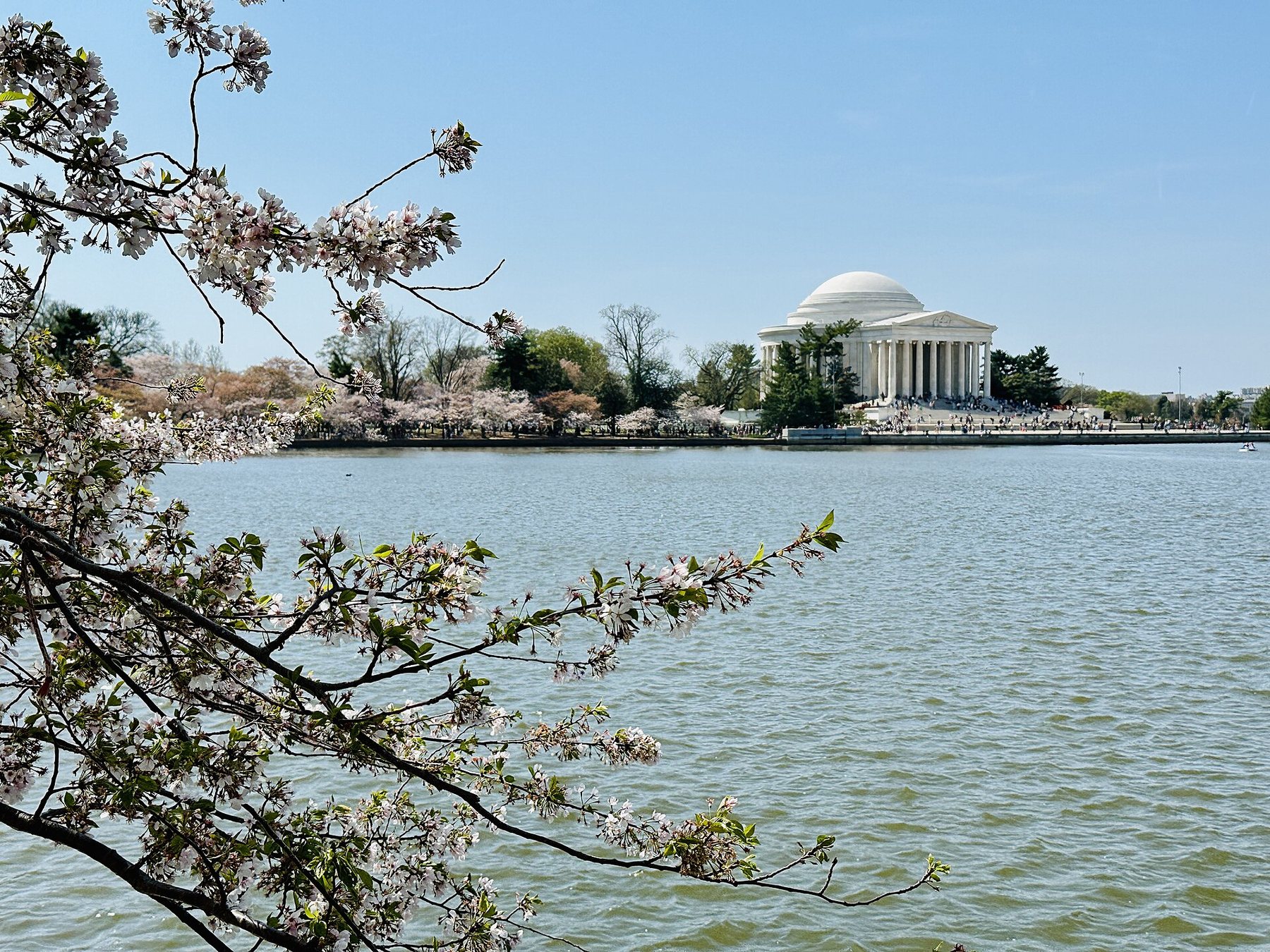
Federal income tax is the second subject. The IRS's Topic no. 415 explains that a home is treated as a residence for tax purposes when the owner's personal use exceeds the greater of 14 days or 10 percent of the days it is rented at a fair price, and that a home used as a residence and rented fewer than 15 days has no reportable rental income and no rental deductions. Rental income and expenses generally go on Schedule E. Separately, the IRS says a payment app or online marketplace must send a Form 1099-K when payments for goods or services exceed $20,000 across more than 200 transactions, that a host may receive one for less, and that all income is reportable whatever the form shows.
The third subject is price. The Federal Trade Commission's Rule on Unfair or Deceptive Fees has applied since May 12, 2025 to businesses that offer, display or advertise short-term lodging, and the FTC's frequently asked questions list vacation rentals and home shares offered through platforms. A covered business must show the total price with mandatory charges included, more prominently than other pricing information except the final amount of payment. The FAQ's example is a cleaning fee that a guest must pay on top of the nightly rate. It does not single out one-property hosts.
What state statutes do
State legislatures act in two main ways. Some write a statute that tells cities how far they may go in regulating short-term rentals, and some write the tax law that decides who collects lodging tax and at what rate. Six examples show the range, drawn from the statute text, a state agency's own page or, for Tennessee, a state university advisory service's summary of the statute.
Arizona's A.R.S. 9-500.39 opens with the sentence that settles the first question: “A city or town may not prohibit vacation rentals or short-term rentals.” It then lists what a city or town may still do: enforce fire, building, health and sanitation rules when the primary purpose is public health and safety, apply zoning and nuisance ordinances the same way it applies them to other property, require emergency contact information, a local permit or license, notice to adjacent neighbors before the first rental and the permit number in each advertisement, and require liability insurance of at least $500,000 or listing through a marketplace that provides equal or greater coverage. A permit fee may not exceed the actual cost of issuing it or $250, whichever is less, and a city must decide an application within seven business days.
Florida's section 509.032(7)(b) reads: “A local law, ordinance, or regulation may not prohibit vacation rentals or regulate the duration or frequency of rental of vacation rentals.” The next sentence says the paragraph does not apply to a local law, ordinance or regulation adopted on or before June 1, 2011, so older local rules stand. The paragraph's words cover prohibition and the duration or frequency of rental. It is silent on other subjects, and how far it reaches on those is a question for a lawyer.

Texas offers a clear example of the tax side. As of October 2026, the Comptroller's hotel occupancy tax page, citing Chapter 156 of the Tax Code, sets the state rate at 6 percent of the cost of a room and says the tax applies to bed and breakfasts, condominiums, apartments and houses, not only hotels. Cities and certain counties may add local hotel taxes under separate chapters. The permit and zoning example for Texas in this article is Austin's city ordinance, covered below.
Tennessee's Short-Term Rental Unit Act, Public Chapter 972 of 2018, limits what a city may do to a unit that is already operating. In the University of Tennessee's Municipal Technical Advisory Service summary, a later ordinance that prohibits or regulates short-term rental use does not apply to property already used that way, and “used as a short-term rental unit” is a defined term tied to a city permit or approval where one was required and otherwise to remitted state taxes. The rules in place when the use began govern until the property is sold or transferred, goes 30 continuous months without being used as a short-term rental, or is in violation of generally applicable local laws three or more separate times. The Act also lets a city create a permit or application process and lets condominiums, co-ops and homeowners associations restrict short-term rental use. The protection attaches to property already in use, so a home that starts renting later falls under the rules then in force.
Hawaii's example is a tax law, described here from the Department of Taxation's own publications. Its Tax Facts publication says the transient accommodations tax applies to a room, apartment, house, condominium or similar accommodation rented to a transient for fewer than 180 consecutive days, and that it is levied on the operator. Announcement 2025-03 reports that Act 96 of 2025 raised the rate from 10.25 percent, the rate Tax Facts printed in its May 2025 revision, to 11.00 percent for rent received on or after January 1, 2026, under the cash method the Department presumes. Operators also pay the general excise tax of 4 percent plus a 0.5 percent county surcharge. In Honolulu, the zoning and registration rules come from the city and county's own ordinances.
New York's Multiple Dwelling Law, section 4(8), is a building-use statute. A Class A multiple dwelling is one used for permanent residence, and the statute defines permanent residence as occupancy by the same person or family for thirty consecutive days or more, with allowances for house guests living in the household and for unpaid occasional occupancy while the permanent occupants are away. New York City's registration law, described below, leaves that state rule in place.
Cities and states each give their reasons in their own documents. City pages state them plainly: Honolulu's Department of Planning and Permitting says its zoning limit exists to “preserve housing for long-term residents,” and Austin describes its aim as safe structures that fit with their surroundings. State preemption statutes protect, by their text, the ability to rent, and Arizona's names the safety, zoning and nuisance rules that stay with the city.
| State | Provision | What it does | What it leaves alone |
|---|---|---|---|
| Arizona | A.R.S. 9-500.39 | Bars cities and towns from prohibiting short-term rentals; allows a permit (fee capped at actual cost or $250, whichever is less), a posted permit number, emergency contact and $500,000 liability coverage | Health and safety rules, and zoning and nuisance rules applied the same way as to other property |
| Florida | Fla. Stat. 509.032(7)(b) | Bars local rules that prohibit vacation rentals or regulate their duration or frequency | Local rules adopted on or before June 1, 2011; subjects the paragraph does not mention |
| Texas | Tax Code ch. 156, per the Comptroller | Applies the state hotel occupancy tax, 6 percent of the cost of a room, to houses and condominiums as well as hotels | Permits and zoning, which in this article's Austin example come from a city ordinance; local hotel taxes under other chapters |
| Tennessee | Short-Term Rental Unit Act (Public Chapter 972 of 2018), per MTAS | Lets a unit already operating keep the rules in place when it began, until sale, 30 continuous months without use, or three or more violations | Homes that start renting later; association, lease and covenant restrictions |
| Hawaii | Transient accommodations tax, Hawaii Department of Taxation | Taxes gross rental proceeds of stays under 180 consecutive days at 11.00 percent from January 1, 2026, levied on the operator | Zoning and registration, which in Honolulu come from city and county ordinances |
| New York | Multiple Dwelling Law 4(8) | Ties Class A multiple dwellings to permanent residence, defined as occupancy of thirty consecutive days or more | City registration, which New York City's Local Law 18 adds on top |
Summaries are of the provisions named, not of every law in the state.
Source: Arizona Legislature; Florida Legislature; Texas Comptroller; University of Tennessee MTAS; Hawaii Department of Taxation; New York State Senate, read 12 October 2026
County and city ordinances
Most of what a host does day to day is set here. An ordinance is a local law passed by a city council or county board, and short-term-rental ordinances tend to cover the same handful of subjects. The examples below come from four programs, read from each city's own pages: New York City, Los Angeles, Austin and Honolulu.
Permits and registration numbers come first. The Los Angeles ordinance says a host may not participate in home-sharing unless every advertisement lists the city-issued registration number or a pending-registration number. New York City requires hosts to register with the Mayor's Office of Special Enforcement and prohibits booking platforms from processing transactions for unregistered rentals, with exemptions for rentals of 30 consecutive days or more and for approved Class B multiple dwellings. Austin requires every short-term rental owner or operator in the city to be licensed through Development Services Code Compliance, and Honolulu's Department of Planning and Permitting says a short-term rental must be registered to be in compliance with the law.
Minimum stays and owner presence come next, and in these programs they hinge on 30 days. Austin and Honolulu both define a short-term rental as a stay of less than 30 consecutive days. The Office of Special Enforcement's tips for hosts say that a host, whether owner or tenant, “cannot rent out an entire apartment or home to visitors for fewer than 30 days,” and that short stays are lawful only when the host is staying in the same unit and no more than two guests are staying with the host. Los Angeles takes a primary-residence route: the home must be the one where the host lives for more than six months of the year.
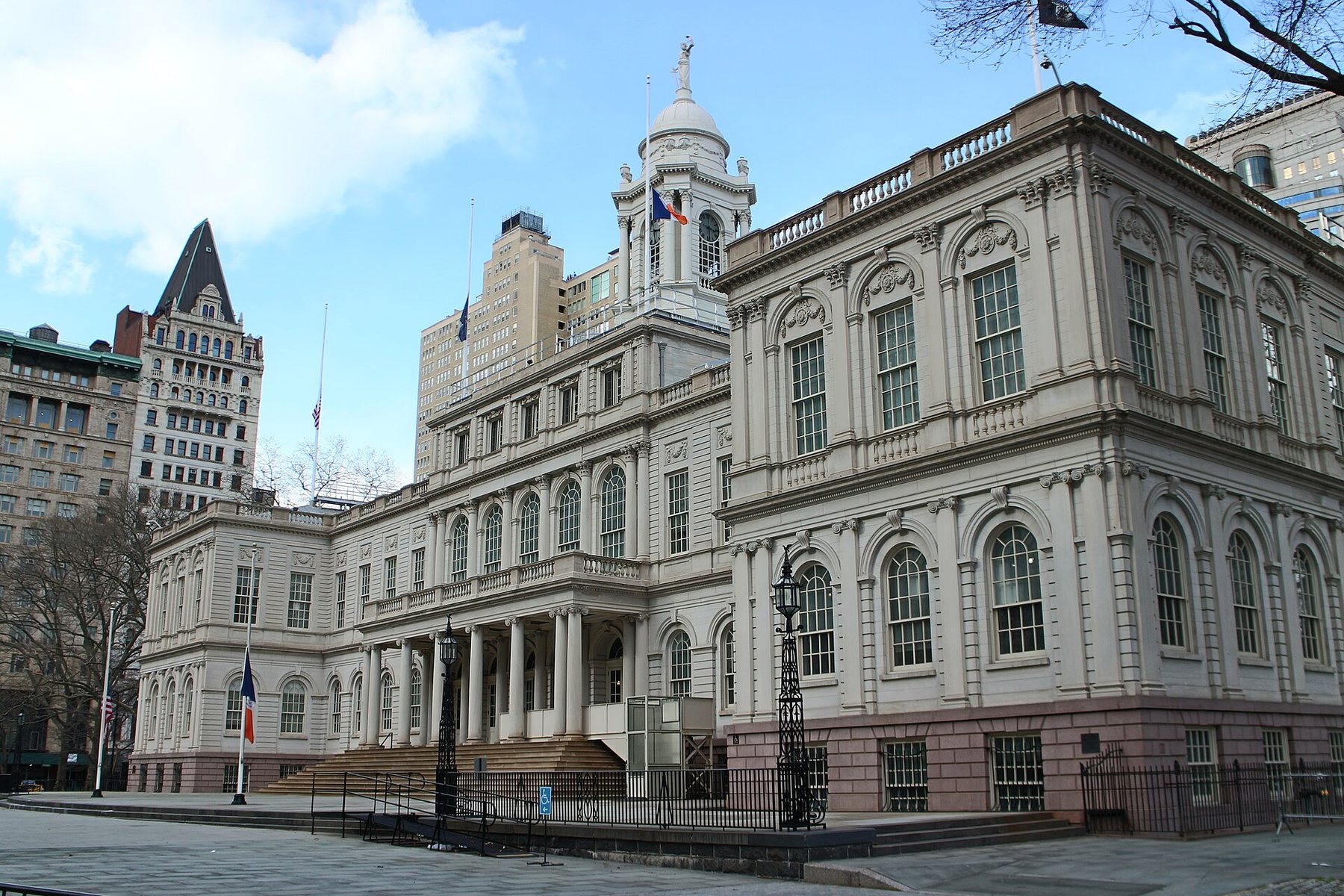
Caps take several shapes. Los Angeles limits home-sharing to 120 days in a calendar year unless the city has approved extended home-sharing. Austin's rules, as changed in October 2025, let an individual operate up to two units on a single-family site and further units elsewhere if they are at least 1,000 feet apart, and on a multifamily site the greater of one unit or 10 percent of the units.
Zoning decides where a short-term rental may exist at all. Honolulu's page says short-term rentals are permitted only in resort-zoned areas and a couple of specific apartment-zoned areas. It separates bed and breakfast homes, where the homeowner or permanent resident is present and no more than two rooms are rented, from transient vacation units, which are whole-home rentals. Both are limited to two adult transient occupants per room. Austin took a different step in February 2025, when its council made short-term rentals an accessory use to residential uses in all zoning districts for properties with a valid license.
Neighbors and daily operations are the everyday part. Austin sends notice of the local contact's information to every property within 100 feet when a license is issued or renewed, requires an operator who does not live in the Austin metro area to name a local contact who is present there and can respond within two hours, and requires an information packet for renters that covers noise limits, parking restrictions, trash collection, burn bans and water restrictions. Its code bars sound equipment that produces more than 75 decibels at the property line from 10 a.m. to 10 p.m. and sound equipment audible beyond the line from 10 p.m. to 10 a.m.
Worth knowing
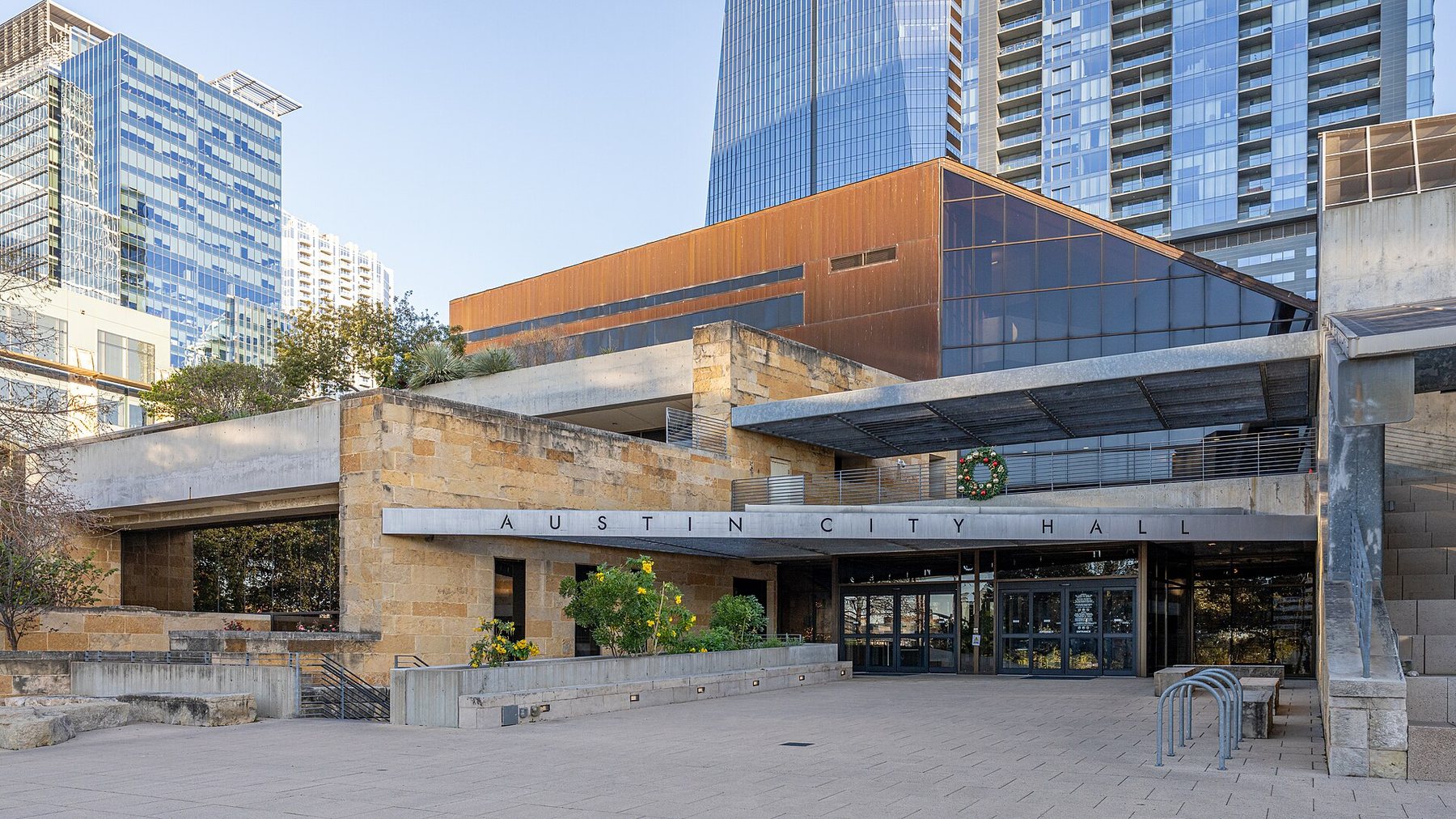
Austin's page separates three jurisdictions. A short-term rental in the limited-purpose jurisdiction must be licensed but does not pay the city's hotel occupancy tax, and one in the extraterritorial jurisdiction needs no city license and pays no local hotel occupancy tax. The city offers a jurisdiction map showing which one applies to an address.
Penalties sit in the ordinance. The Los Angeles text sets a daily fine of $500, or two times the nightly rate if that is greater, for advertising a rental in violation, and $2,000 or two times the nightly rate for each day of home-sharing beyond the 120-day limit without extended approval. It sets a $1,000 daily fine for a platform that completes a booking for a listing without a valid registration number, and it provides for annual updates by the Consumer Price Index, so amounts in force now may differ from these 2018 figures.
Grandfathering softens a tightening rule. Honolulu's page says short-term rentals that have operated since before October 22, 1986, and were issued a nonconforming use certificate, must renew the certificate every year, and that new certificates are not being issued. Tennessee's legacy rule and Florida's June 1, 2011 date, described above, do similar work at the state level.
| Subject | Example | City |
|---|---|---|
| Registration or permit | Hosts register with the Mayor's Office of Special Enforcement; platforms may not process unregistered transactions | New York City |
| Number in advertisements | Every advertisement lists the registration number or a pending-registration number | Los Angeles |
| Where allowed | Resort-zoned areas and a couple of specific apartment-zoned areas | Honolulu |
| Host presence or residence | The host stays in the same unit with no more than two guests; or the home is the host's primary residence, lived in more than six months a year | New York City; Los Angeles |
| Cap on use | 120 days in a calendar year unless extended home-sharing is approved | Los Angeles |
| Density | Up to two units on a single-family site; further units at least 1,000 feet apart; on multifamily sites the greater of one unit or 10 percent | Austin |
| Occupancy | Two adult transient occupants per room | Honolulu |
| Neighbor notice and contact | Notice to properties within 100 feet; for operators living outside the metro area, a local contact able to respond within two hours | Austin |
| Penalties | A daily fine of $500, or two times the nightly rate if greater, for advertising in violation | Los Angeles |
| Grandfathering | Certificates for rentals operating since before October 22, 1986, renewed each year; no new certificates | Honolulu |
Figures are as printed on the city pages and ordinance text, read 12 October 2026, and can change. The Los Angeles fine is the amount adopted in 2018, which the ordinance updates each year.
Source: NYC Mayor's Office of Special Enforcement; Los Angeles City Planning; City of Austin; City and County of Honolulu DPP, read 12 October 2026
Private rules from associations, landlords, lenders and insurers
Private agreements sit beside public law and can be stricter than it. A city permit does not waive an association's covenant, a condominium declaration, a lease or a loan term.
Associations come first. In the Tennessee summary, the state's Act expressly allows a condominium, co-op, homeowners association or similar entity to prohibit or restrict short-term rental use, and allows a landlord to do the same through a lease and a property owner through a restrictive covenant. Florida's condominium statute speaks to timing. Under section 718.110(13), an amendment that prohibits unit owners from renting, alters the rental term or limits how many times units may be rented applies only to owners who consent and to owners who acquire title after the amendment takes effect. That paragraph addresses amendments and does not describe what an original declaration may say, so a buyer reads the declaration itself.
Leases and landlords matter for tenants who host. Los Angeles requires a host who rents to have the landlord's prior written approval and to file a copy with the application. Austin has allowed tenants to operate with the landlord's permission since October 2025. New York City's Prohibited Buildings list includes buildings where leases and occupancy agreements bar short-term rentals, and the Office of Special Enforcement notifies landlords when a tenant applies.
Lenders write occupancy terms into the loan. Fannie Mae's Selling Guide describes a second home as a property the borrower occupies for some portion of the year, with exclusive control, that is not a rental property or timeshare and is not subject to an agreement giving a management firm control over occupancy. A loan secured by a home with rental income can still be delivered as a second home when that income is not used to qualify and the other requirements are met. An investment property is one the borrower owns but does not occupy. Other lenders set their own terms, and the loan documents say which category applies.
Insurers set coverage by policy. Airbnb's responsible-hosting page says its AirCover for Hosts does not take the place of homeowner's insurance, renter's insurance or adequate liability coverage, and that not all insurance plans cover damage caused by a guest who books. Some public rules touch the same point: Arizona lets a city require liability coverage of at least $500,000, while Austin no longer requires proof of insurance from new applicants or renewals. The policy is the document that answers whether short-term guests are covered.
Lodging and sales taxes, and who collects them
Lodging tax is the layer with the most moving parts, because one night can carry a state tax, a county tax and a city tax, and each government names its tax differently. Texas calls it the hotel occupancy tax, Arizona the transaction privilege tax, Hawaii the transient accommodations tax, and Florida pairs a state sales tax with a county tourist development tax.
Who collects depends on the state and the booking. In Florida, the Department of Revenue's brochure, revised October 2025, says the 6 percent state sales tax, plus any discretionary sales surtax, applies to rental periods of six months or less, that anyone who rents transient accommodations must register with the Department to collect and remit, and that each place of business is registered separately. Most counties administer their own transient rental tax, so a Florida host may file with the state and with the county. In Arizona, A.R.S. 42-5042 says an online lodging operator may not offer or rent a lodging accommodation without a current transaction privilege tax license, must list the license number on each advertisement, and faces a civil penalty of $250 for a first offense and $1,000 afterward. Section 42-5070 defines a transient as a person who obtains lodging on a daily or weekly basis, or on any other basis for fewer than thirty consecutive days.
In Texas, the Comptroller says persons leasing houses must collect the tax from their customers in the same way a hotel does, and that property management companies, online travel companies and other third-party rental companies may also be responsible. In Hawaii, Tax Facts adds that mandatory cleaning, maintenance and management fees count as gross rental proceeds.
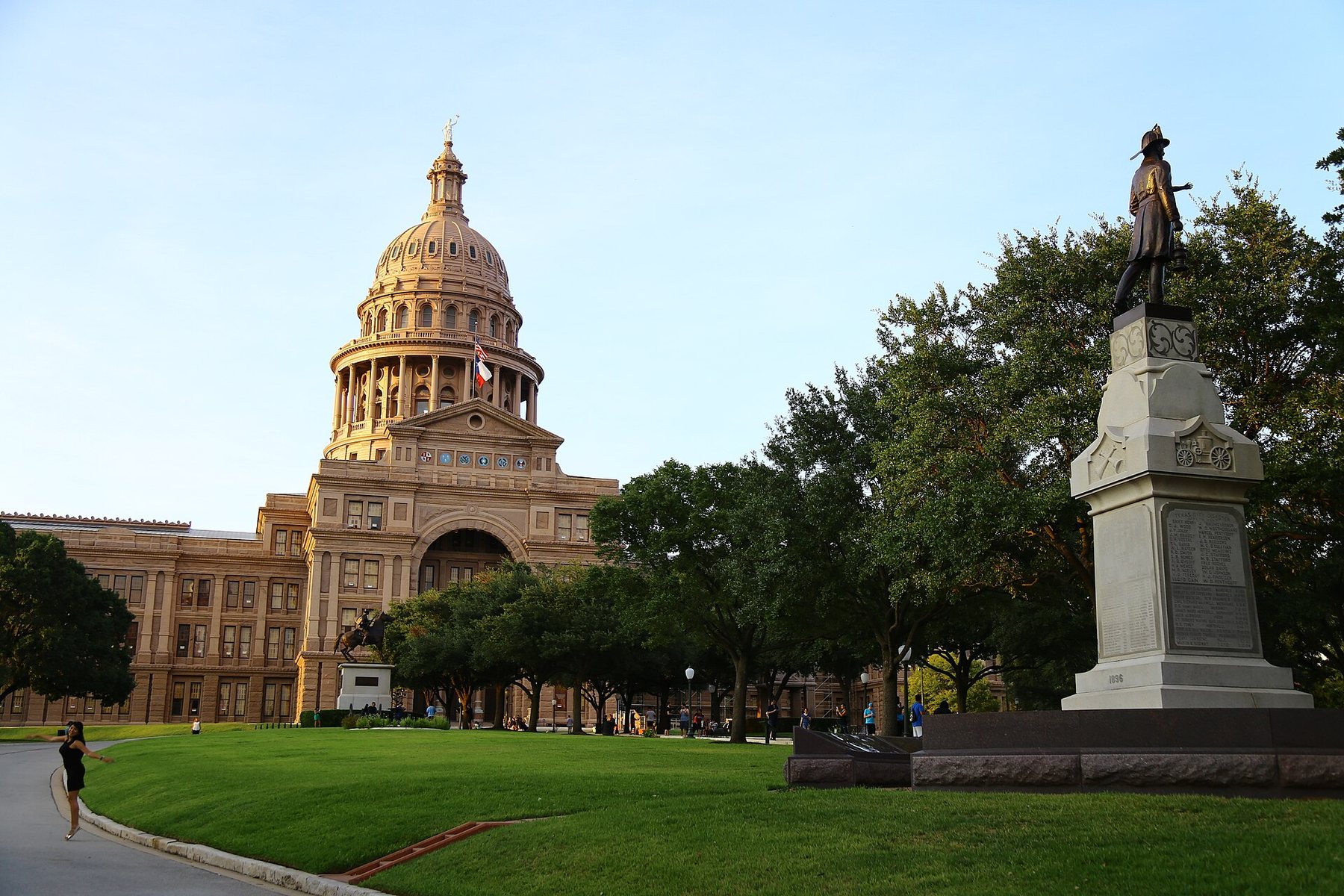
Platforms collect in some places and not others. Austin's page says that since April 1, 2025, booking platforms must collect the city's hotel occupancy tax on the owner's behalf, while owners still file a quarterly report and collect and remit tax on bookings made outside a platform. Airbnb's page says that where it has agreements with governments or is required by law, it calculates the tax, collects it from guests at booking and remits it to the authority. Vrbo says it does the same where it is liable, and that the owner remains responsible when it is not, for example for a booking made before collection began, a booking not made through its online system, or one that arrived through external software. By accepting bookings, an owner agrees to be registered as a taxpayer and to remit any tax Vrbo sends over.
What the booking platforms require
Platforms are not regulators. Vrbo's help page tells owners that complying with local regulations is their responsibility, and Airbnb's says it does not provide legal advice. What the platforms do is give local rules a place inside the listing.
On Airbnb, a host adds a registration or permit number from the dashboard under the Regulations tab. Airbnb's page on software-connected listings says that in some cities a listing is not published until the host completes registration for that listing, either by entering existing registration or exemption details or by submitting an application to the city through Airbnb. A guest may see a listing marked “City registration pending” or “Exempt” in place of a number, and Airbnb tells guests that a missing number does not by itself mean the host is out of compliance.
On Vrbo, the number goes in a dedicated field under Local laws in the owner's account, and Vrbo recommends the field over placing the number in the property description. Where registration is mandatory, the registration form shows as incomplete and the listing cannot go live until the information is added. Vrbo adds that laws in certain areas require the number on any advertisement, and that a host who does not display it may be subject to fines depending on the location.
Cities write the platform's duties into ordinance. The Los Angeles text bars a platform from processing a booking for a person without a registration number or pending number, and requires monthly reports to City Planning with each listing's registration number, the responsible person's name, the street address and the days booked for each booking, subject to applicable laws. It also requires hosts to authorize the platform to provide the listing information. New York City's Office of Special Enforcement says it worked with booking services to build the verification software and that platforms must stop processing transactions that are unregistered. Austin's platform regulations, in effect since July 1, 2026, require a license display field and removal of unlicensed listings at the city's request.
How enforcement works
In the programs read for this article, enforcement often begins with a complaint or a platform check, and a notice is a common first step. The Office of Special Enforcement describes New York City's approach as prevention and education: platforms verify a registration before processing a booking, and applicants get feedback on whether their listing is legal during the registration process. Field inspections have been based on complaints, and the office says it may also inspect when a listing is observed offering an illegal rental. In 2025 the office began sending warning notices to registered hosts whose listings offered illegal occupancy, naming possible consequences of inspection, summonses, revocation and denial of renewal. Its page said renewal applications were expected to begin in October 2026.
Other programs use similar channels. Austin takes violation reports through 3-1-1. Honolulu takes a Request for Investigation and publishes a compliance map of registered properties that have received a notice of violation or order. In Los Angeles, the fact sheet says an initial notice of violation comes first for a listing without a registration number, and the ordinance lets the city issue administrative citations through its enforcement program.
State law can set the ceiling. Arizona's statute provides civil penalties of up to $500 or one night's advertised rent, whichever is greater, for a first verified violation, up to $1,000 or two nights' rent for a second, and up to $3,500 or three nights' rent for a third or later one. It lets a city suspend a permit for up to twelve months after three verified violations in twelve months, defines a verified violation as a finding of guilt or civil responsibility that has been finally adjudicated, and requires a reasonable attempt to notify an owner who gave contact information within seven business days after a citation. Tennessee's Act lets a municipality prohibit continued use after three or more violations of generally applicable local laws once the provider has no appeal rights remaining, and lets a provider challenge a prohibition in court.
How rules change and how to keep track
Rules change in three ways: a city council amends an ordinance, a legislature amends a statute, or an agency changes a rate or a deadline. Honolulu's page cites its Land Use Ordinance as amended by four later ordinances, numbered 22-7, 24-14, 25-2 and 25-52, and a fifth, 22-6, that requires sellers to give buyers a short-term rental disclosure form. Austin's page describes changes adopted in February 2025, changes that took effect in October 2025 and platform rules that took effect on July 1, 2026. Hawaii's transient accommodations tax rate changed on January 1, 2026.

Dates deserve attention, because a rule has more than one. Los Angeles adopted its ordinance on December 11, 2018, made it effective on July 1, 2019 and began enforcement on November 1, 2019, according to the Planning department's fact sheet. New York City adopted Local Law 18 on January 9, 2022, and its Office of Special Enforcement says its initial phase of enforcement began on September 5, 2023. Honolulu's page, read on 12 October 2026, says renewals of nonconforming use certificates moved to its online permitting portal on August 1, 2026, and that applications not approved by October 15, 2026 will result in the certificate's automatic expiration.
The place to watch is the council's own website. Honolulu's City Council page offers meeting materials and agendas, a legislation search, an archive and a way to submit testimony, and a host can look for the same items on the site of their own council or board. For state law, the legislature's website carries the statute with its history: the Florida page for section 509.032 shows the 2026 Florida Statutes and lists the session laws that amended the section, the latest being chapter 2016-86. Agency pages carry revision dates too, such as the May 2025 revision of Hawaii's Tax Facts.
What to do with this
Where to look first, in the order that usually saves the most time:
- Write down the exact address and the jurisdiction it sits in. Some cities, as Austin's page shows, treat full-purpose, limited-purpose and extraterritorial areas differently, so use the city's or county's own map or ask its planning office.
- Find the city or county's short-term-rental program page, then open the code section it cites. Look for the definition of a short stay, any permit or registration number, caps, zoning and the penalty schedule.
- Find the state revenue department's page on lodging or sales tax, register if the state requires it, and read each platform's help page on tax collection to see which taxes it collects and which stay with you.
- Read the association declaration, the lease, the loan documents and the insurance policy for any limit on renting by the night.
- If the city requires a registration or permit number, enter it in the field on each platform and keep the document that shows it.
- Follow the council or board agenda and the state bill tracker, and note the date on every page you rely on.
Each layer answers a different question: what the nation requires of every host, what the state lets a city do, what the city asks of one address, and what the neighbors, the lender and the insurer agreed to in writing. This article is general information, not legal, tax or financial advice, and a host should confirm requirements with the city, the state agency or a qualified professional.
Common questions
Is there a national short-term-rental law?
No. The federal rules that reach every host cover anti-discrimination law, income tax reporting and how prices are displayed. In the sources read for this article, permits, caps and zoning come from states and localities.
Can a state stop a city from banning short-term rentals?
Some do. Arizona's A.R.S. 9-500.39 says a city or town may not prohibit them, Florida's section 509.032(7)(b) bars local prohibition except for rules adopted on or before June 1, 2011, and Tennessee protects units already operating. Each statute has its own limits, so the answer depends on the state and the address.
Who collects lodging tax on a booking made through a platform?
It depends on the place. Austin says booking platforms must collect its hotel occupancy tax, and Airbnb and Vrbo each say they collect where an agreement or a law requires it. Where they do not, the host collects and remits, and Arizona and Florida also expect the host to be registered.
Do I have to report short-term rental income if I get no Form 1099-K?
Generally yes. The IRS says that no matter what a form reports, a person who receives payments for goods or services must report all income on the tax return. Topic no. 415 makes one exception: a dwelling used as a residence and rented fewer than 15 days has no reportable rental income.
Does a city permit override my homeowners association?
Not by itself. Airbnb's responsible-hosting page tells hosts to check association or co-op rules and the lease, and Tennessee's Act expressly lets associations restrict short-term rental use. A permit answers the city's question, and the declaration answers the association's.
Sources
- U.S. Department of Justice, Civil Rights Division, The Fair Housing Act (Updated 22 June 2023; read 12 October 2026).
- Cornell Law School, Legal Information Institute, 42 U.S. Code 3603, Effective dates of certain prohibitions (Read 12 October 2026).
- Cornell Law School, Legal Information Institute, 42 U.S. Code 2000a, Prohibition against discrimination or segregation in places of public accommodation (Read 12 October 2026).
- Cornell Law School, Legal Information Institute, 42 U.S. Code 12181, Definitions (Read 12 October 2026).
- Internal Revenue Service, Topic no. 415, Renting residential and vacation property (Read 12 October 2026).
- Internal Revenue Service, Understanding your Form 1099-K (Read 12 October 2026).
- Federal Trade Commission, The Rule on Unfair or Deceptive Fees: Frequently Asked Questions (May 2025; read 12 October 2026).
- Arizona Legislature, A.R.S. 9-500.39, Limits on regulation of vacation rentals and short-term rentals; state preemption; civil penalties; transaction privilege tax license suspension; definitions (Read 12 October 2026).
- Arizona Legislature, A.R.S. 42-5042, Online lodging operators; requirements; civil penalty; definitions (Read 12 October 2026).
- Arizona Legislature, A.R.S. 42-5070, Transient lodging classification; definition (Read 12 October 2026).
- The Florida Legislature, Florida Statutes 509.032, Duties (2026 Florida Statutes) (Read 12 October 2026).
- The Florida Legislature, Florida Statutes 718.110, Amendment of declaration; correction of error or omission in declaration by circuit court (Read 12 October 2026).
- Florida Department of Revenue, Sales and Use Tax on Rental of Living or Sleeping Accommodations (GT-800034, revised 10/25) (Revised October 2025; read 12 October 2026).
- Texas Comptroller of Public Accounts, Hotel Occupancy Tax (Read 12 October 2026).
- University of Tennessee, Municipal Technical Advisory Service, Summary of the Short-Term Rental Unit Act (Reviewed 9 July 2026; read 12 October 2026).
- State of Hawaii Department of Taxation, Tax Facts 96-2, Transient Accommodations Tax (Revised May 2025; read 12 October 2026).
- State of Hawaii Department of Taxation, Announcement No. 2025-03, Transient Accommodations Tax Law Changes from 2025 Legislative Session (9 June 2025; read 12 October 2026).
- New York State Senate, New York Multiple Dwelling Law, Section 4 (Read 12 October 2026).
- New York City Mayor's Office of Special Enforcement, Registration Law (Read 12 October 2026).
- New York City Mayor's Office of Special Enforcement, Tips for Hosting a Legal Short-term Rental (Read 12 October 2026).
- New York City Mayor's Office of Special Enforcement, Registration Law: Enforcement (Read 12 October 2026).
- Los Angeles City Planning, Home-Sharing Ordinance: Background and FAQs (fact sheet) (Read 12 October 2026).
- Los Angeles City Planning, Home-Sharing Ordinance, adopted text (Read 12 October 2026).
- City of Austin, Austin Development Services, Short-Term Rentals (Read 12 October 2026).
- City and County of Honolulu, Department of Planning and Permitting, Short-Term Rentals (Read 12 October 2026).
- Honolulu City Council, Honolulu City Council home page (Read 12 October 2026).
- Fannie Mae, Selling Guide, B2-1.1-01, Occupancy Types (Version of 5 October 2022; read 12 October 2026).
- Airbnb, Responsible hosting in the United States (help center) (Read 12 October 2026).
- Airbnb, What regulations apply to my city? (help center) (Read 12 October 2026).
- Airbnb, Short Term Rental Regulations (help center) (Read 12 October 2026).
- Airbnb, How regional policies affect listings created through software connections (help center) (Read 12 October 2026).
- Airbnb, “Pending” or “exempt” license or registration numbers on listings (help center) (Read 12 October 2026).
- Airbnb, Areas where tax collection and remittance by Airbnb is available (help center) (Read 12 October 2026).
- Vrbo, About property registration number requirements (help) (Read 12 October 2026).
- Vrbo, Add or update your property registration number (help) (Read 12 October 2026).
- Vrbo, Collection and remittance of taxes and lodging taxes (help) (Read 12 October 2026).
Rules and fees change, so check the source before you act. This is general information, not legal, tax or financial advice.

More guides and features
 Photograph courtesy of Sedona Pickler.Showcase · ShowcaseHow a single house in Sedona takes direct bookingsBy Noelle Pratt · 18 min read
 Photograph by Larry D. Moore on Wikimedia Commons, CC BY 4.0 licenceGuide · Direct BookingHow Direct Booking Works for a US Short-Term-Rental HostBy Owen Barrett · 22 min read
 Photograph by exilexi on Wikimedia Commons, CC BY 4.0 licenceGuide · RulesHow to Find and Read Your City’s Short-Term-Rental RulesBy Grant Whitaker · 21 min read
What readers say