Why the A-frame cabin keeps booking, and what it asks of its host
The A-frame began as a postwar leisure house and now appears on platform wishlists, in magazine galleries and on direct-booking pages. This showcase traces the shape, what it asks of an operator, what public data does and does not show, and four rentals in four regions.
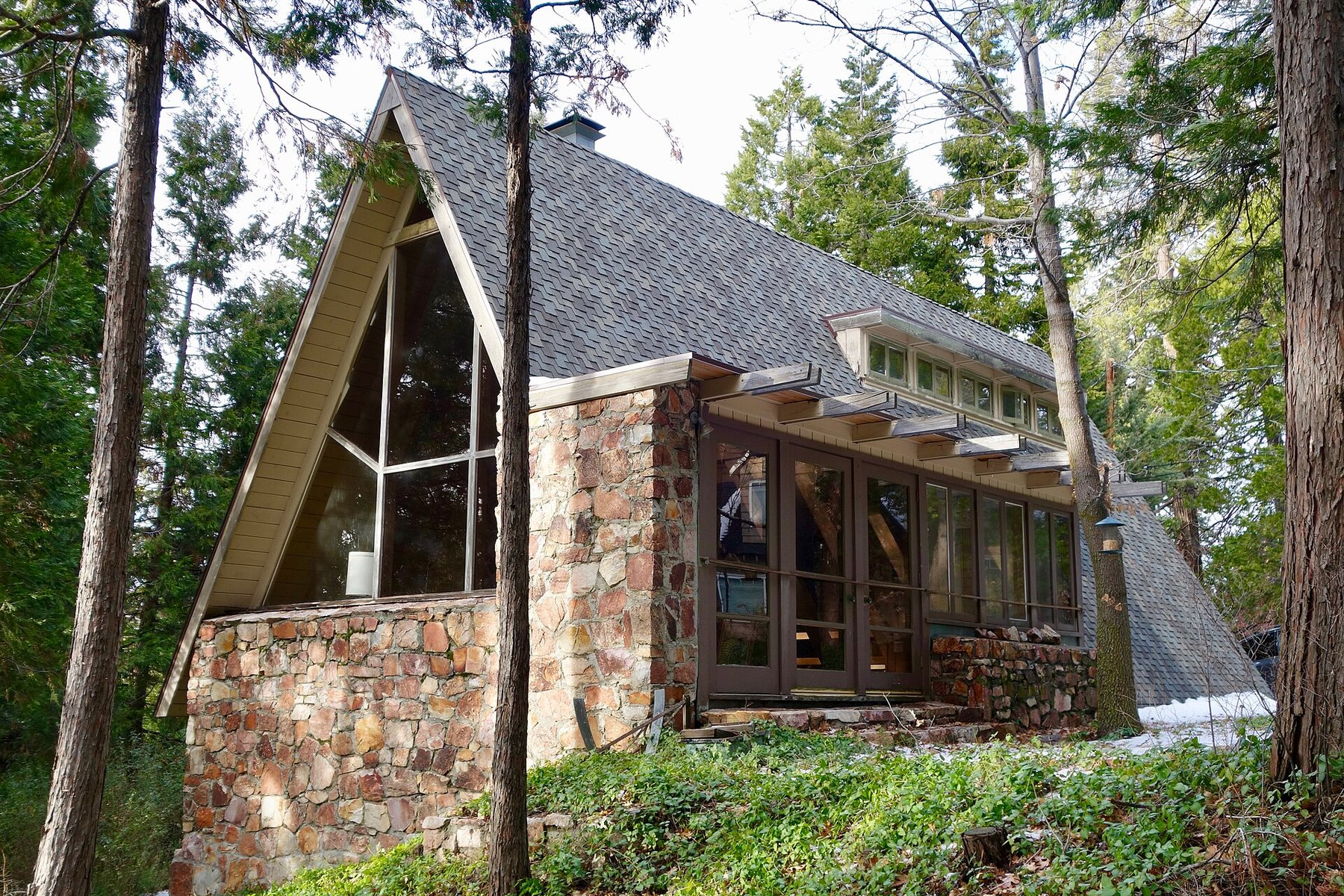
Photo: The Bennati House, Lake Arrowhead, California by Del Dickson, CC BY-SA 4.0, via Wikimedia Commons (resized)
On 9 April 2026, Airbnb's newsroom published a list of its most wishlisted listings, one for each state and the District of Columbia. Three of the 51 entries have “A-Frame” or “A Frame” in their names: one in Minnesota, one in Montana and one in Utah. The introduction to the Western states says travelers are trading city noise for A-frames near national parks.
A list that one platform chose for itself says little about how often an A-frame books. It is still a fair place to start: the shape has a long record in American building, clear strengths on a booking page and a short list of costs that a buyer can learn before signing anything. This showcase follows the shape from its first builders to four rentals in four regions, and it spends most of its length on what any host can check or borrow.
The four rentals are described from their own public pages and from press coverage. The story makes no statement about whether any of them meets the rules of its place, and the sources are listed at the end.
Where the A-frame came from in American building
The form is old and plain. Washington State's preservation agency, in its architectural style guide, says the triangle had long served as a shelter and a farm building before anyone in the United States chose to live in one. That changed when architects began to draw it as a house.
The guide traces the first widely published American example to a cabin that the architect R. M. Schindler designed at Lake Arrowhead, California, and calls it widely publicized but ahead of its time. Sources disagree on the year. The University of Washington's Pacific Coast Architecture Database records Schindler's earliest sketch for the Bennati summer house as September 1934, with construction between 1934 and 1937, and describes an A-frame on a base of ashlar masonry. The preservation agency says 1936. The photograph at the top of this story shows the house in December 2018.
The boom came after the war. The agency ties the early-1950s rise to an economic expansion that put vacation homes within reach of a growing middle class, and says the A-frame was sold as an affordable weekend retreat from city life. Two houses did much of the early work. John Campbell's “Leisure House” was, in the agency's account, built in 1951 for the San Francisco Arts Festival and then appeared in brochures, magazine articles and plan books for about 20 years. Other accounts date it between 1950 and 1953. Andrew Geller's Reese house at Sagaponack, New York, drawn in 1955 for Elizabeth Reese, a public relations director at Raymond Loewy Associates, is an A-frame that Field Mag says the New York Times published to much acclaim. The Paul Rudolph Institute's project record puts her budget at $5,000 and the design at $7,000 furnished, not counting land, dates the Times feature to 5 May 1957, and records that a storm destroyed the house in March 1962.
The building industry noticed. In 1957, the preservation guide says, the Douglas Fir Plywood Association heard of an A-frame cabin that David Hellyer, a pediatrician and amateur builder, was designing on Henderson Inlet in Olympia. The association gave him plywood in exchange for his plans, photographed the cabin as it went up, and within a few months had filled more than 12,000 orders for working drawings.
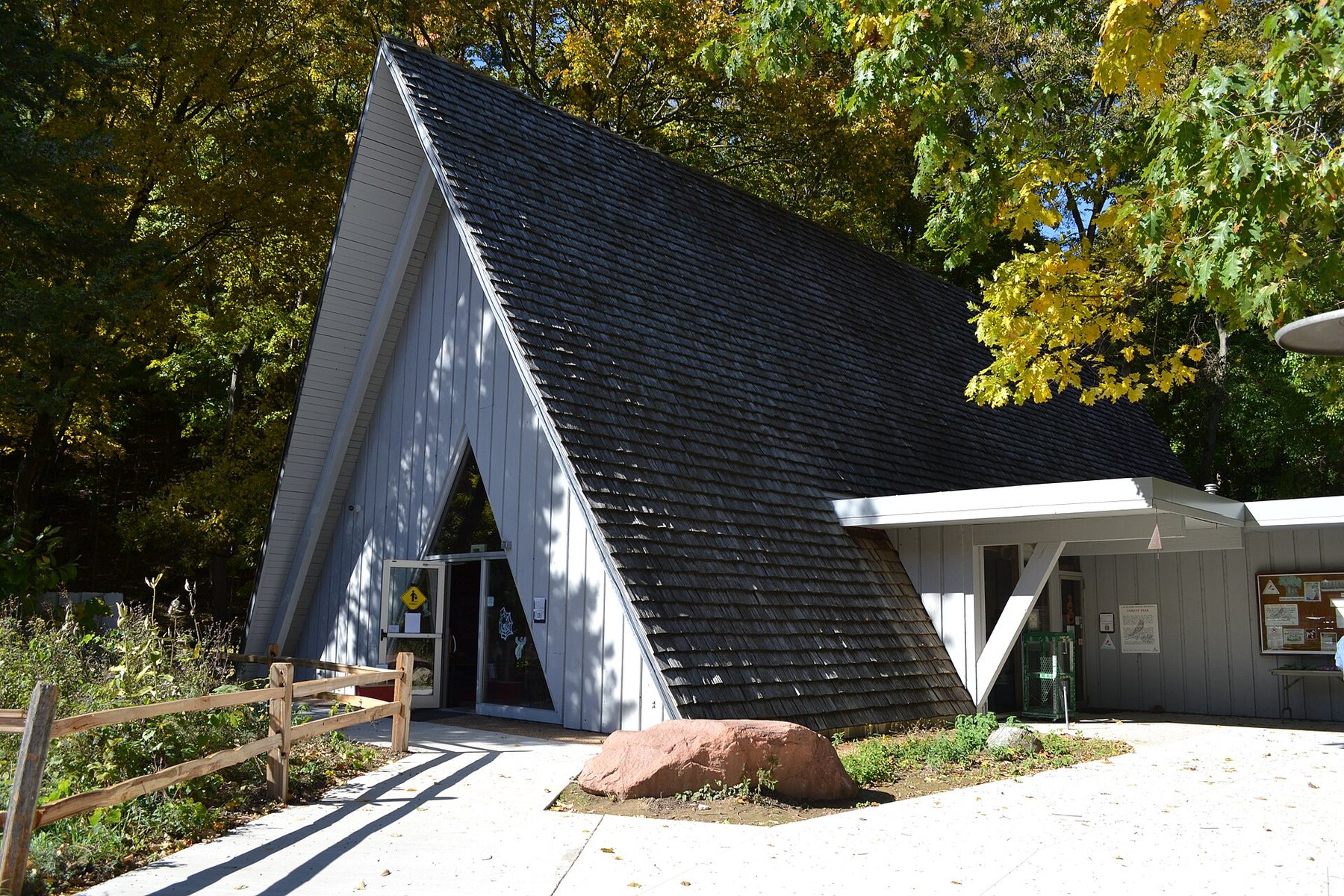
The houses were small and cheap by the standards of the day. The agency reports that the designs ran 600 to 1,000 square feet and, reportedly, cost about $10 per square foot to build, with a roof sloped at about 60 degrees and running to the ground, living space below and a sleeping loft above, often with a balcony in the gable. Its list of Washington examples shows how far the form traveled: churches, a car dealership, a restaurant and a resort lodge as well as cabins.
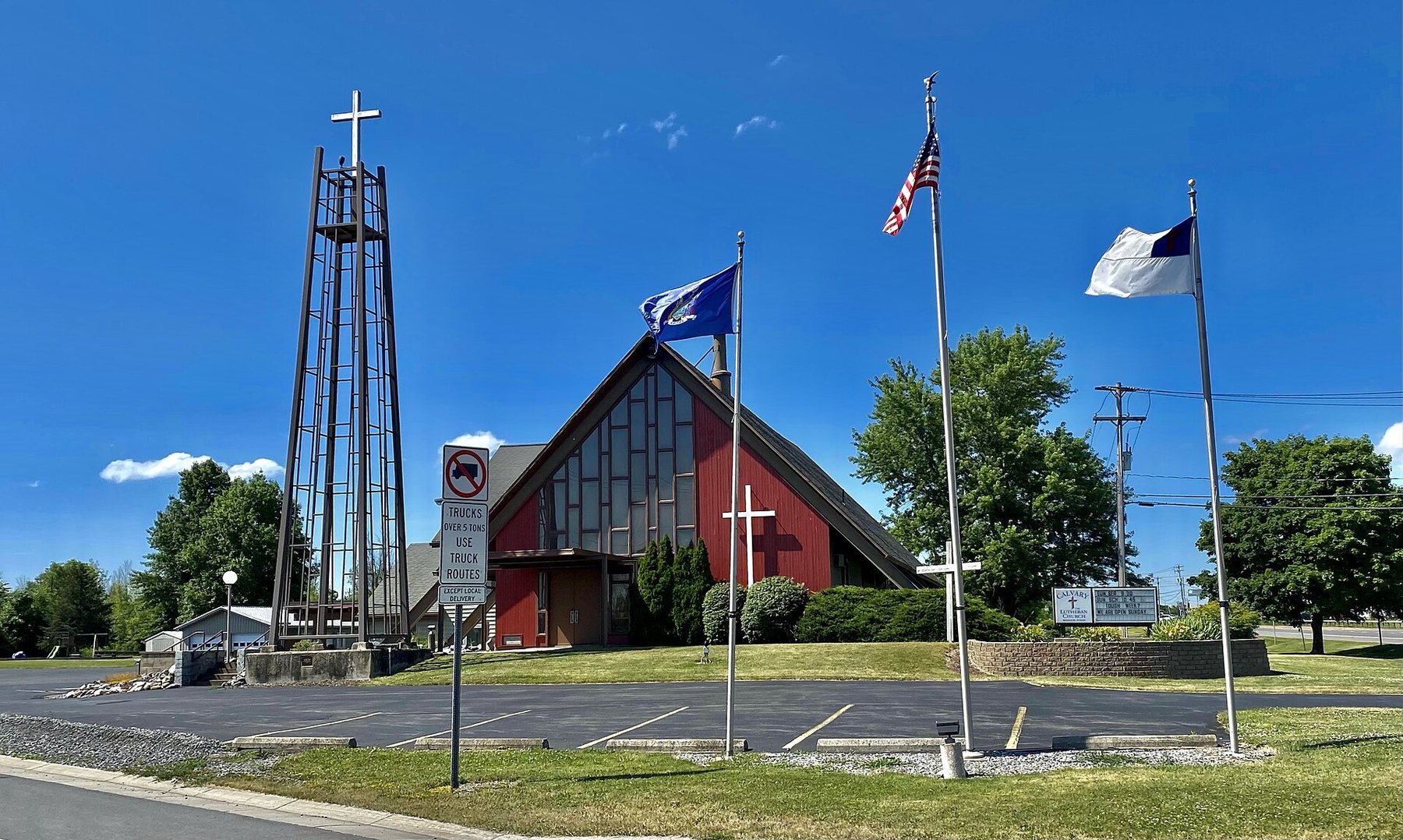
Fashion moved on. The agency says people came to see awkward unusable space and too little side light, and that the form waned in the 1970s while still appearing in plan books into the 1990s. Field Mag, in a history published in July 2020 and updated in July 2023, says that by the mid-1970s mass-produced A-frames had come to look tacky and that new construction essentially halted in the 1980s and 1990s. It ties the return to the years after the 2007 to 2009 housing crash, to Zach Klein's Cabin Porn site and to Instagram accounts devoted to the shape. The University of Oregon's College of Design reported in July 2020 that a second edition of Chad Randl's book A-Frame had come out that June, and relayed Randl's remark that interest had moved from design and preservation circles into the mainstream.
Why the shape works as a rental
On a booking page, the A-frame answers where a guest would sleep and what they would see from the bed in one picture. The roof comes down to the ground, one end is mostly glass and a loft sits under the peak. Operators lead with exactly those parts.
Tye River Cabin Co.'s page for Tye Haus in Skykomish, Washington, describes a triangular window wall on the main floor and a queen bed in the loft under the peak. Dunlap Hollow's page for its A-frame in Rockbridge, Ohio, counts 20 skylights along with tall windows. DEN, a seller of plans and prefab kits, lists its A-Frame Weekender at 415 square feet, 28 by 14 feet, with 14-foot ceilings, an entire wall of glass and about 21 feet from the top of the foundation to the roof peak. A cabin that small under a roof that tall gives a guest volume that a box of the same floor area does not.
The loft turns a small footprint into beds. Tye Haus sleeps four, with a queen bed in the loft and a daybed on the main floor, and its page calls four a strict maximum. Dunlap Hollow's A-frame sleeps 10 across three bedrooms and a third-floor sleeping loft, its page says.
Guests photograph it, and the pictures travel. Outside reported that nearly every cabin-photography feed on Instagram carried a version of one picture of Tye Haus, and its owner said he had bought the cabin as a ski cabin, not as a rental. Architectural Digest, in a March 2022 piece that Tye River lists on its press page, quoted the owner of an A-frame in Skykomish who had removed a second upstairs bedroom because it blocked a 24-foot cathedral view of the living room. The decision shows what the shape sells.
The harder questions are about running the shape, and a buyer usually meets them after closing.
What the shape asks of an operator
Heating and cooling a tall room
Warm air rises, and an A-frame gives it a great deal of room to rise into. An article by a builder, posted on the ENERGY STAR site from the October and November 2001 issue of Fine Homebuilding, puts numbers on a 12-foot cathedral ceiling: air can run up to 15°F warmer at the ceiling than at the floor, and a properly sized ceiling fan, set to pull air up gently, can cut that gap to as little as 2°F.
The roof is also the wall, so the depth of insulation is set by the rafters. AvrameUSA's FAQ says its system leaves a cavity of 6 to 12 inches depending on the series, leaves heating and cooling to the owner, and recommends a mini-split, with electric baseboards and stoves as other options and a ceiling fan in the open vaulted areas. Operators' own pages show the range: Tye Haus lists a gas fireplace and air conditioning, Dunlap Hollow's A-frame a suspended wood-burning stove, DEN's Weekender a mini-split for heat and air conditioning, and the Lokal A-Frame says its 1960s cabin was fully insulated during an interior redesign. The pages read for this story give no running costs, so a buyer has to ask the owner for a cold January's bill.
Loft access and escape routes
Most A-frame beds are up a stair or a ladder, and building codes treat lofts as a special case. Appendix Q of the International Residential Code, written for tiny houses of 400 square feet or less, applies only where a local ordinance adopts it. The version that Georgia published with its 2020 code amendments shows what such provisions look like: a loft of at least 35 square feet and 5 feet in each horizontal dimension, with floor under a sloped ceiling lower than 3 feet not counted; stairs or ladders built to set dimensions, with a ladder able to carry 300 pounds on any rung; guards along open sides at least 36 inches high or half the clear height to the ceiling, whichever is less; emergency escape openings; and smoke and carbon monoxide alarms under the loft and just below its highest point.
Guests face the same stairs. The U.S. Consumer Product Safety Commission's advice to vacation renters, issued 22 July 2022, tells them to confirm working smoke and carbon monoxide alarms and at least one fire extinguisher, and to plan two ways out of each room. Washington's short-term rental law goes further for operators: RCW 64.37.030 requires a posted floor plan showing fire exits and escape routes, with the address, emergency contacts and maximum occupancy. Condé Nast Traveler's August 2026 gallery says of one Virginia A-frame that its lofted king bedroom makes it unsuitable for babies and children.
Snow and the roof
The geometry helps. FEMA's Snow Load Safety Guide (P-957, January 2013) says steeper roofs shed snow more effectively and lists metal roof panels among the slippery materials. The preservation agency adds that the triangle is inherently strong, which it gives as the reason the design was popular at high altitudes with deep snow loads. The cost is that snow leaves the roof all at once. FEMA's guide says that unless a sloped roof has snow guards or cleats, snow can slide onto a lower roof, and it names porch roofs and entrance canopies beneath gabled roofs as common landing places. It also describes ice dams at the eaves, which hold snow on the roof and load its edge.
Maintenance is the other half. The guide says that more often than not, climbing onto a roof to remove snow is more hazardous than beneficial, suggests a non-metallic snow rake used from the ground on steep slopes where possible, warns that buried skylights are a high risk for anyone on a roof, and advises inspecting the roofing afterward. Dunlap Hollow's page counts 20 skylights on one A-frame.
That makes the entry a design question: which way the gable faces, where the door sits and what lies below the eave. Local rules sometimes assign the work. Skykomish's code requires a licensed rental that operates in winter to keep snow cleared to a level that allows safe pedestrian access and to keep off-street parking usable.
Insurance and permits
The Insurance Information Institute, known as Triple-I, said in a March 2026 outlook that regular homeowners policies typically do not cover commercial activity, including short-term rentals, and that an owner who does not tell the insurer risks denied claims, reduced liability coverage, higher deductibles or cancellation. Airbnb's host liability program, per its help page updated 30 June 2026, carries a limit of $1,000,000 per stay at no cost to hosts, applies to stays arranged through Airbnb's platform, and does not insure the host's own property. A booking made elsewhere falls outside it. Washington's RCW 64.37.050 lets an operator either carry at least $1 million in primary liability insurance or run each rental through a platform that provides equal or greater coverage, and a host with a direct booking page has only the first route.
Permits are local and vary. AvrameUSA's FAQ tells buyers that permitting is their responsibility and to learn the local limits on building shape and size before they start. The examples below show three local approaches: a license cap, a permit inside city limits and a county draft.
What public data and press say about demand
Start with what is missing. This story found no public series that reports occupancy, nightly rates or revenue for A-frames as a type. AirDNA's help page on its property filters lists the stays it classes as unique, including treehouses, domes, yurts and shepherd's huts, and it names neither A-frames nor cabins. Airbnb did give A-frames their own category when it introduced category search in May 2022, one of 56 home types according to Skift. Skift reported on 25 September 2025 that category search ended with the May 2025 relaunch of Experiences and the new Services tab, which removes the category as a place to look.
What exists is the platform's own selection. Table 1 sets out the two Airbnb newsroom lists read for this story that name an A-frame. Each is Airbnb's choice of what to show, each rests on wishlists and not on bookings, and the newsroom says it does not endorse the listings it names.
Number of listings
Listings namedWith A-Frame or A Frame in the name
| List | Airbnb post and date | Listings named | With A-Frame or A Frame in the name |
|---|---|---|---|
| Summer 2022 top 10 | Top 10 most wishlisted US stays anticipated for summer 2022, 19 May 2022 | 10 | 1 |
| April 2026 by state | Unveiling the most wishlisted listings across the US, 9 April 2026 | 51 | 3 |
Counts are the writer's, from the galleries in each post (9, 12, 17 and 13 listings by region in 2026). Listing names are written by hosts, so an A-frame without the term in its name is not counted. Airbnb's newsroom says it does not endorse the listings it names.
Source: Airbnb Newsroom posts of 19 May 2022 and 9 April 2026, read 12 October 2026
Two Airbnb posts make claims in the platform's own voice. A January 2018 post on the most liked photographs on its Instagram account said A-framed cabins were “clearly trending in 2017,” and named Tye Haus among them. The April 2026 post pairs its list with a survey that Airbnb commissioned from Focaldata in January 2026, of 2,000 US adults, in which 86 percent of the travelers surveyed said they were interested in visiting remote or rural destinations. The survey does not ask about A-frames.
Press coverage is a second kind of evidence, and it measures attention. Condé Nast Traveler's gallery of 20 A-frame cabins, dated 12 August 2026, chose its entries from Airbnb listings by Superhost and Guest Favorite status, ratings, amenities, location, decor and editors' stays, and links each to Airbnb. Outside's profile of Tye Haus, archived in June 2021, called it the A-frame cabin all over Instagram. Field Mag says Google search trends show a steady rise in interest and does not print the figures.
Operators' own pages add a third kind: calendars and waitlists. Tye River Cabin Co. invites visitors whose dates are taken to join a waitlist, and Dunlap Hollow's booking page says its calendar is open through June 2027 and that its cave house, a separate stay, is often booked more than a year ahead. These are sellers' statements, but a guest can check them by trying to book.
Taken together, the record supports a narrow conclusion. A-frames photograph well, platforms and magazines keep choosing them, and some operators report full calendars or waitlists. It does not show how an A-frame books against an ordinary cabin in the same market. A host can test that in an afternoon by pulling the calendars and rates of ten comparable listings in one town and comparing them with a market tool's figures for the same month.
Four A-frames in four regions
The four rentals below are public, run by their own operators and described on their own pages. They were picked to sit in different regions and to show different ways of taking a booking, not because they are the largest or the best known. Table 2 summarizes what each page states.
| Stay | Place | Sleeps, as the page states | How its own pages take bookings | Local rule source read |
|---|---|---|---|---|
| Dunlap Hollow A-Frame | Rockbridge, Ohio | 10 | Own booking page with a calendar and a cancellation schedule | Hocking County draft ordinance, as reported by WOUB |
| A-Frame Ranch cabins | Fredericksburg, Texas | 4 to 8 per A-frame cabin | Own site with a booking button, availability and booking terms on each listing | City of Fredericksburg permit FAQ; Texas Comptroller |
| Tye Haus and Sky Haus | Skykomish, Washington | 4 each | Own book-direct page, links to Airbnb and Vrbo listings, a waitlist | Skykomish Municipal Code chapter 18.16; RCW 64.37 |
| Lokal A-Frame | Dorchester, New Jersey | 8 | Own booking calendar run by a third party; phone booking | New Jersey Division of Taxation, TB-81R2 |
No nightly prices are shown. Sleeps figures are the number each operator's page gives for the A-frame.
Source: Each operator's own public pages and the rule sources named, read 12 October 2026
Dunlap Hollow, Rockbridge, Ohio
The A-frame at Dunlap Hollow sits in the Hocking Hills with a cottage and a cave house on the same property. Airbnb's newsroom listed the A-frame ninth among the ten most wishlisted US stays in the first ten days of May 2022. The site's booking page shows a calendar, a cancellation schedule, no pets and check-in at 3 p.m., and the same site sells the A-frame's architectural plans in three packages and hourly consulting with its lead designer and builder.
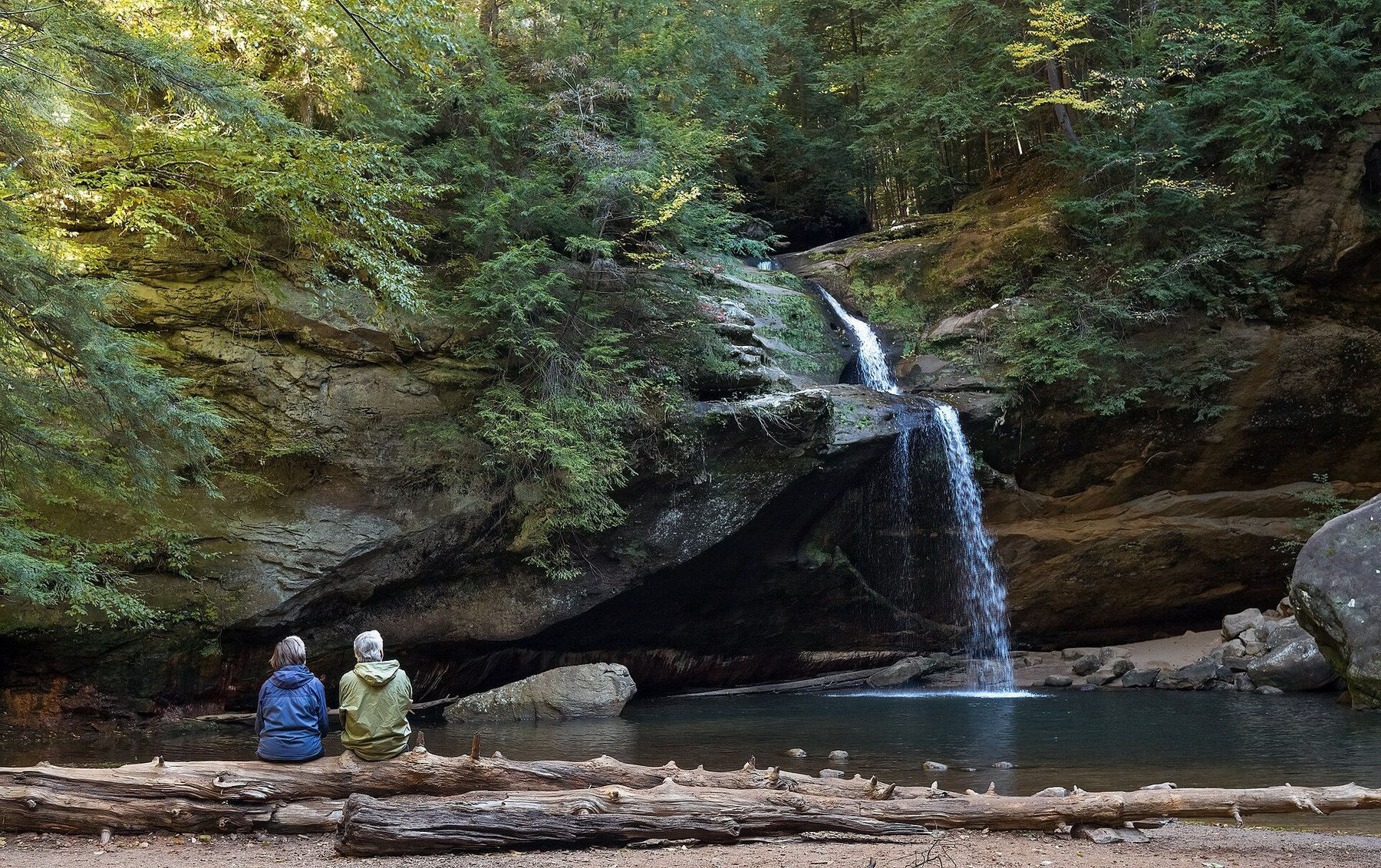
The rules there are in motion. WOUB Public Media reported on 21 November 2025 that Hocking County's zoning commission had drafted, in September, a countywide ordinance that would create a county permit with a variance process and require driveway standards for emergency vehicles, two points of exit for every bedroom, an occupancy limit based on the square footage of bedrooms and lofts, and a local contact able to arrive within 30 minutes and living in the county or within 30 miles. Officials, including the fire chief and the EMS chief, pointed to steep gravel drives and bridges that emergency vehicles struggle to use. Lodging owners objected to several provisions. The Logan-Hocking Times reported on 16 February 2026 that commissioners were to decide whether to adopt, change or leave the latest drafts. A vote could not be confirmed and the county's own document could not be opened, so this account rests on that reporting.
The A-Frame Ranch, Fredericksburg, Texas
The A-Frame Ranch is a group of rentals on 17 acres at the edge of Fredericksburg in the Texas Hill Country. Its home page lists six, three titled as A-frame cabins and two as treehouses, with guest counts from one to eight. The page carries a booking button and account links, and the listing page read for this story has availability and booking-terms sections and house rules that read like a short manual: check-in at 4 p.m., check-out at 11 a.m., no pets, no smoking, only toilet paper in the toilet because the property is on a septic system, a note to watch for deer on the drive and a request not to explore after dark.
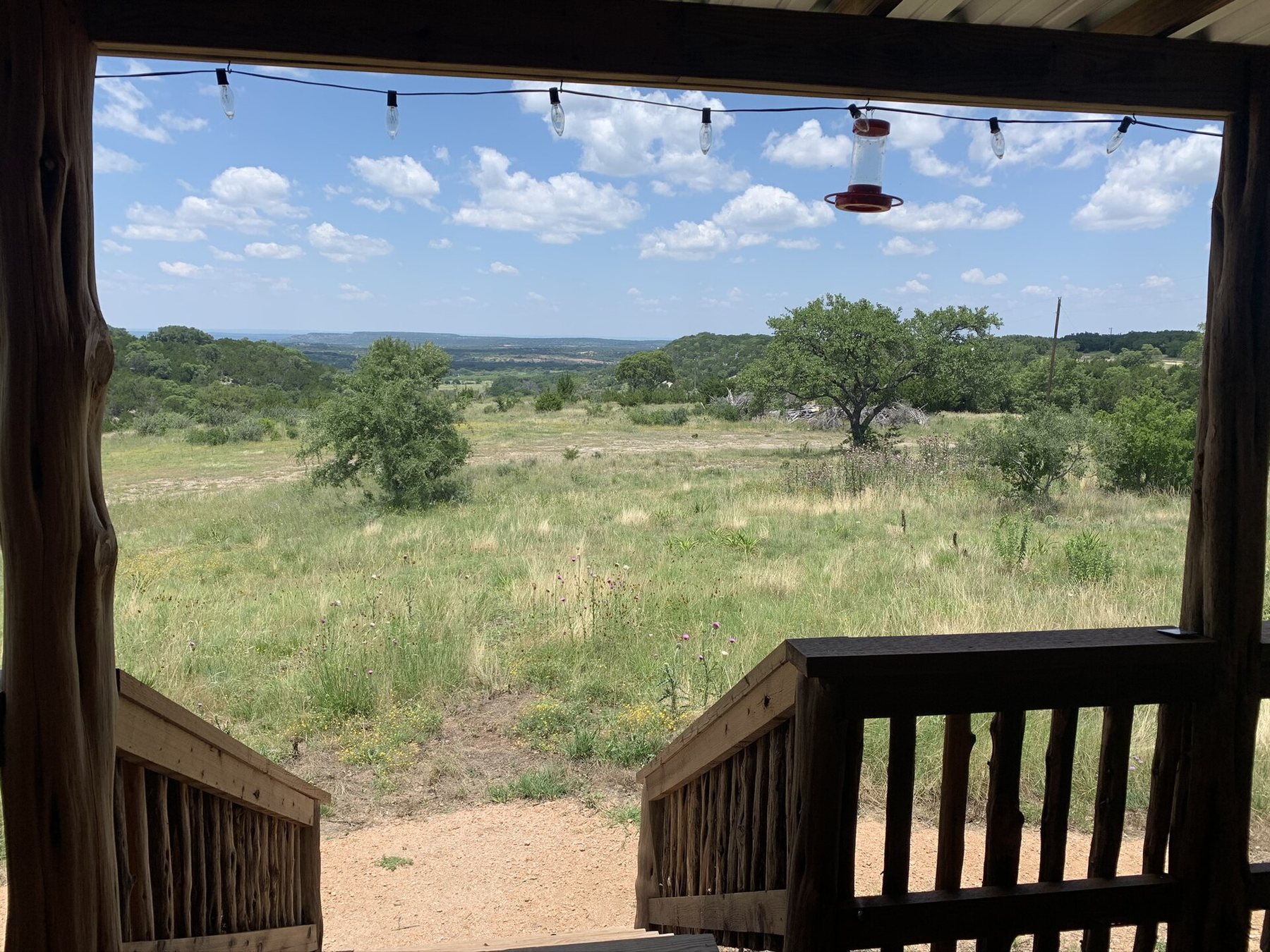
Two layers of rules apply. The City of Fredericksburg's permit FAQ says a structure rented for fewer than 30 days inside the city limits needs a short-term rental permit and inspections at issuance, transfer, modification and annual renewal, while rentals in its extraterritorial jurisdiction are not required to obtain a permit. The ranch's pages do not say which side of that line the property sits on, and this story does not say either. The state layer is tax. The Texas Comptroller's FAQ gives a 6 percent state hotel occupancy tax, local taxes of generally up to 7 percent, collection by a platform that agrees to collect, and, for rentals made on an owner's own website, collection and remittance by the owner.
Tye River Cabin Co., Skykomish, Washington
Tye River Cabin Co. runs two A-frames, Tye Haus and Sky Haus, in the Timberlane Village cabin community in Skykomish, 15 minutes from Stevens Pass, and a chalet in Leavenworth. Outside described Tye Haus in a piece archived in June 2021 as the A-frame all over Instagram and reported that it could then be reserved only through Airbnb. Today the company's booking page is labeled Book direct: dates picked in any cabin show what is open and the exact price, each cabin links to its Airbnb and Vrbo listings, a waitlist takes dates that are already booked, and a cancellation schedule gives a full refund 30 or more days before check-in, half from 14 to 29 days and nothing inside 14 days. The Tye Haus page lists check-in from 4 p.m., no pets and no parties, and a strict maximum of four guests.
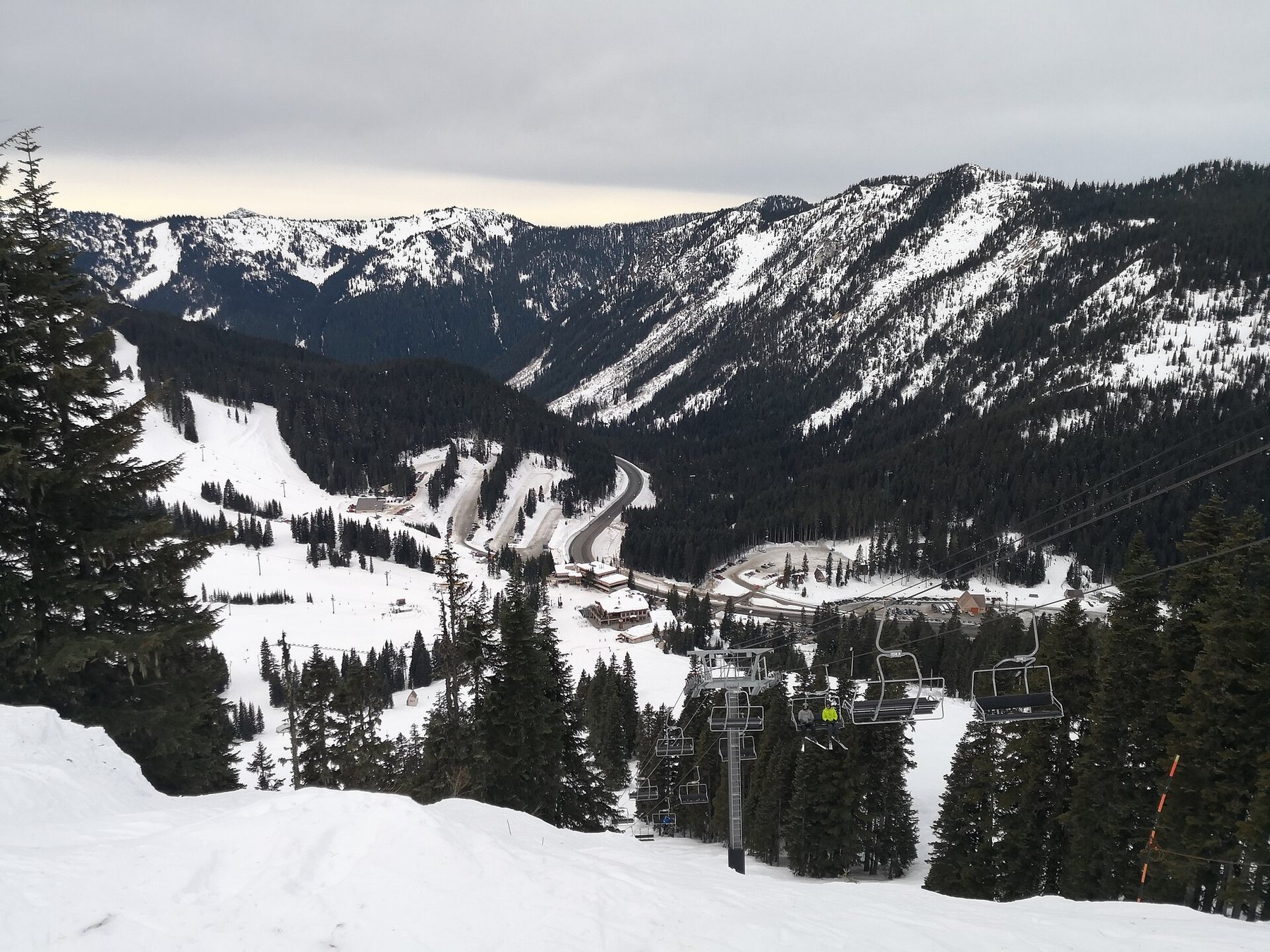
Skykomish's municipal code, chapter 18.16, adopted by Ordinance 474 in 2021, requires an inspection and an annual license before a rental is offered, sets capacity limits by district that may not exceed 18 rentals in total, with the limits not applying in the commercial zones, asks for a responsible party within a one-hour drive who can answer within 30 minutes, requires a posted sign inside the rental, a burn permit for outdoor fires, winter snow removal and liability insurance under state law, and sets civil penalties of up to $500 per violation, each day counted separately.
Lokal A-Frame, Dorchester, New Jersey
The Lokal A-Frame is a cabin on a 2.5-acre lot with frontage on the Maurice River, 50 minutes from Philadelphia, rented by Stay Lokal LLC, a company that also runs hotels in Philadelphia and Cape May. Its page says the 1960s redwood cabin got a full interior redesign and was fully insulated, and that it sleeps eight. The company's own site takes bookings through a calendar that it says a third party runs, and offers phone booking at any hour.
New Jersey's rule turns on how a booking arrives. The Division of Taxation's Technical Bulletin TB-81R2, issued in December 2019 and revised in February 2022, says sales tax and the State Occupancy Fee apply to a transient accommodation obtained through a transient space marketplace or classed as a professionally managed unit, meaning a unit owned or controlled by a person renting three or more separate units in a calendar year. Other rentals obtained directly through the owner are outside those taxes, and the law lets certain municipalities impose a municipal occupancy tax. A host's own records show which side of the line applies, and this story does not apply it to any operator. The township's own rules, if any, are not covered here.
What other hosts can borrow
Photograph the shape and protect the view
Airbnb's 2018 roundup of its most-liked Instagram photographs said images of green and secluded places were the biggest hit, and Tye River's page for Tye Haus describes the triangular window wall and the loft under the peak. A cheap way to learn what works is to look at the first photograph of ten comparable A-frames in a market and see what each leads with. An expensive way is to remodel: the Skykomish owner in Architectural Digest removed a bedroom to keep a 24-foot view.
Write the manual the shape needs
Washington's RCW 64.37.030 and Skykomish's code both require a posted notice with the address, the occupancy limit and a contact. The A-Frame Ranch listing page carries a longer list that answers questions its property produces: the septic limit, the deer, the quiet after dark. Dunlap Hollow's property page sets trail rules and states that guests assume the risks of the terrain. An A-frame produces its own questions: how the loft is reached and who may sleep there, how the stove or fireplace works, where the snow comes off the roof, and what the one stair or ladder is rated for.
Build the direct page with its duties in view
Two of the four operators publish a cancellation schedule on their own booking pages, and one adds a waitlist. A direct page carries limits and duties that a platform listing does not. Airbnb's Off-Platform and Fee Transparency Policy bars hosts from moving current, future or repeat bookings off the platform, from linking off it in listings or messages, from offering discounts to book elsewhere and from asking guests for contact details before a booking, so a direct page serves guests who arrive by name, by search or by press. The taxes follow the booking: Texas puts the state hotel tax on the owner for rentals made on the owner's website, and Washington's RCW 64.37.020 has the operator remit applicable taxes unless a platform does it. The insurance follows too, because Airbnb's host liability program covers stays arranged through its platform.
What to check before you buy or build
Published prices from plan and kit sellers give a start, and Table 3 lists two sellers' document prices as read on 12 October 2026. They are not build costs. AvrameUSA's FAQ says custom homes in the United States average over $200 to $500 per square foot, charges $3,500 when drawings begin, bills customization drafting at $150 per hour and delivers a kit by flatbed at $3.25 per mile, which it estimates at $2,200 to $7,800. It also says heating and cooling are not part of the kit and that insulation is sourced locally.
US dollars
| Package | Price | What the seller says it includes |
|---|---|---|
| Dunlap I | $1,950 | Architectural plans (PDF) for its A-frame |
| Dunlap II | $2,500 | Plans plus 2D CAD files |
| Dunlap III | $3,950 | Plans, 2D CAD files and 3D CAD files |
| DEN Planning | $299 | Online platform access, informational drawings, a budgeting worksheet and a short-term rental return calculator |
| DEN Building | $1,999 | Construction documents for the A-Frame Weekender |
These are prices for documents, not for building. DEN's A-Frame Weekender is 415 square feet; Dunlap Hollow's plans are for its 10-guest A-frame.
Source: dunlaphollow.com A-Frame Plans page and denoutdoors.com A-Frame Weekender page, read 12 October 2026
- Ask the town whether short-term rentals are allowed on the parcel, whether licenses are capped, and whether a private community or association adds rules.
- Ask the building department how it treats a loft, the height of a steep roof and the stair or ladder to a sleeping space, and which code edition it enforces.
- Measure the rafters, ask what insulation fits, and ask the seller for the heating and cooling bills from the hottest and coldest months.
- Walk the loft as a guest at night: the stair or ladder, the guard, the escape window, the alarms, and whether a family with small children can use it.
- Look where the snow goes: the entry, the parking, any lower roof, the roofing material and who clears it.
- Tell the insurer in writing that the building will be rented, price commercial or specialty coverage, and ask what covers a booking made on your own site.
- Drive the approach in wet weather: the grade, the width, any bridge, and what an ambulance or a fire truck would face.
What to do with this
- Pull the calendars and rates of ten comparable listings in your town for the same month, and note which are A-frames.
- Write a one-page manual before the first guest: the address, the occupancy limit, the loft rules, the heat, the roof and the contact.
- Send your insurer one email that names the rental use and asks what is and is not covered, including direct bookings.
- Look at the entry in the winter: where snow lands, and who clears it and when.
- If you plan a direct page, list the taxes you would collect and the cancellation schedule you would publish before you build it.
The draw of an A-frame is visible in one picture, and the public record shows that platforms and magazines keep reaching for it. The cost sits in the details a picture leaves out: the volume to heat, the loft to climb, the snow that falls from the roof and the policy behind the booking. Several of the operators above publish their house rules, cancellation terms and local numbers on their own pages, which is a habit worth borrowing. This story is general information, not legal, tax or insurance advice, and a host should confirm each rule with the city, county or state agency and with a qualified professional.
Common questions
Who built the first modern American A-frame?
Sources most often name R. M. Schindler's summer house for Gisela Bennati at Lake Arrowhead, California. The University of Washington's architecture database dates his first sketch to September 1934 and construction to 1934 to 1937, while Washington State's preservation agency gives 1936. Farm buildings in the same shape were older.
Does Airbnb still have an A-frames category?
Airbnb introduced category search in 2022 with 56 home types, including A-frames, according to Skift. Skift reported on 25 September 2025 that category search ended with Airbnb's May 2025 relaunch of Experiences and the new Services tab.
Does a regular homeowners policy cover a short-term rental?
Triple-I's March 2026 outlook says regular homeowners insurance typically does not cover commercial activity, including short-term rentals, and advises owners to notify the insurer and consider commercial or specialty coverage. Airbnb's host liability program covers stays arranged through its own platform.
Who collects lodging tax on a booking taken on a host's own website?
It depends on the state. In Texas, the Comptroller says the owner must collect and remit the 6 percent state hotel occupancy tax on rentals made on the owner's website. In Washington, RCW 64.37.020 has operators remit applicable taxes unless a platform does so for them. In New Jersey, the state's bulletin turns on whether a rental came through a marketplace or is a professionally managed unit of three or more.
Do steep roofs shed snow safely?
FEMA's Snow Load Safety Guide says steeper roofs shed snow more effectively, and that without snow guards or cleats the snow can slide onto lower roofs, including porch roofs and entrance canopies. It also describes ice dams at the eaves, which hold snow on the roof.
Sources
- Washington State Department of Archaeology and Historic Preservation, A-Frame, Architectural Style Guide (page undated, read 12 October 2026).
- University of Washington Libraries, Pacific Coast Architecture Database, Bennati, Mrs. A. Gisela, House, Lake Arrowhead (read 12 October 2026).
- Paul Rudolph Institute for Modern Architecture, 1955.01 Reese Residence (Andrew Geller) (read 12 October 2026).
- Field Mag, A History of the A-Frame House in North America and Beyond (published 28 July 2020, updated 5 July 2023).
- University of Oregon College of Design, A-Frame Revival (20 July 2020).
- Airbnb Newsroom, Unveiling the most wishlisted listings across the US (9 April 2026).
- Airbnb Newsroom, Top 10 most wishlisted US stays anticipated for summer 2022 (19 May 2022).
- Airbnb Newsroom, The Most Liked Airbnb Listings on Instagram in 2017 (17 January 2018).
- Airbnb Help Center, Host Liability Insurance Program Summary (last updated 30 June 2026).
- Airbnb Help Center, Off-Platform and Fee Transparency Policy (read 12 October 2026).
- Skift, Airbnb's categories were meant to reinvent the search box and are now gone (Skift report) (25 September 2025).
- AirDNA, How to apply filters in AirDNA (help center) (read 12 October 2026).
- Condé Nast Traveler, 20 Best A-Frame Cabins for Fall Foliage, Winter Snow, or Summer Lake Days (12 August 2026).
- Architectural Digest, 6 Ways to Turn Your Cabin Into the Perfect Vacation Rental (26 March 2022).
- Outside, The Tye Haus Is the A-Frame Cabin All Over Instagram (Internet Archive copy) (archived 13 June 2021).
- FEMA, Snow Load Safety Guide, FEMA P-957 (January 2013).
- ENERGY STAR (U.S. EPA), reposting Fine Homebuilding, Choosing and Installing a Ceiling Fan (October and November 2001 issue).
- Georgia Department of Community Affairs, Georgia International Residential Code 2020 Amendments, Appendix Q Tiny Houses (effective 1 January 2020).
- U.S. Consumer Product Safety Commission, Make Safety a Priority When Staying in a Vacation Rental Home (22 July 2022).
- Triple-I (Insurance Information Institute), Short-Term Rentals and Homeowners Insurance Outlook (9 March 2026).
- Washington State Legislature, RCW chapter 64.37, short-term rentals (sections 64.37.020 taxes, 64.37.030 consumer safety and 64.37.050 liability insurance read) (read 12 October 2026).
- Town of Skykomish, Washington, Skykomish Municipal Code chapter 18.16 Short-term rentals (Internet Archive copy of the code publisher's page) (Ordinance 474 (2021); copy read 12 October 2026).
- City of Fredericksburg, Texas, Short-Term Rental Permit, Frequently Asked Questions (read 12 October 2026).
- Texas Comptroller of Public Accounts, Hotel Occupancy Tax FAQs (read 12 October 2026).
- New Jersey Division of Taxation, Technical Bulletin TB-81R2, Transient Accommodations (issued 9 December 2019, revised February 2022).
- WOUB Public Media, In Hocking County, short-term rental businesses could soon see more regulations (21 November 2025).
- Logan-Hocking Times, Draft #6 of STR ordinances advances to Hocking County Commissioners (opening paragraph read) (16 February 2026).
- Dunlap Hollow, Booking page, with its A-Frame and A-Frame Plans pages (own site) (read 12 October 2026).
- A-Frame Ranch, Home page, with a Comal listing page showing house rules and booking terms (own site) (read 12 October 2026).
- Tye River Cabin Co., Check availability (book direct page), with its Tye Haus and Press pages (own site) (read 12 October 2026).
- Stay Lokal, A-Frame Cabin, Maurice River NJ (own page) (read 12 October 2026).
- AvrameUSA, FAQ (kit maker's own page) (read 12 October 2026).
- DEN Outdoors, A-Frame Weekender (plan seller's own page) (read 12 October 2026).
Rules and fees change, so check the source before you act. This is general information, not legal, tax or financial advice.

More guides and features
 Photograph courtesy of Sedona Pickler.Showcase · ShowcaseHow a single house in Sedona takes direct bookingsBy Noelle Pratt · 18 min read
 Photograph by Larry D. Moore on Wikimedia Commons, CC BY 4.0 licenceGuide · Direct BookingHow Direct Booking Works for a US Short-Term-Rental HostBy Owen Barrett · 22 min read
 Photograph by Gillfoto from Juneau, Alaska, United States on Wikimedia Commons, CC BY-SA 4.0 licenceExplainer · RulesHow Short-Term-Rental Rules Work in the United StatesBy Grant Whitaker · 20 min read
What readers say