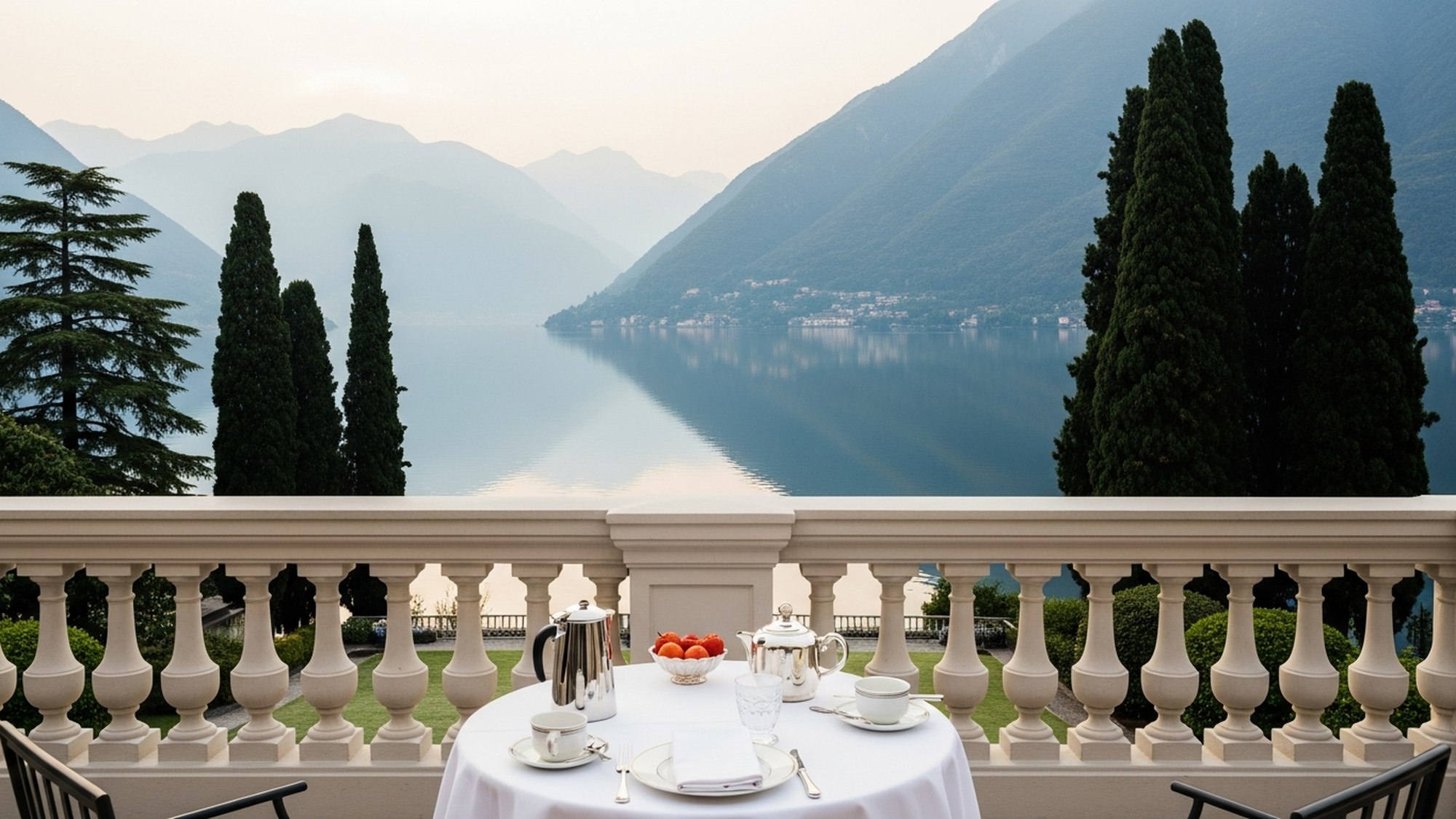
The Trophy Trap: Why Instagram-Ready Properties Are Killing Host Profits
Hosts are flocking to glamorous vacation spots, lured by high ADRs and social media fame. But STR NEWS analysis reveals the brutal truth: the real money is made in the quiet, unsexy markets everyone else ignores.
The dream sells itself. A sun-drenched beach house, a cozy cabin overlooking snow-capped peaks, a chic apartment in a vibrant downtown. Scroll through any social media feed, and the short-term rental industry looks like a parade of postcard perfection, an endless summer of high occupancy and even higher nightly rates. The influencer economy has cast a long shadow, convincing countless aspiring hosts that the path to prosperity runs exclusively through these trophy destinations, the places everyone wants to visit.
But the real money, the kind that quietly compounds and builds genuine wealth, isn't always found where the selfie sticks are. It's often tucked away in markets that lack the Instagram glitter, places many hosts would dismiss as "boring." These are the heartland towns, the secondary cities, the unglamorous locales where the business of short-term rentals operates with a different, more sustainable rhythm.
This isn't about chasing viral moments or maximizing property appreciation. This is about cold, hard cash flow, net profit, and the stark reality that sometimes, the most exciting returns come from the least exciting places. The STR industry isn't a beauty contest; it's a balance sheet. And on that balance sheet, the boring often beats the beautiful, hands down.
The Siren Song of the Beach House and the Mountain Cabin
Every host starts with a vision. For many, that vision is shaped by personal vacation memories or the aspirational imagery that saturates travel platforms. They dream of owning a property in a place they love to visit: a coastal retreat in Florida, a ski chalet in Colorado, a desert oasis in Arizona, or a city apartment in New York or Los Angeles. These "trophy markets" offer the promise of high average daily rates (ADR) during peak seasons, a steady stream of eager tourists, and the perceived cachet of owning a desirable asset. The narrative is powerful: buy where demand is always high, where people flock for leisure, and the profits will naturally follow. This allure is understandable. The idea of combining a personal vacation spot with a lucrative income stream is undeniably attractive.
However, this emotional connection can blind investors to the underlying economics. The very factors that make these markets so appealing to vacationers also make them fiercely competitive and incredibly expensive for property owners. The high demand is met with an equally high, if not higher, supply of short-term rentals. Everyone wants a piece of the pie in these coveted locations, from individual hosts to large institutional investors and property management companies. This creates a crowded marketplace where differentiation becomes costly, and profit margins are constantly squeezed. The dream of a high-yield investment often collides with the reality of exorbitant acquisition costs, relentless competition, and the ever-present pressure to maintain a luxury standard that demands continuous capital expenditure.
Furthermore, the perceived stability of demand in trophy markets can be misleading. While peak seasons are indeed strong, these destinations are often highly seasonal, experiencing dramatic swings in occupancy during shoulder and off-peak periods. A beach town in winter or a ski resort in summer might see ADRs plummet and bookings vanish, leaving hosts with significant carrying costs and minimal revenue. The reliance on leisure travel makes these markets particularly vulnerable to economic downturns, changes in travel trends, and even localized events like severe weather or environmental concerns. The "always high demand" narrative fails to account for the cyclical nature of tourism and the inherent volatility that comes with catering almost exclusively to vacationers. The emotional appeal of these locations is a powerful motivator, but it rarely translates directly into superior net cash flow.
The Brutal Math of Trophy Markets: Acquisition and Upkeep
The most immediate and undeniable hurdle in trophy markets is the astronomical cost of entry. Property values in prime vacation destinations or major metropolitan areas are orders of magnitude higher than in most other parts of the country. A modest two-bedroom condo in a desirable coastal town can easily command prices that would buy a sprawling family home, complete with a yard, in a secondary Midwest city. This inflated purchase price has a cascading effect on every aspect of a host's financial model. A higher principal loan means significantly larger monthly mortgage payments, tying up a substantial portion of potential revenue before a single guest even checks in. The interest burden alone can be crippling, often representing the largest single expense for a leveraged property.
Beyond the mortgage, property taxes are directly proportional to assessed value. A $1 million property in a high-tax state will incur tens of thousands of dollars in annual property taxes, a non-negotiable fixed cost that must be covered regardless of occupancy. Insurance premiums also skyrocket in these locations, driven by higher property values, increased risk of natural disasters (especially in coastal or mountain regions), and the added liability associated with short-term rental operations. Many insurers view STRs as higher risk than long-term rentals, and policies for properties in desirable, high-value areas reflect that perception with correspondingly higher rates. These fixed costs – mortgage, taxes, insurance – create an enormous baseline expense that must be consistently exceeded by STR revenue just to break even, let alone generate profit.
The upkeep in trophy markets is also a different beast entirely. Guests paying premium prices for a "luxury" experience expect nothing less than perfection. This translates into higher capital expenditures (CapEx) for initial furnishing and ongoing maintenance. Designer furniture, high-end appliances, premium linens, and a constant cycle of updates are not optional; they are table stakes for competition. A scratch on a floor or a worn sofa cushion that might be overlooked in a budget-friendly rental becomes a glaring flaw in a high-end property, leading to complaints, negative reviews, and demands for refunds. The pressure to maintain a pristine, picture-perfect aesthetic means more frequent repairs, replacements, and renovations. These aren't just minor fixes; they are often significant investments required simply to keep pace with guest expectations and local competition.
Consider the operational overhead. Cleaning services in high-cost-of-living areas command higher wages, meaning cleaning fees, while passed to guests, must be competitive enough not to deter bookings, often leaving the host absorbing a portion or limiting the number of turns. Maintenance professionals, handymen, and landscapers also charge premium rates. Every service, from pool cleaning to pest control, reflects the higher economic realities of these sought-after locations. The initial investment might seem justified by the high ADR, but when the brutal math of acquisition costs, property taxes, insurance, and the relentless demands of luxury upkeep are factored in, the net cash flow often shrinks to a surprisingly thin margin, or even negative territory, particularly during off-peak seasons.
Regulatory Headwinds: The Price of Popularity
The very popularity that draws hosts to trophy markets often becomes their undoing through the unforgiving hand of regulation. As short-term rentals proliferated in desirable tourist destinations, local governments, spurred by resident complaints about noise, parking, and housing affordability, began to crack down. What started as light-touch permitting in some areas has evolved into complex, restrictive, and often outright hostile regulatory frameworks in many of these high-demand locations. Cities like New York, San Francisco, Santa Monica, and numerous coastal towns have implemented some of the most stringent STR rules in the nation, effectively creating a minefield for hosts.
These regulations can take many forms, each designed to limit the growth and impact of short-term rentals. Common restrictions include primary residence requirements, which mandate that a host must live on the property for a certain number of days per year, or that the STR can only operate when the primary resident is present. This immediately disqualifies the vast majority of investor-hosts who purchase properties solely for rental income. Other regulations impose strict density caps, limiting the number of STR permits issued within a specific geographic area or even across an entire city. Once these caps are reached, new permits are impossible to obtain, creating a closed market where existing permits become incredibly valuable but also incredibly difficult to acquire.
The cost of compliance in these markets is also a significant burden. Permit fees can range from a few hundred dollars to several thousands annually, a recurring expense that directly reduces profitability. Many jurisdictions require hosts to collect and remit specific transient occupancy taxes (TOT) or similar tourism taxes, which, while passed to guests, add another layer of administrative complexity and potential liability. Fines for non-compliance are often steep, and enforcement efforts are increasingly sophisticated, with cities actively monitoring listing platforms and cross-referencing property records.
Beyond direct costs, the sheer uncertainty introduced by an unstable regulatory environment can make long-term investment planning a nightmare. What if the rules change next year? What if your permit is revoked? What if a new ordinance makes your property unviable as an STR? These are not hypothetical questions in trophy markets; they are constant anxieties. Major platforms like Airbnb and Vrbo have been forced to comply with local data-sharing agreements and even delist properties that do not meet local regulations, further illustrating the power of these municipal mandates. The "price of popularity" in these markets isn't just higher property values; it's a constant battle against increasing regulatory pressure that can erode profits, diminish property rights, and ultimately make the short-term rental business unsustainable for many.
The Quiet Power of the Heartland: Lower Entry Barriers, Stable Demand
Contrast the regulatory and financial gauntlet of trophy markets with the often-overlooked opportunities in what we call the "boring cash-flow markets" – secondary cities, exurban areas, and heartland towns across the Midwest and South. The first, and arguably most compelling, advantage here is the significantly lower cost of acquisition. Property values are a fraction of what they are in coastal or major metropolitan areas. A well-maintained three-bedroom home in a thriving regional hub might cost $200,000 to $300,000, a price point that makes ownership accessible to a much broader range of investors. This lower purchase price translates directly into smaller mortgage payments, lower property taxes, and more manageable insurance premiums. The fixed costs are dramatically reduced, creating a much wider margin for profitability even with lower average daily rates.
The regulatory environment in many of these markets is often far more permissive, or even non-existent. Because short-term rentals have not reached the saturation levels seen in tourist hotspots, local governments have typically not felt the same pressure to impose draconian restrictions. Many smaller cities and towns either have no specific STR ordinances, or they have adopted lighter-touch regulations focused on safety and basic permitting rather than strict caps or primary residence requirements. This reduces the administrative burden, lowers compliance costs, and most importantly, provides a more predictable and stable operating environment for hosts. The risk of sudden regulatory changes that could render an investment unviable is significantly diminished, allowing for more confident long-term planning.
Perhaps the most underrated aspect of these markets is their demand profile. While they may not attract the same volume of leisure tourists, they benefit from a diverse and often more stable array of demand drivers. Think about the need for housing for traveling nurses and medical professionals near regional hospitals, contract workers on long-term assignments, visiting professors or graduate students near universities, or families visiting relatives for extended periods. These guests often seek longer stays, reducing turnover and cleaning costs, and they are typically less demanding in terms of luxury amenities. They value cleanliness, comfort, and functionality over designer aesthetics. This "bread and butter" demand is less seasonal than pure tourism, providing more consistent occupancy rates throughout the year and dampening the dramatic revenue swings experienced in highly seasonal vacation markets.
Furthermore, these markets often cater to niche demand that is resilient and less susceptible to broader economic fluctuations. Local events, sports tournaments, conventions, and family gatherings provide consistent, albeit smaller, spikes in demand. The guest demographic is often less price-sensitive for their specific needs, and competition is generally less intense. While ADRs might not reach the dizzying heights of a beachfront property, the combination of lower costs, stable occupancy, and less operational friction means that the net cash flow generated by these "boring" properties can often far exceed that of their glamorous counterparts. It's a classic case of slow and steady winning the race, where predictable income trumps speculative appreciation.
Guest Expectations and Operational Drag: The Luxury Tax
One of the most significant, yet often overlooked, factors distinguishing trophy markets from their quieter counterparts is the escalating spiral of guest expectations. In a high-end vacation destination, guests are not just paying for a place to sleep; they are paying for an experience, a lifestyle, a dream. This translates into an unspoken "luxury tax" that hosts must constantly pay, both in upfront investment and ongoing operational drag. A property in a prime location is expected to be impeccably designed, professionally staged, and equipped with top-tier amenities. We're talking about gourmet kitchens, spa-like bathrooms, smart home technology, high-speed internet that never falters, and often, Instagram-worthy backdrops. Anything less risks immediate disappointment, negative reviews, and a struggle to command competitive rates.
The pressure to maintain this elevated standard is relentless. Every piece of furniture, every linen, every utensil must be of high quality and pristine condition. Wear and tear that might be acceptable in a more utilitarian rental becomes a glaring flaw in a luxury setting. This means more frequent replacement cycles for furnishings, higher-grade materials for renovations, and a constant need to update and upgrade to keep pace with evolving guest demands and local competition. The cost of a professional photographer, interior designer, and even a staging consultant are often mandatory expenses just to launch a listing that can compete. These investments are not optional; they are the cost of entry and continued survival in the high-stakes game of premium short-term rentals.
Consider the operational burden. Managing a high-end property often requires a more intensive level of service. Guests in trophy markets are more likely to expect concierge-level assistance, personalized recommendations, and immediate responses to any request, big or small. This demands a higher investment in property management, whether that's through a dedicated, full-service company or a significant time commitment from the host themselves. The cleaning standards are also elevated; a simple tidy won't do. Professional deep cleaning services are often required after every stay, and these services, as noted earlier, come at a premium in high-cost-of-living areas.
In contrast, the "boring cash-flow" markets operate on a different set of expectations. Guests, often traveling for work, family visits, or medical appointments, prioritize cleanliness, comfort, convenience, and functionality. They want a reliable internet connection, a comfortable bed, a well-stocked kitchen, and a quiet, safe environment. While a well-appointed property is always appreciated, the pressure to deliver a "luxury experience" is significantly diminished. Hosts can furnish their properties comfortably and functionally without needing to chase the latest design trends or invest in top-of-the-line everything. This drastically reduces initial CapEx and ongoing replacement costs. The operational demands are simpler: efficient cleaning, prompt communication, and reliable maintenance. The absence of the "luxury tax" allows for a much more straightforward and cost-effective operational model, directly contributing to higher net profit margins even with lower ADRs.
The Competition Crucible: A Race to the Bottom?
Walk into any online forum dedicated to short-term rentals, and you'll find hosts in popular vacation destinations lamenting the ever-increasing competition. It's a brutal reality: the more desirable a market, the more hosts it attracts. This creates a supply glut that inevitably puts downward pressure on average daily rates (ADR) and occupancy. When hundreds, or even thousands, of properties are vying for the same pool of guests in a relatively constrained market, hosts are forced into a race to the bottom, constantly undercutting each other on price or offering increasingly lavish amenities just to secure bookings. The initial excitement of entering a "hot" market often gives way to the grinding reality of razor-thin margins and the constant fear of an empty calendar.
This intense competition isn't just about price. It demands constant vigilance and sophisticated revenue management strategies. Hosts must employ dynamic pricing tools, monitor competitor listings daily, and be prepared to adjust rates on a dime. This adds another layer of complexity and stress to the operation. The cost of customer acquisition also rises; hosts might feel compelled to pay for preferred placement on listing platforms, invest heavily in social media marketing, or offer steep discounts to fill gaps in their booking calendar. The "set it and forget it" model simply does not exist in these highly competitive environments.
The impact on occupancy can be devastating. Even if a host manages to maintain a decent ADR, if their occupancy rates plummet during shoulder seasons or off-peak periods, the overall revenue takes a massive hit. The fixed costs – mortgage, taxes, insurance – remain constant, regardless of whether the property is booked. A property sitting empty for weeks or even months can quickly erase any profits made during peak times. The perceived high demand of trophy markets often obscures the fact that this demand is highly seasonal and fragmented among an ever-growing number of listings.
In contrast, many secondary and Midwest markets, particularly those with diverse demand drivers, experience significantly less competition. While the overall pool of potential guests might be smaller, the supply of short-term rentals is also far more limited. This gives hosts more pricing power and allows for more stable occupancy rates. There's less pressure to constantly drop prices or engage in amenity wars. The host can focus on delivering a consistent, quality experience rather than constantly battling for visibility. This translates into a less stressful operation, more predictable revenue, and ultimately, a healthier bottom line. The "boring" market, with its lower stakes and fewer players, often provides a clearer path to sustainable profitability.
Cash Flow vs. Capital Gains: The Real Investor's Playbook
This entire discussion boils down to a fundamental distinction in real estate investing: are you chasing cash flow or capital gains? Trophy markets are often speculative plays on capital appreciation. Investors buy into these locations hoping that the property's value will increase significantly over time, allowing them to sell for a substantial profit down the road. The short-term rental income, in this scenario, is often viewed as a secondary benefit, perhaps just enough to cover expenses and hold the asset until its value appreciates. This strategy relies heavily on market timing, sustained economic growth, and the continued desirability of the location. It's a long-term gamble, and while it can pay off handsomely, it also carries significant risk. Property values can stagnate, decline, or even crash, leaving the investor with a highly leveraged asset that generates little to no positive cash flow.
The short-term rental business, at its core, is about generating consistent, recurring income. It's a cash-flow business. For a true STR investor, the primary goal should be to generate positive net operating income (NOI) after all expenses, including debt service. This is where the "boring cash-flow markets" shine. By having significantly lower acquisition costs, lower fixed expenses, and more stable, year-round demand, these properties are inherently designed to generate robust cash flow from day one. The focus shifts from hoping for future appreciation to ensuring immediate, tangible profit that can be reinvested, used to pay down debt, or simply enjoyed. This approach prioritizes financial stability and predictable returns over speculative gains.
Consider the power of compounding. A property generating $500-$1000 in positive net cash flow per month, even with a lower ADR, allows an investor to build capital much faster than a property in a trophy market that barely breaks even or requires constant injections of capital. That consistent cash flow can be used to acquire additional properties, further diversifying the portfolio and increasing overall income. This is the true investor's playbook: building a robust portfolio of cash-flowing assets that provide financial freedom and security, rather than tying up vast sums of capital in a single, high-risk, high-maintenance "trophy" asset.
The temptation of capital gains in a hot market is powerful, but for the vast majority of short-term rental hosts, it's a distraction from the core business model. Appreciation is a bonus, not the foundation. Relying on appreciation means you're essentially speculating on the broader real estate market, which is a different game entirely from operating a successful STR business. The most successful STR investors understand this distinction. They seek out markets where the numbers work for cash flow, where the cost of entry is manageable, and where operational stability is the norm. They understand that a steady trickle of predictable profit is far more valuable than the occasional, unpredictable flood of speculative gain. It's about building a sustainable business, not just owning a pretty piece of real estate.
The real money, the kind that quietly compounds and builds genuine wealth, isn't always found where the selfie sticks are.
The Unseen Opportunities: Where the Smart Money Goes
If the allure of the trophy market is a siren song leading many to financial rocks, then the true opportunities lie in understanding where that song is not playing. The smart money in short-term rentals isn't chasing the next viral beach town; it's meticulously analyzing demographics, economic drivers, and regulatory landscapes in markets that others overlook. These are the places with stable local economies, often anchored by institutions like universities, major medical centers, large manufacturing plants, or military bases. These anchors provide a consistent influx of visitors – students' families, visiting faculty, medical staff, contractors, new hires – who need temporary accommodation but aren't necessarily looking for a five-star resort experience.
Identifying these markets requires a different kind of research than simply looking at travel trends. It involves digging into local employment figures, understanding the rhythm of academic calendars, monitoring hospital expansion projects, and tracking regional event schedules. It's about finding the underlying, fundamental demand for temporary housing that exists independently of the tourism industry. These demands are often less susceptible to fads or economic downturns, providing a more robust and resilient booking base. A college town, for example, will always have demand for graduation weekends, sporting events, and parent visits, regardless of the broader economic climate. A city with a major medical center will always host patients and their families, as well as traveling healthcare professionals.
Furthermore, these markets often present opportunities for hosts to differentiate themselves through simple, yet effective, means. While trophy markets demand constant upgrades and luxury amenities, a property in a secondary market can stand out by simply being exceptionally clean, well-maintained, and equipped with reliable basics. Offering amenities like a dedicated workspace, a fully stocked kitchen, or pet-friendly accommodations can be significant differentiators in markets where such features are less common among the existing housing stock. The competition is less about who has the infinity pool and more about who offers the most comfortable and convenient stay.
The operational advantages extend to pricing flexibility. Without the intense competition of a saturated market, hosts have more leeway to adjust rates without immediately losing bookings. They can maintain higher ADRs during peak local events and still achieve strong occupancy during slower periods. This isn't to say these markets are entirely without competition or challenges, but the playing field is far more level, and the margins for error are wider. The smart money recognizes that while these markets may not generate headlines or garner social media fame, they consistently generate the one thing that truly matters to an investor: predictable, positive cash flow. It's a strategic pivot from chasing the spotlight to building a durable, profitable business.
The Long Game: Why Longevity Trumps Flash
The short-term rental industry has evolved dramatically, moving from a niche sharing economy concept to a mature, multi-billion-dollar sector. In this maturing landscape, the ability to play the long game is paramount, and this is precisely where the "boring cash-flow markets" reveal their true strength. Flashy, high-ADR trophy properties, while attractive on paper, often suffer from inherent volatility and unsustainability. Their reliance on fickle tourist trends, their vulnerability to aggressive regulatory shifts, and the crushing weight of high operational costs make them precarious long-term investments for many independent hosts. They are often built on a foundation of hype and speculation, not on robust economic fundamentals.
Longevity in the STR business is built on several pillars: predictable demand, manageable costs, and a stable regulatory environment. These are the hallmarks of the secondary and heartland markets. When demand is driven by essential services, education, or local economic activity rather than pure leisure tourism, it tends to be more consistent and less prone to dramatic swings. When property acquisition and operational costs are reasonable, the business model is inherently more resilient to economic downturns or unexpected expenses. And when regulations are stable and sensible, hosts can invest with confidence, knowing that their business won't be legislated out of existence overnight.
This approach allows hosts to build equity gradually, generate consistent income, and reinvest profits back into their properties or into acquiring new ones. It fosters a sense of community engagement, as hosts in these markets often cater to repeat guests or visitors with a direct connection to the local area. This leads to better guest relationships, more positive reviews, and a stronger local reputation. The focus shifts from chasing the highest possible nightly rate to optimizing for consistent occupancy and positive net cash flow over the long haul.
The flash of trophy markets might grab headlines, but the grind of the cash-flow market builds empires. It's about understanding that real wealth in real estate, particularly in the short-term rental sector, is rarely built on Instagram moments or speculative appreciation alone. It's built on diligent market analysis, disciplined financial management, and a shrewd understanding of where the most sustainable, profitable demand truly lies. For the host looking to build a lasting, profitable STR business, the path forward is clear: turn away from the dazzling, expensive, and often precarious destinations, and instead, embrace the quiet, consistent power of the boring. That's where the real money is made, and kept.
The bottom line for hosts
Forget the glossy brochures and the influencer feeds. If your goal is to build a truly profitable and sustainable short-term rental business, shift your focus from "where everyone wants to go" to "where the numbers actually work." This means performing diligent market research that goes beyond simple tourism metrics. Look for markets with diverse demand drivers: universities, hospitals, corporate headquarters, regional event venues, or strong local economies that create consistent, non-leisure travel needs. Prioritize properties with lower acquisition costs, which translates into manageable mortgages, taxes, and insurance. Seek out jurisdictions with stable, host-friendly, or even non-existent STR regulations. Understand that guest expectations will be different, allowing you to invest in comfort and functionality rather than chasing luxury. Embrace the idea that consistent, predictable cash flow, even at lower ADRs, is far more valuable than the volatile, high-stakes gamble of a trophy property. The real opportunity lies in the unglamorous, the stable, and the truly cash-flow positive. That's where you build real wealth in STR.
About this piece
An original expert-analysis column by the STR NEWS desk. Figures are illustrative of how the market behaves; confirm specifics for your own market before you act.

Related from the desk



Read the desk every morning.
The day's crackdowns and platform moves, the money, the design and the stays going viral, plus the desk's verdict, in one short email every morning.