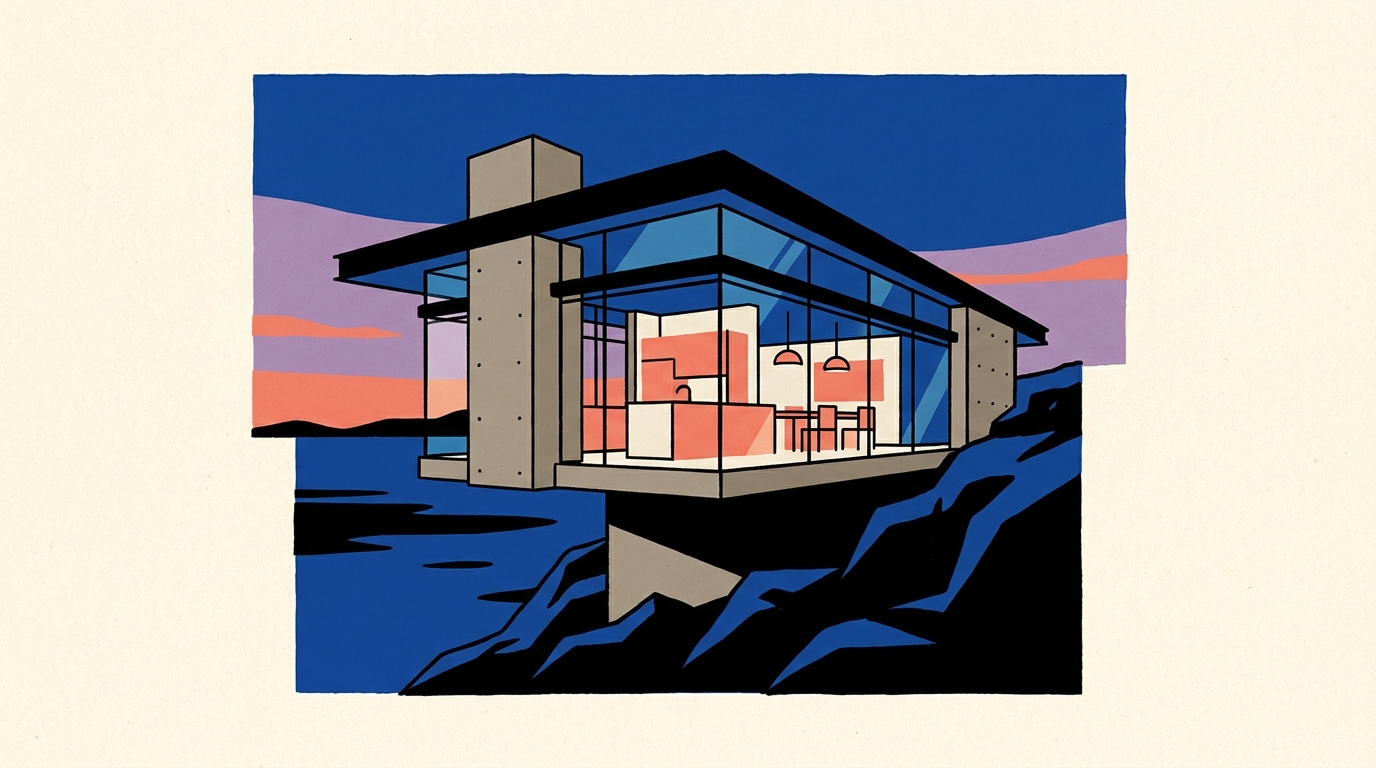
Airbnb Relaunches Luxe to Recapture the High-End Vacation Rental Market
Leaked plans from an exclusive host summit reveal that Brian Chesky is resurrecting a high-end inspection program to win back the world's wealthiest travelers.
The quiet rooms of San Francisco have a habit of leaking the secrets of the global short-term rental industry long before they are packaged for Wall Street. Last month, behind the closed doors of Airbnb's second annual invitation-only host summit, chief executive Brian Chesky laid out a quiet pivot that should make every high-end property manager and independent premium operator sit up. The platform is going back to the top of the pyramid.
The company is actively rebuilding its Luxe program, a high-touch, high-margin initiative that was unceremoniously mothballed when the pandemic forced a 25 percent headcount reduction in 2020. According to attendees who shared the details with Skift, the platform is preparing to revive the ghost of its 2017 acquisition of Luxury Retreats, bringing back a dedicated tier for ultra-premium properties that pass rigorous, in-person inspections.
This is not just another product update; it is a fundamental shift in how the dominant short-term rental platform views its future growth. For years, the company has chased volume, pushing into middle-market apartments, bedroom rentals, and even boutique hotels. But as regulatory walls close in on major cities worldwide, the math of the mass market is changing. Rebuilding Luxe is an admission that the real money, and perhaps the only safe money left in highly regulated markets, sits at the absolute top of the pyramid.
What happened
According to a report by Dennis Schaal published in Skift on October 6th, 2026, Airbnb plans to renew its push into premium accommodations. This revelation surfaced from comments made by CEO Brian Chesky at the company's second annual host summit in San Francisco. The details were confirmed by two property managers who attended the invitation-only meeting, where slides laid out the framework for the revived high-end program.
The new initiative marks a restart of the Airbnb Luxe program, which originally launched in June 2019 but was dismantled during the pandemic-induced restructuring of 2020. The qualification process for this new program will run in two distinct phases: first, a digital review of the property's location, home quality, and amenities against published standards; second, a mandatory in-person physical inspection of the property to verify its premium status.
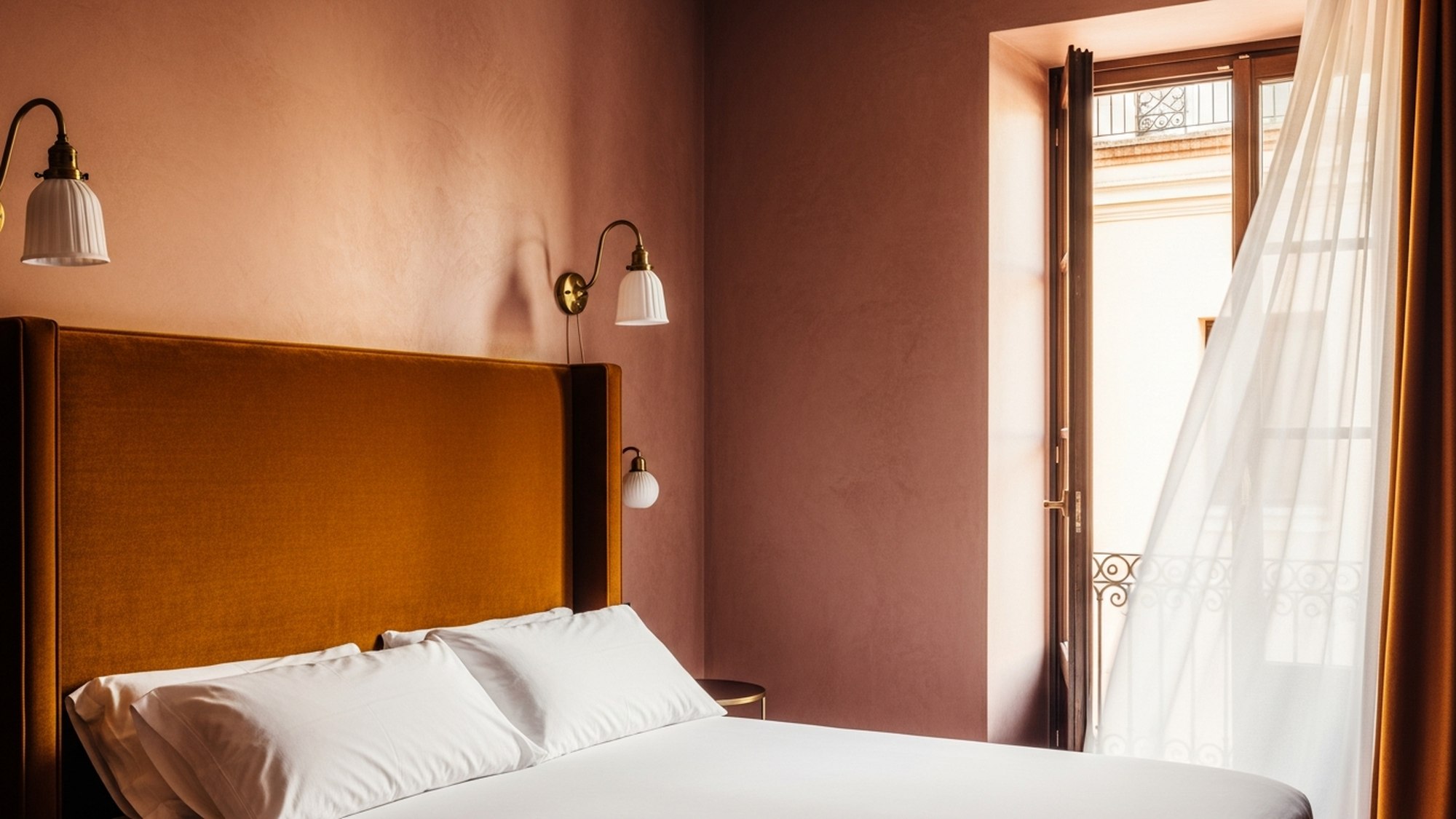
A summit slide shared with Skift outlined the specific physical requirements that properties must meet to qualify for the program. Homes must feature extraordinary design with premium materials, updated kitchen and bath finishes, and an upscale location that guarantees guest privacy. Additionally, properties must provide a full upscale kitchen, king or queen beds with en-suite bathrooms, private laundry facilities, and functional air-conditioning and heating throughout the entire home. Airbnb has not publicly announced the program and declined to comment on the leak.
“Airbnb is rebuilding its Luxe program. So that’s something that they really want to get into, and they’re going to be growing that program,”
The ghost of Luxury Retreats
To understand why Airbnb is returning to this strategy, one must look back to 2017, when the company acquired Montreal-based Luxury Retreats. At the time, the acquisition was seen as a major defensive move against traditional hospitality brands that were beginning to eye the private rental market. Airbnb wanted to prove that it could cater to high-net-worth individuals who demanded more than just a spare room or a quirky cabin. When Airbnb Luxe officially launched in June 2019, it was designed to be a full-service hospitality tier, complete with dedicated trip designers, concierge services, and 300-point physical inspections.
Then the pandemic struck in early 2020. Facing an unprecedented collapse in global travel, Airbnb cut 25 percent of its workforce and stripped away any initiative that was not core to its immediate survival. The high-touch, operationally heavy Luxe program was among the first casualties. The specialized team of inspectors, coordinators, and local concierges was dismantled. The properties remained on the platform, but they were largely folded back into the main search index, stripped of the dedicated marketing and support that had justified their inclusion in the program.
In the years that followed, high-end property managers felt abandoned. They had invested significant capital to align their properties with Airbnb's strict standards, only to see their visibility diluted in a sea of commoditized listings. Many of these operators pulled their best inventory off the platform entirely, focusing instead on building their own direct-booking channels or partnering with niche luxury agencies that understood the high-touch nature of premium hospitality. The resurrection of Luxe is a direct attempt by Airbnb to win back these high-value operators and the wealthy guests who book them.
The economics of the top one percent
The financial incentives driving this revival are clear. In the short-term rental business, not all nights booked are created equal. A budget apartment in a mid-sized city might rent for 100 dollars a night, yielding a modest service fee for the platform. A premium villa in a high-demand resort area can easily command 5,000 dollars a night. For Airbnb, the transaction costs of processing these two bookings are remarkably similar, but the revenue generated from the high-end transaction is orders of magnitude larger.
Furthermore, the premium travel segment has proven to be highly resilient in times of economic uncertainty. While inflation and rising interest rates can cause middle-class travelers to scale back their vacation plans, wealthy travelers tend to maintain their travel habits. By securing a larger share of the premium market, Airbnb can build a more stable, recession-resistant revenue stream. This is particularly important for a mature public company that must continuously find new ways to satisfy Wall Street's demand for consistent growth.
There is also the issue of guest acquisition costs. High-net-worth travelers are highly profitable customers because they are more likely to book longer stays, purchase additional services, and return to the platform for future trips. However, these guests also have exceptionally high standards. If they book a property that does not live up to expectations, they will not hesitate to take their business elsewhere. A dedicated, inspected program like Luxe gives these travelers the confidence to book expensive stays through Airbnb, knowing that the platform has personally verified the quality of the property.
The CapEx tax on premium hosting
For property managers and hosts, the relaunch of Luxe presents a significant financial hurdle: the capital expenditure tax. The qualification standards revealed at the summit make it clear that getting a property approved will not be cheap. Upgraded kitchen and bathroom finishes, premium materials, and en-suite bathrooms for every bedroom require substantial upfront investment. For many hosts, meeting these criteria will mean undertaking major renovations that can cost tens or hundreds of thousands of dollars.
This is a deliberate strategy by Airbnb to filter out amateur hosts and focus exclusively on professional operators who have the capital and the expertise to maintain institutional-grade properties. The platform is no longer interested in trying to elevate average listings through software alone. Instead, it is demanding physical, structural quality that can withstand the scrutiny of an in-person inspection. This creates a sharp divide in the hosting community between those who can afford to play in the premium space and those who are locked out by the sheer cost of entry.
Property managers must carefully calculate whether the potential increase in bookings and average daily rates from the Luxe program will justify these capital expenditures. If a manager spends 50,000 dollars upgrading a kitchen to meet the new standards, how many additional bookings will they need to secure through Airbnb to recoup that investment? In many high-demand markets, premium properties are already booking out through direct channels without paying a commission to Airbnb. For these operators, the CapEx tax of joining Luxe may simply not make financial sense.
The logistical friction of physical inspections
The biggest operational challenge of the rebuilt Luxe program is the requirement for physical, in-person inspections. This was the bottleneck that crippled the original program, and it remains a massive logistical hurdle. Scaling a global network of qualified inspectors who can physically visit properties in remote resort destinations, coastal enclaves, and mountain towns is incredibly expensive and operationally complex.
If the inspection process is too slow, it will create immense friction for property managers who want to onboard new inventory. High-end properties do not sit empty waiting for an inspector to arrive. If a manager has to wait months for an in-person visit before their property can be listed in the premium tier, they will likely lose patience and list the property on other platforms that have faster onboarding processes. The operational overhead of managing this inspection network will test Airbnb's ability to run a physical, real-world service business rather than just a software platform.
Moreover, the subjectivity of physical inspections is a constant source of tension between hosts and platforms. What one inspector considers a premium kitchen finish, another might view as outdated. If a host spends significant money preparing a property for the program, only to be rejected by an inspector over a subjective design choice, it will breed deep resentment. To make this program work, Airbnb will need to establish highly transparent, objective inspection criteria that are applied consistently across different regions.
The direct-booking defiance
The greatest threat to Airbnb's premium ambitions does not come from other major booking platforms, but from the property managers themselves. In the luxury sector, direct booking is king. The most successful premium property managers have spent years building their own brands, cultivating personal relationships with wealthy clients, and investing in their own marketing and technology stacks. They do not want to rely on a third-party platform that charges high fees and controls the customer relationship.
When a guest books a high-end villa, they expect a level of service that goes far beyond what a digital platform can provide. They want private chefs, pre-stocked refrigerators, yacht charters, and bespoke local experiences. These services are delivered by the local property management teams, not by Airbnb. Many managers feel that if they are doing the heavy lifting of hospitality, they should not have to hand over a significant percentage of their revenue to a platform that merely processes the payment.
If Airbnb wants to attract the best premium inventory, it will have to offer more than just a badge on a listing. It will need to provide real value to professional managers, such as lower commission rates, better integration with professional property management software, and dedicated, high-priority support. If the platform fees are too high, or if the platform attempts to restrict managers from communicating directly with their guests, the best operators will simply keep their top properties off Airbnb Luxe and continue to book them directly.
The regulatory refuge for high-end capital
As municipal governments around the world crack down on short-term rentals, the premium sector is emerging as a critical regulatory refuge for investors and platforms alike. In cities like New York, Barcelona, and London, strict zoning laws, registration requirements, and day limits have made it increasingly difficult to operate standard short-term rentals. These regulations are largely aimed at protecting the local housing stock from being converted into tourist apartments.
However, high-end estates, massive villas, and historic properties are rarely target areas for affordable housing initiatives. These properties are often located in exclusive resort destinations or rural areas where the local economy is entirely dependent on luxury tourism. Even in major cities, premium properties are often held in corporate structures or are subject to different legal classifications that shield them from the most restrictive home-sharing bans. This makes the premium segment a much safer bet for capital investment.
By shifting its focus toward these high-value, lower-risk properties, Airbnb can protect its revenue stream from the regulatory headwinds that threaten its mass-market business. A single premium listing that is legally permitted to operate year-round can generate more revenue for the platform than dozens of urban apartments that are subject to strict day limits and constant legal scrutiny. For hosts and investors, moving upmarket is becoming a survival strategy in an increasingly hostile regulatory environment.
The hotel paradox and distribution clash
At the host summit, Brian Chesky sought to reassure attendees that Airbnb's ongoing expansion into hotels would not hurt traditional residential hosts. However, this statement overlooks the fundamental reality of consumer demand. The line between a boutique hotel and a high-end vacation rental is blurring. A wealthy traveler looking for a premium stay in a major city will weigh a suite at a luxury hotel against a private home with Luxe-level amenities. They are competing for the exact same pool of premium capital.
By listing hotels on its platform, Airbnb is directly introducing institutional competition to its host community. Hotels have professional staff, standardized service, and significant marketing budgets. If a traveler can book a highly vetted hotel suite with guaranteed amenities through Airbnb, they may be less willing to take a chance on a private home, even one that has passed a digital review. This is the paradox of Airbnb's strategy: in its quest to become a comprehensive travel platform, it is actively competing with the very hosts who built its brand.
For premium property managers, this means they can no longer rely on the novelty of home-sharing to attract guests. They must compete directly with professional hospitality brands on service, quality, and consistency. The relaunch of Luxe is Airbnb's attempt to give residential hosts the tools and the branding they need to compete in this arena, but it also raises the bar so high that only the most professionalized operators will be able to survive the transition.
The resurrection of Luxe is an admission that the real money, and perhaps the only safe money left in highly regulated markets, sits at the absolute top of the pyramid.
What hosts should do now
If you operate in the high-end short-term rental market, you cannot afford to ignore this shift. You need to prepare your business for a more standardized, highly competitive landscape. Here is how you should respond to the return of Airbnb Luxe:
- Audit your inventory against the leaked standards: Evaluate your properties immediately against the summit criteria, specifically focusing on en-suite bathrooms, premium kitchen materials, and climate control. Identify which homes are close to qualifying and estimate the CapEx required to bridge the gap.
- Strengthen your direct-booking channel: Do not let Airbnb become your sole source of premium guests. Use the platform for discovery, but ensure your post-booking communication, loyalty programs, and concierge services are designed to turn those guests into direct, repeat clients.
- Review your local regulatory risk: Analyze the zoning and short-term rental laws in your specific markets. If you are operating in highly regulated urban areas, consider shifting your capital and management focus toward resort destinations where premium rentals are protected by local economic incentives.
- Prepare for physical inspections: Ensure your operational teams are trained to maintain properties at an institutional level of cleanliness and repair. Create internal pre-inspection checklists that mirror the high standards of professional hospitality brands.
The return of Luxe is a clear indication of where the short-term rental industry is heading. As the mass market becomes increasingly commoditized and regulated, the battle for the premium traveler will intensify. The operators who succeed will be those who can deliver the physical quality of a luxury hotel combined with the unique, private experience of a high-end home.
Checked by the standards desk (Eleanor Quist): every specific in this story was traced to its source material before publication.




Read the desk every morning.
The day's crackdowns and platform moves, the money, the design and the stays going viral, plus the desk's verdict, in one short email every morning.