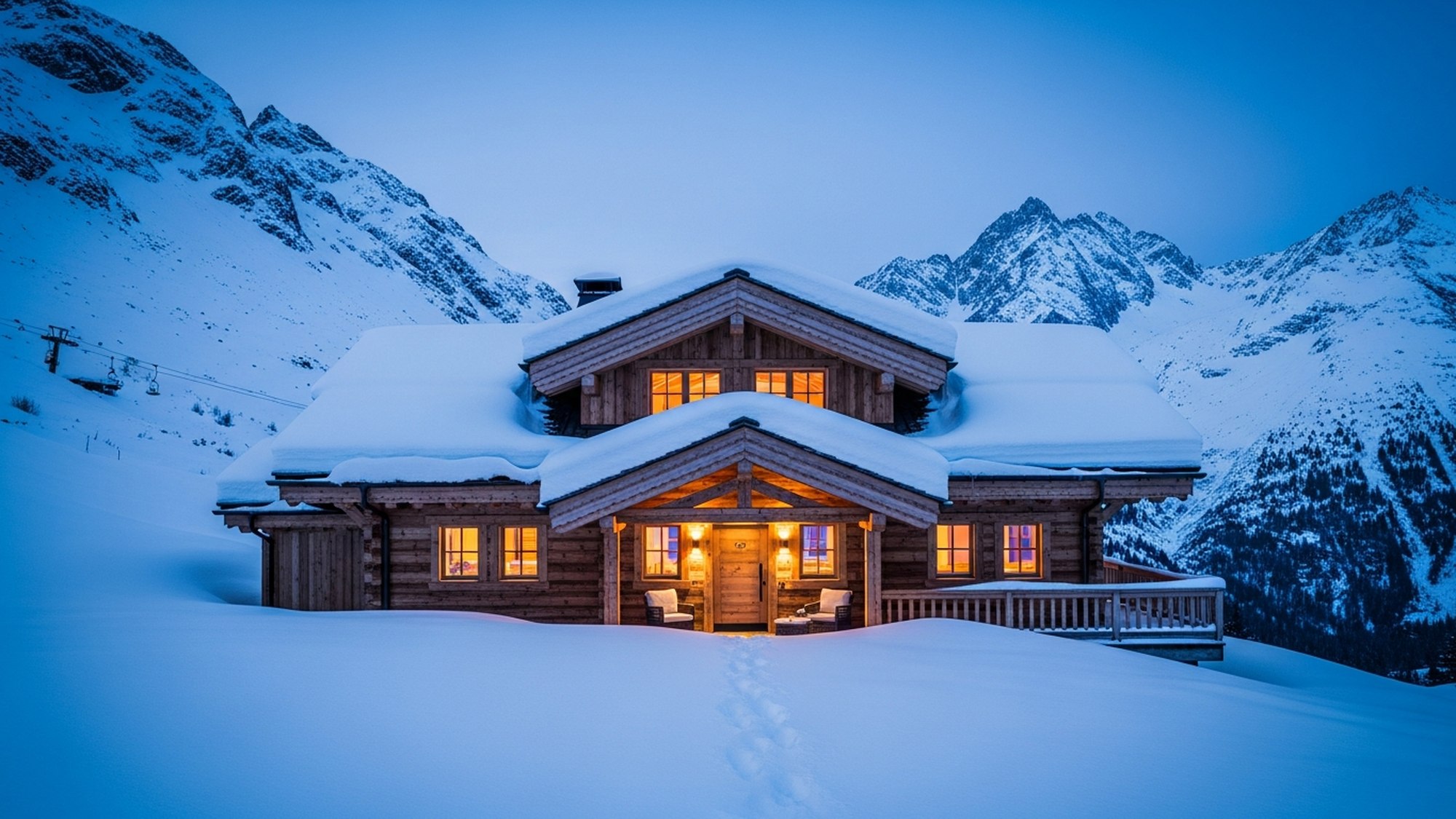
The Hidden Lens: Why Undisclosed Cameras Are a Death Sentence for STR Hosts
A disturbing pattern of secret indoor surveillance has guests scanning for pinholes and platforms bringing the hammer down. For hosts, this isn't just a bad look — it's a catastrophic business error.
The air in a short-term rental is supposed to be different. It’s not a hotel room with anonymous, identical furnishings and a plastic-wrapped remote. It’s a temporary home, a space where travelers can spread out, cook a meal, relax with family, and truly unwind. That unique promise of privacy, autonomy, and a "home away from home" is the core value proposition of our entire industry.
But that promise, fragile at the best of times, is being shattered by a shadow lurking in the most intimate corners of our business. A silent, unblinking eye that guests are increasingly finding hidden in alarm clocks, smoke detectors, and even USB chargers. We're talking about undisclosed indoor surveillance cameras, and their growing presence is not just an ethical breach; it's a direct threat to the financial viability and long-term reputation of every host, manager, and platform.
This isn't just about a few bad apples anymore. It's a pattern, an epidemic of trust betrayal that sends shivers down the spine of anyone who understands how quickly public perception can turn on an industry. The exposés are mounting, the lawsuits are brewing, and the platforms are finally sharpening their knives. For the host who still thinks a secret camera is a smart security move, listen up: you’re not just risking a bad review. You’re risking everything.
The Trust Betrayal at 30,000 Feet (and $300/night)
The short-term rental industry built its empire on a simple idea: unlock the unused potential of private homes. It offered travelers something traditional hotels couldn't – a sense of place, more space, and often, better value. Guests flocked to Airbnb, Vrbo, and Booking.com precisely because they wanted an experience distinct from a sterile hotel environment. They sought the freedom to be themselves, to relax without the constant feeling of being observed or constrained by hotel rules. This expectation of privacy, particularly within the walls of a private dwelling, became a cornerstone of the STR appeal.
When a guest books a property, they are entering into a temporary, quasi-residential agreement. They expect the living room to be their living room, the bedroom their sanctuary, and the bathroom their private space. This implicit understanding forms the bedrock of the guest-host relationship. It's a relationship built on trust, where the host provides a safe, clean, and private environment, and the guest respects the property and its rules. Introducing an undisclosed indoor camera into this dynamic isn't just a violation of rules; it's a fundamental betrayal of that trust. It transforms a welcoming home into a surveillance trap, eroding the very essence of what makes STRs appealing.
For years, the industry has grappled with various challenges: local regulations, neighbor complaints, and the ever-present threat of unauthorized parties. But the issue of hidden cameras strikes at a more primal level. It makes guests feel unsafe, vulnerable, and exploited. A single viral video exposing a hidden camera in a seemingly innocuous fixture can do more damage to the industry's reputation than a dozen loud parties. The perception shifts from "convenient alternative accommodation" to "potential privacy nightmare."
Platforms have attempted to address this with policies requiring disclosure, but the enforcement has been a continuous game of whack-a-mole. The problem isn't just that some hosts fail to disclose; it's that some actively conceal cameras, believing the benefits of surveillance outweigh the risks. This dangerous gamble fundamentally misunderstands the modern guest and the digital age. The benefits are illusory, and the risks are existential. The industry thrives on goodwill and repeat business. When guests start to view every alarm clock and every USB port with suspicion, the entire model begins to crumble. This isn't just a host problem; it's an industry problem, and every operator has a stake in stamping it out.
The Glint of the Lens: How Guests Are Getting Wise
The days when a cleverly disguised camera could operate in plain sight, undetected, are rapidly drawing to a close. Modern travelers are not just savvier; they are armed with information, technology, and a powerful, hyper-connected social network. The internet, particularly platforms like TikTok, Reddit, and various travel forums, has become a hotbed of "how-to" guides for sniffing out hidden surveillance. Guests are sharing tips, showcasing their finds, and creating a collective awareness that far outpaces any host's attempts at concealment.
The tools are surprisingly simple and increasingly common. Many guests now carry basic Wi-Fi and Bluetooth scanners on their smartphones, capable of detecting active devices on a network. A camera that streams footage wirelessly will often show up as an unrecognized device. More advanced users might employ specialized RF signal detectors or even simple infrared (IR) detectors, which can spot the IR LEDs used by many night-vision cameras, even when they're off. Even without specialized gadgets, a common flashlight test can often reveal a camera lens. Shining a bright light around potential hiding spots – smoke detectors, air fresheners, wall outlets, alarm clocks, tissue boxes, even picture frames – can cause the lens to reflect back a tell-tale glint.
The psychological impact of discovering a hidden camera cannot be overstated. Imagine settling into a rental, feeling safe and secure, only to realize you've been under surveillance. The immediate sensation is one of profound violation, betrayal, and sometimes, fear. This isn't just a minor inconvenience; it's a deeply personal affront that can ruin a vacation, trigger anxiety, and breed a justifiable rage. Guests aren't just canceling their bookings; they're documenting their finds, posting videos, and sharing their stories widely. A single TikTok video exposing a hidden camera can reach millions within hours, turning a host's property into a global cautionary tale.
These viral moments are not isolated incidents. They contribute to a growing public narrative that portrays some STRs as unsafe, untrustworthy spaces. This collective negative perception doesn't just damage the specific host involved; it casts a long shadow over the entire industry. When a potential guest searches for a vacation rental, the background noise of these exposés will inevitably influence their decision-making. They might opt for a hotel, or they might become hyper-vigilant, spending their first hour in a rental meticulously scanning for lenses, rather than relaxing. This erosion of the core promise of privacy fundamentally undermines the STR value proposition and risks alienating a broad segment of the traveling public.
The Law and the Platforms: A Patchwork of Protection
Understanding the legal landscape surrounding surveillance in short-term rentals is critical, and it's far more complex and dangerous than many hosts realize. There isn't a single federal law that directly governs recording in private spaces across the board; instead, it's a patchwork of state-specific statutes, often with significant variations. However, a few principles generally hold true, and they should terrify any host operating an undisclosed camera.
Most states recognize a strong "expectation of privacy" in certain areas, particularly bedrooms, bathrooms, and other private sleeping areas. Recording video in these spaces without explicit, informed consent is almost universally illegal, often carrying severe civil and criminal penalties. These can range from significant fines to felony charges, depending on the jurisdiction and the specifics of the recording (e.g., whether audio was also captured, the intent, the content). Even in common areas like living rooms or kitchens, if guests have a reasonable expectation of privacy, undisclosed recording can be problematic, though the legal interpretation might be more nuanced than in bedrooms.
Audio recording adds another layer of legal complexity. Many states operate under "two-party consent" laws, meaning all parties involved in a conversation must consent to being recorded. Other states adhere to "one-party consent," where only one person needs to be aware and consent. Regardless, secretly recording audio in a private rental space is fraught with peril and significantly increases a host's legal exposure. The distinction between video and audio is often overlooked but carries distinct legal consequences.
Beyond state laws, local ordinances can also come into play, particularly concerning surveillance within rental properties. Some cities, responding to privacy concerns, have begun to implement specific rules for STRs that go beyond state law, requiring clear signage or prohibiting certain types of surveillance altogether. Navigating this legal maze requires diligence, and ignorance is rarely an excuse in the eyes of the law.
Platform policies, while not laws, carry immense weight because they control access to your business. Airbnb, Vrbo, and Booking.com all have explicit, stringent rules regarding surveillance devices:
- Disclosure is Mandatory: All security cameras and recording devices, whether active or not, must be clearly disclosed in the listing description. This isn't optional; it's a fundamental requirement.
- No Cameras in Private Spaces: Universally, these platforms prohibit any recording devices in private spaces like bedrooms, bathrooms, or sleeping areas. This includes common areas that convert into sleeping spaces (e.g., a living room with a pull-out sofa during the period it's being used for sleeping).
- Exterior vs. Interior: Exterior cameras (like doorbell cameras or perimeter surveillance) are generally permitted, provided they are disclosed and do not infringe on areas where guests have a reasonable expectation of privacy (e.g., a camera pointed directly into a private hot tub area). Interior common area cameras are allowed only if fully disclosed.
The key distinction is "disclosed." The platforms are not entirely anti-surveillance, recognizing hosts' legitimate security concerns for their property. However, they demand transparency. An undisclosed camera, regardless of its location (outside of bedrooms/bathrooms), is a direct violation. An undisclosed camera in a bedroom or bathroom is a double violation – against policy and almost certainly against the law.
Enforcement by platforms has historically been challenging, relying on guest reports. However, with the rise of viral content and increasing public scrutiny, platforms are becoming far more aggressive. They are actively investigating reports, and their penalties are severe. Account suspension, immediate removal of listings, and permanent bans are common consequences. For a host whose entire business model relies on these platforms, a ban is an immediate and catastrophic business failure. The cost of a few cheap, hidden cameras pales in comparison to the revenue lost from a permanently suspended account. This isn't just about avoiding a fine; it's about retaining the ability to operate your business.
The Host's Dilemma: Security vs. Scrutiny
Let’s be clear: hosts have legitimate security concerns. This is not some abstract debate. Properties are valuable assets, and the risks are real. Unauthorized parties can lead to thousands of dollars in damage. Package theft is a growing problem, especially for properties without a dedicated front desk. Over-occupancy can strain septic systems, increase utility costs, and violate local ordinances. The need to monitor and protect an investment property, especially one that sees frequent turnover, is understandable. Many hosts invest significant capital into their rentals, from initial purchase and renovation to ongoing maintenance, and the instinct to protect that investment is strong.
The problem arises when legitimate security concerns morph into an overreach of surveillance, particularly when it moves indoors and becomes clandestine. A doorbell camera, clearly visible and disclosed, serves as a deterrent to package thieves and helps monitor guest arrivals. Noise monitoring devices, which detect decibel levels but do not record conversations, address party concerns without invading privacy. Smart locks provide secure, trackable access. These are all examples of ethical, effective security measures that protect the host's property without undermining the guest's expectation of privacy.
The slippery slope, however, is often irresistible for some. It starts with a legitimate need, then moves to a perceived need for more granular control. A host might reason, "If a doorbell camera is good, an indoor common area camera is better for catching partygoers." Then, the rationalization continues, "If it’s disclosed, guests might circumvent it, so I won't disclose it." And from there, it’s a short, dangerous leap to thinking, "If I really want to know what’s happening, a camera in the bedroom will catch everything." This incremental erosion of ethical boundaries, often driven by a few negative experiences with bad guests, blinds hosts to the far greater risks they are incurring.
The cost-benefit analysis for undisclosed indoor surveillance is fundamentally flawed. The perceived benefit is increased security, a sense of control over the property. The actual benefits are often minimal; a camera might record an incident, but it rarely prevents it in real-time. The costs, on the other hand, are enormous and multifaceted. They include:
- Financial Risk: Potential fines, legal fees, civil judgments, and criminal penalties.
- Reputational Risk: Immediate and irreversible damage to the host's brand, viral exposure, and a permanent stain on their online presence.
- Platform Risk: Account suspension or permanent ban, effectively shutting down the business.
- Insurance Risk: Potential voiding of liability insurance policies if the host is found to be engaged in illegal activities.
The industry's dark corners are populated by a small but damaging percentage of hosts who operate under the delusion that they are above the rules, or that a few hidden cameras are a minor transgression. They may have been burned by bad guests, experienced significant property damage, or simply have a warped sense of entitlement. But their actions don't just affect their own properties; they create a ripple effect, fostering suspicion and distrust that impacts every other legitimate host striving to operate an ethical, successful business. This minority, by their egregious actions, puts the reputation and livelihoods of the entire community at risk, making the industry as a whole appear less trustworthy and more predatory.
The Financial Fallout: Why This Crushes Your Bottom Line
For a host, a short-term rental is a business. It operates on metrics: occupancy rates, Average Daily Rate (ADR), and Revenue Per Available Rental (RevPAR). It involves significant fixed costs like mortgage payments, property taxes, insurance, cleaning fees, utilities, and permit renewals. It also has variable costs like guest supplies, maintenance, and platform commissions. Any decision that impacts these metrics or increases costs without commensurate revenue is a bad business decision. Undisclosed indoor cameras are not just bad; they are financially catastrophic, representing one of the quickest ways to torpedo an otherwise viable enterprise.
The most immediate and devastating impact is on your reputation. In the digital age, a single viral video or a widely shared news story about hidden cameras can obliterate years of goodwill and careful brand building. Negative reviews about privacy violations are far more damaging than complaints about a stiff mattress or a noisy neighbor. They are red flags that deter future bookings en masse. When your property's name is associated with surveillance scandals, your occupancy rates will plummet. Potential guests will simply scroll past your listing, no matter how appealing the photos or how competitive the price. A sustained drop in occupancy directly impacts RevPAR, as your fixed costs like mortgage, property taxes, insurance premiums, and permit fees remain constant, while the revenue stream dries up. You might even feel compelled to drastically lower your ADR in a desperate attempt to attract any bookings, further eroding your profitability.
Beyond the reputational damage, the direct financial consequences are brutal. If a guest discovers an undisclosed camera and reports it to the platform, the standard response is often an immediate full refund for the guest, potentially even covering their relocation costs. This means you lose all revenue for that booking, and you might still be on the hook for cleaning fees if the guest has already checked in. Repeat offenses or particularly egregious violations will almost certainly lead to platform penalties. Account suspension for a few weeks or months can mean hundreds or thousands of dollars in lost bookings. A permanent ban from Airbnb or Vrbo, which is increasingly common for serious privacy violations, is an effective death sentence for most STR businesses. Without access to these dominant booking channels, finding enough guests to maintain profitability becomes an insurmountable challenge, making your entire investment in the property a sunk cost.
The legal and regulatory risks add another layer of financial devastation. State attorneys general, local district attorneys, and private citizens are increasingly pursuing legal action against hosts who violate privacy laws. Civil lawsuits can result in significant monetary judgments for emotional distress, privacy invasion, and other damages. The legal fees alone, even for successfully defending a claim, can be exorbitant. If criminal charges are filed, the costs escalate further, potentially including fines, restitution, and even jail time. These are not abstract threats; they are real, documented cases that are becoming more frequent as guests and authorities become more aware and assertive.
Consider the cumulative effect: a host, perhaps already operating on thin margins due to rising permit costs, property taxes, and increasing platform fees, suddenly faces a barrage of refunds, a suspended account, and potential legal action. The capital invested in property acquisition, renovations, and furnishings — which might be hundreds of thousands or even millions of dollars — becomes trapped in a non-performing asset. The monthly cash flow, essential for covering operating expenses and debt service, vanishes. What seemed like a minor cost-saving or security measure (a cheap camera) quickly becomes the catalyst for financial ruin, making all other operational considerations, like competitive cleaning fees or optimizing RevPAR, utterly moot. The very business model that offers flexibility and profit is destroyed from within, by a self-inflicted wound that could have easily been avoided through transparency and adherence to basic ethical guidelines.
The Path to Transparency: Smart Security, Smart Business
Operating a successful short-term rental business in today's environment demands a strategic approach to security that prioritizes transparency and guest trust above all else. It's not about forgoing security; it's about implementing it ethically, legally, and in a way that enhances, rather than destroys, your brand reputation. Smart security is transparent security, and it's a powerful differentiator in a crowded market.
The foundation of ethical security begins with what's visible and clearly communicated. Exterior cameras, such as doorbell cameras or perimeter surveillance pointed at entry points or driveways, are generally accepted and often welcomed by guests who appreciate the added layer of safety. These devices deter package theft, monitor deliveries, and can provide valuable evidence in case of external property damage or unauthorized gatherings. The crucial step, however, is clear and unambiguous disclosure in your listing description and house rules. "There is a Ring doorbell camera at the front entrance monitoring the exterior property" is a perfectly acceptable statement. Leaving it unsaid is not.
Beyond cameras, several other technologies offer robust security without privacy invasion. Noise monitoring devices, such as those offered by companies like NoiseAware, are invaluable for detecting potential parties or excessive noise levels without recording any conversations. These devices simply alert hosts when decibel levels exceed a pre-set threshold, allowing for proactive intervention. Smart locks, which generate unique codes for each guest, enhance security, streamline check-in, and provide an auditable log of property access, eliminating the need for key exchanges or concerns about lost keys. These systems are non-intrusive and provide tangible benefits for both host and guest.
Thorough property management and maintenance checks are also critical components of a comprehensive security strategy. Regular inspections by cleaning crews or property managers can identify potential issues, deter unauthorized activity, and ensure the property remains in excellent condition. Establishing clear communication channels with guests, providing them with emergency contacts, and having a responsive team in place further builds trust and addresses concerns proactively, reducing the perceived need for constant surveillance.
Ultimately, transparency is your competitive advantage. In a market increasingly wary of privacy breaches, a host who goes above and beyond to assure guests of their privacy will stand out. Clear, detailed disclosures about any exterior cameras, a commitment to no indoor surveillance, and the use of privacy-respecting security technologies can be powerful marketing tools. This approach builds a long-term reputation for integrity and reliability. Guests are more likely to book with a trusted host, leave glowing reviews, and become repeat customers. This positive feedback loop contributes to higher occupancy rates, allows for a more competitive ADR, and ultimately boosts your RevPAR. Investing in ethical practices isn't just about avoiding penalties; it's about cultivating a sustainable, profitable business built on a foundation of trust that today’s discerning travelers genuinely value.
The Counter-Argument and Why It Fails
When the topic of surveillance comes up, some hosts will invariably trot out the familiar counter-arguments. "But guests lie about damage!" they’ll exclaim. "But parties are rampant!" Others will resort to the ultimate justification: "It's my property; I can watch it if I want!" These arguments, while seemingly understandable from a host's perspective, are fundamentally flawed, legally tenuous, and ultimately self-defeating for the industry as a whole.
Let's tackle the issue of guest behavior first. Yes, some guests do cause damage. Yes, some throw unauthorized parties. These are legitimate frustrations, and they cost hosts money and time. However, the response of installing undisclosed indoor cameras is a disproportionate and illegal reaction to a problem that has more effective, ethical, and legal solutions. If a guest lies about damage, there are platform resolution centers, insurance claims, and legal avenues to pursue. If parties are rampant, noise monitoring devices, strict house rules, and proactive communication with guests are far more appropriate tools. Recording guests without their knowledge and consent, especially in private areas, is not a solution; it's a transgression that puts the host in a far more legally vulnerable position than the guest ever was.
The "it's my property" argument is perhaps the most dangerous and misguided. While it is undeniably your property, the moment you offer it for short-term rental, you enter into an agreement that grants the guest temporary rights, including a reasonable expectation of privacy within the rented space. You wouldn't expect to install cameras in a hotel room you own and rent out to nightly guests. The legal framework surrounding rental agreements, whether short-term or long-term, inherently limits an owner's right to surveillance once a property is occupied by paying guests. Your ownership does not grant you carte blanche to invade the privacy of individuals legally occupying your space, particularly not without their knowledge and consent. This is a crucial distinction that many hosts fail to grasp, often to their immense detriment.
Furthermore, the self-defeating nature of privacy invasion cannot be overstated. The very act of secretly monitoring guests creates the backlash it claims to prevent. A guest who discovers a hidden camera isn't just annoyed; they are outraged. This outrage leads to viral posts, negative reviews, platform bans, and legal actions – all of which harm the host far more than any isolated incident of property damage might. The short-term rental industry thrives on the unique selling proposition of offering a "home away from home." When that promise is broken by surveillance, the industry loses its fundamental appeal. Guests who feel violated are unlikely to return to STRs, opting instead for hotels or other forms of accommodation where privacy is more clearly guaranteed.
The counter-arguments ultimately fail because they prioritize a narrow, often paranoid view of security over fundamental ethical principles and legal obligations. They misunderstand the nature of the guest-host relationship and the broader impact on the industry. True security comes from building trust, operating transparently, and utilizing ethical technologies, not from clandestine surveillance that alienates guests and invites severe legal and financial repercussions. Any host clinging to these justifications is not just making a bad business decision; they are actively undermining the very foundation of the short-term rental economy.
The short-term gain of perceived surveillance control is dwarfed by the catastrophic, long-term losses from reputation ruin, platform bans, and legal nightmares.
The bottom line for hosts
The message for every host and property manager in the short-term rental industry is unambiguous: undisclosed indoor cameras are a non-starter. They are illegal in many contexts, violate every major platform's terms of service, and fundamentally shatter the trust upon which our business is built. The financial and reputational risks far outweigh any perceived benefit. If you have any such devices, remove them immediately.
Your action plan should be straightforward: First, audit every single property you manage or own. Check every room, every fixture, every outlet, and every corner for any device that could be construed as a recording mechanism. If you find one, remove it. Second, meticulously review your listing descriptions across all platforms. Ensure every single outdoor camera, doorbell camera, or noise monitoring device is clearly, specifically, and prominently disclosed. Transparency is not just good practice; it is your shield against litigation and platform penalties.
Third, educate your staff and cleaning crews on these policies. Ensure they understand the severe implications and are trained to report any suspicious devices they might encounter. Fourth, invest in ethical, privacy-respecting security solutions. Exterior doorbell cameras, perimeter surveillance, smart locks, and noise monitoring devices provide robust protection without invading guest privacy. These technologies are your allies, not substitutes for intrusive surveillance.
Finally, embrace trust as your most valuable asset. Promote your commitment to guest privacy in your marketing materials and guest communications. A host known for their integrity and transparency will always attract more bookings, command better rates, and cultivate a loyal customer base. In an industry increasingly scrutinized, a reputation for ethical operation is not just good for business; it is the business. Don't let a cheap camera be the reason your entire operation comes crashing down.
About this piece
An original expert-analysis column by the STR NEWS desk. Figures are illustrative of how the market behaves; confirm specifics for your own market before you act.




Read the desk every morning.
The day's crackdowns and platform moves, the money, the design and the stays going viral, plus the desk's verdict, in one short email every morning.