
The Large-Group Luxury Niche Is Getting Crowded: The Gold Rush Ends
The dream of sky-high ADRs from sprawling vacation homes pulled investors in droves. Now, the market is saturated, regulations are tightening, and the easy money is gone. A reckoning is here.
For years, the chatter in every short-term rental group chat, every industry conference hallway, every late-night investment forum, was about the big house. The sprawling estates, the multi-bedroom cabins, the beach-front mansions designed for a dozen guests or more. These weren't just properties; they were perceived cash cows, symbols of the ultimate high-ADR play, promising a yield that would make smaller units look like chump change. Hosts and investors, eyes wide with dollar signs, stampeded into this segment, convinced they had found the holy grail of STR.
The logic was simple, seductive even. One booking for a massive property could pull in more revenue than five bookings for a one-bedroom condo, with seemingly fewer headaches. Higher daily rates meant higher total revenue, and the promise of a more 'stable' guest profile – family reunions, corporate retreats, milestone celebrations – seemed to outweigh the inherent risks. It was the perfect storm: a post-pandemic surge in demand for space and privacy, combined with readily available capital and a market hungry for 'experiences' over mere accommodation. Everyone wanted a piece of that action.
But like any gold rush, the initial glint of easy riches has faded. The ground is now thoroughly picked over, and the prospectors are finding that the veins of pure gold are fewer and farther between. The large-group luxury niche, once a wide-open frontier of opportunity, has become a crowded, cutthroat arena. What worked yesterday is a recipe for disaster today, and hosts who aren't ruthlessly analytical about their strategy are watching their RevPAR plummet and their properties sit empty.
The Irresistible Allure of the High-ADR Beast
Let's be blunt: the large-group luxury property was, for a time, a no-brainer for many. The average daily rate (ADR) numbers alone were enough to make any host salivate. A typical one-bedroom unit might command $150-$250 a night in a decent market, but a five-bedroom house could easily pull $800-$1500, sometimes far more for truly exceptional properties or during peak seasons. This wasn't just incremental growth; it was a quantum leap in potential revenue per booking.
The perceived operational efficiency also played a huge role in this stampede. While the cleaning fee for a large house is undoubtedly higher than for a studio, it often represents a smaller percentage of the total booking value. More importantly, the *frequency* of turnovers could theoretically be lower. If a smaller unit churns guests every two or three nights, a large house often secures longer stays – a week for a family reunion, a long weekend for a corporate retreat. Fewer check-ins and check-outs meant less administrative overhead, less coordination with cleaning teams, and fewer instances of guest communication per revenue dollar. Or so the theory went.
Investors, from individual hosts leveraging their home equity to institutional funds deploying millions, saw the high-ADR big house as a way to maximize their capital deployment. The thought was, 'why buy three condos when I can buy one mansion and make more money?' The leverage factor was immense. A single, high-value asset could, in theory, generate returns that dwarfed a portfolio of smaller units, especially when factoring in the perceived stability of longer, higher-value bookings. The narrative was powerful: invest big, earn big, streamline operations.
The pandemic, ironically, poured rocket fuel on this fire. Lockdowns and travel restrictions made people crave space, privacy, and the ability to gather with their chosen few without the perceived risks of traditional hotels. Rural retreats, large homes with private pools, and spacious properties became the preferred choice for many travelers. This surge in demand validated the 'big house' strategy for many, pushing occupancy rates sky-high and allowing hosts to command premium pricing. It created a distorted view of sustainable market conditions, leading many to believe the good times would last forever.
The Unseen Costs and Operational Nightmares
The allure of high ADR often blinded hosts to the brutal realities of operating a large-group luxury property. The truth is, while the revenue numbers are bigger, so are the headaches, the expenses, and the sheer logistical complexity. This isn't just a bigger version of a small rental; it's an entirely different beast.
First, the cleaning. Turning over a five-bedroom, four-bathroom house with a gourmet kitchen, multiple living areas, and potentially a pool or hot tub is not a job for one person with a vacuum. It requires a dedicated team, often taking hours, sometimes an entire day, to ensure every corner is immaculate. The cost of labor, specialized cleaning supplies, laundry for dozens of towels and sheets, and the logistical coordination of this team eats deeply into margins. And if it's a luxury property, guests expect perfection; a single stray hair or smudge can trigger a negative review that derails future bookings.
Then there's maintenance. More bathrooms mean more toilets, more showers, more potential leaks. More appliances mean more chances for a refrigerator to die or a dishwasher to clog. Larger properties often come with pools, hot tubs, extensive landscaping, and complex HVAC systems – all of which require specialized, ongoing, and expensive maintenance. A broken pool pump in July can ruin an entire week's booking, leading to refunds and reputational damage. The capital expenditure for maintaining a 'luxury' standard is relentless. Furniture gets more wear and tear from larger groups. Dishes, glasses, and cutlery disappear or break at an accelerated rate. The 'set it and forget it' dream quickly becomes a 'constant vigilance' nightmare.
Guest management also scales exponentially. A large group, by its very nature, generates more questions, more requests, and more potential issues. Noise complaints from neighbors are far more common with a dozen revelers than with a quiet couple. The risk of property damage is higher. The need for clear house rules, robust security deposits, and constant monitoring (often requiring smart home tech like noise sensors, though these come with their own privacy concerns and guest pushback) becomes paramount. Dealing with a party that gets out of hand, or a guest who refuses to follow checkout instructions, is significantly more stressful and time-consuming when you're managing a $1,500-a-night booking than a $150 one.
Regulation's Heavy Hand: The Price of Scale
Perhaps one of the most significant, and often underestimated, challenges facing large-group luxury rentals is the regulatory environment. When a single-family home, designed for a nuclear family, is transformed into a de facto mini-hotel for 10-20 people, it rarely goes unnoticed by neighbors or local authorities. This scale of operation often triggers a far more stringent level of scrutiny than a typical one or two-bedroom rental.
Many municipalities, grappling with housing shortages and community pushback against 'party houses,' have specifically targeted larger STRs. Ordinances frequently include limitations on occupancy, requiring higher permit fees, stricter safety inspections (fire codes, egress points, adequate parking), and even outright bans in residential zones. Some cities now require commercial zoning for properties above a certain bedroom count, effectively eliminating most large homes from the STR market. The costs of compliance – retrofitting fire alarms, installing sprinkler systems, upgrading electrical panels – can run into tens of thousands of dollars, eroding profitability before a single guest even checks in.
The permitting process itself for these larger properties is often a bureaucratic nightmare. It can involve multiple city departments, public hearings, and community review boards, where vocal neighbors can derail an application. The ongoing cost of permits, licenses, and local tourism taxes also tends to be higher for properties that are perceived as having a greater impact on the community infrastructure. These aren't just minor fees; they are significant, recurring expenses that must be factored into the financial model.
Furthermore, platforms like Airbnb and Vrbo, under increasing pressure from local governments and public opinion, have implemented their own restrictions, particularly concerning 'party house' policies. While these policies are designed to protect hosts and communities, they often add another layer of complexity and risk for large-group operators. A single violation, even if a guest is at fault, can lead to account suspension and the loss of a primary income stream. The reputational risk, both online and within the local community, is significantly amplified for a large, highly visible property.
When Demand Normalizes, Supply Bites Back
The post-pandemic boom, as mentioned, created an artificial sense of limitless demand for large-group properties. Everyone wanted a spacious escape, and they were willing to pay top dollar for it. This sent a clear signal to investors: build more, convert more, buy more. And they did. Supply surged across many popular vacation destinations – from mountain towns to coastal enclaves, desert retreats to lakeside communities.
But demand doesn't grow indefinitely, especially not at pandemic-era rates. As travel patterns normalized, as international travel resumed, and as inflation tightened household budgets, the insatiable hunger for massive, expensive rentals began to wane. Families started taking shorter trips, opting for more budget-friendly options, or returning to traditional hotels for certain types of stays. Corporate retreats, while still a market, became more discerning, demanding higher value and more specific amenities.
The result is a classic market correction: too much supply chasing normalized demand. In many markets, large-group luxury properties are now seeing significant drops in occupancy rates. Where a host might have easily hit 70-80% occupancy in 2021-2022, they are now struggling to reach 50-60%. This plummet in occupancy directly impacts RevPAR, the true measure of a rental's performance. Even with a high ADR, if the property sits empty for half the month, the overall revenue picture collapses.
This oversupply also leads to fierce pricing pressure. As properties sit vacant, hosts become desperate to fill dates, leading to a downward spiral in rates. What was once a $1,000-a-night property might now be advertised at $700 or $600, just to secure a booking. This 'race to the bottom' erodes profitability for everyone, especially for those who bought into the market at peak prices, with high mortgages and high expectations. The dream of passive income from a luxury behemoth quickly turns into a scramble to cover the bills.
The 'easy money' is gone, and only those with truly exceptional properties and an ironclad operational strategy will survive the market correction.
The True Meaning of "Luxury" in Group Stays
The word 'luxury' gets thrown around a lot in the STR industry, often applied to properties that are merely 'nice' or 'well-appointed.' But in the context of large-group stays, especially in a crowded market, true luxury is a demanding mistress. It's not just about granite countertops and stainless steel appliances; it's about an experience that justifies a premium price point and creates lasting loyalty.
True luxury for a large group means thoughtful design that accommodates many personalities and needs. It's multiple living areas so different groups can socialize or relax independently. It's enough bathrooms so no one is waiting in line. It's a kitchen equipped not just for basic cooking, but for a gourmet chef catering a special event. It's high-quality linens, comfortable beds for every single guest, and robust, reliable Wi-Fi that can handle multiple devices streaming and working simultaneously. It's about anticipating needs before guests even voice them.
Beyond the physical property, true luxury in this segment often includes a level of concierge service that goes far beyond simply providing a door code. This might mean pre-stocking the fridge with specific groceries, arranging private chefs, coordinating local excursions, booking transportation, or even providing on-site assistance for minor issues. This kind of white-glove service requires dedicated staff, meticulous planning, and a significant investment in time and resources. It's a hospitality business, not just a real estate play.
Many hosts who jumped into the large-group luxury segment did so with a 'build it and they will come' mentality, failing to understand that 'luxury' for a group is a nuanced, demanding proposition. They furnished their properties adequately, but not exceptionally. They offered basic amenities, but not the bespoke experiences that truly differentiate a premium offering. These are the properties that are now struggling to compete, caught between the high costs of a large property and the inability to command a true luxury price because their offering falls short of genuine luxury standards.
Where the Big House Play Still Pays Off
So, is the large-group luxury segment dead? Absolutely not. But it has matured, professionalized, and become significantly more challenging. It's no longer a market where average properties can generate outsized returns. The good news is, for savvy operators, there are still significant opportunities, but they require a sharper strategy and a deeper understanding of market dynamics.
The big house play still works in markets with extremely high barriers to entry for new supply. Think hyper-exclusive, zoning-restricted communities where new construction is nearly impossible or highly regulated. In these rare pockets, demand consistently outstrips supply, allowing existing large properties to maintain premium rates and high occupancy. These are often destinations with unique natural beauty, specific cultural attractions, or established luxury tourism infrastructure.
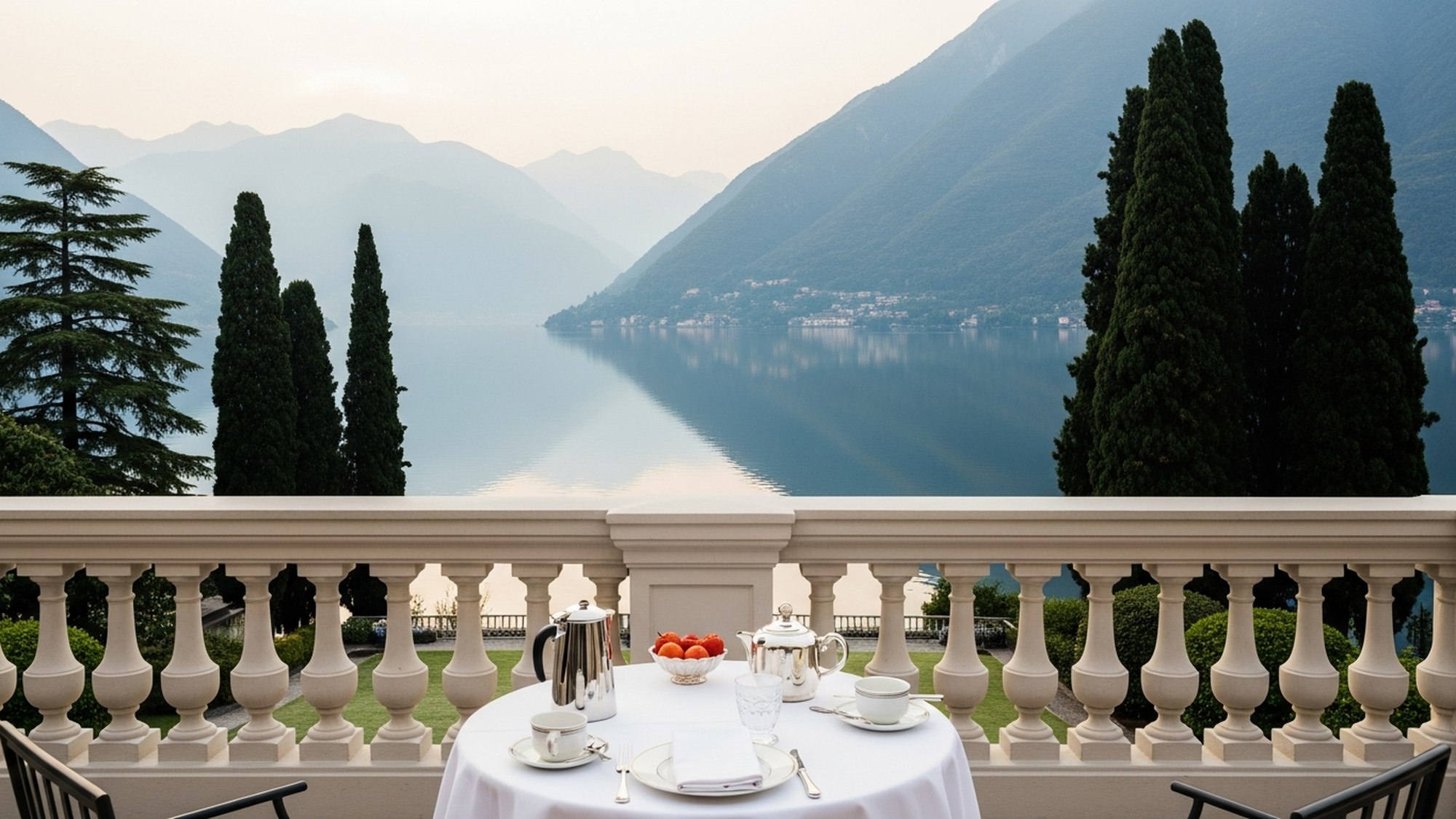
It also works for truly differentiated properties that offer something genuinely unique. This could be a historic estate with a story, a property with unparalleled architectural significance, a remote retreat with breathtaking views and absolute privacy, or a home designed with hyper-specific amenities like a professional-grade home theater, an indoor sports court, or a private spa. These properties aren't just large; they are destinations in themselves, offering an experience that cannot be easily replicated by standard inventory.
Furthermore, the segment still thrives for operators who commit to delivering an absolutely flawless, five-star guest experience. This means investing heavily in property management, proactive maintenance, and the aforementioned concierge services. These operators aren't just renting out space; they are curating a bespoke vacation or event for their guests. They understand that the repeat business, glowing reviews, and word-of-mouth referrals from a truly satisfied large group are invaluable, and they are willing to invest the time and money to earn them.
Niche markets, too, offer opportunities. Properties specifically designed and marketed for corporate retreats, wellness getaways, or highly specialized events (e.g., small weddings, chef's table dinners) can command premium prices from a targeted audience. These guests often have specific needs and higher budgets, and they value properties that cater precisely to their requirements. It's about understanding a very specific demographic and tailoring every aspect of the offering to them, rather than trying to be all things to all large groups.
The bottom line for hosts
If you're already in the large-group luxury segment, or considering entering it, the time for wishful thinking is over. The market has matured, and the competition is fierce. Here's what you need to do:
- Ruthlessly Evaluate Your Offering: Be brutally honest. Is your property truly 'luxury,' or just 'big'? Does it offer unique amenities or experiences that differentiate it from the growing sea of competition? If not, you need to either invest significantly to elevate your offering or adjust your pricing expectations downwards, sometimes dramatically.
- Deep Dive on Operations: Understand every single cost associated with running a large property – not just the mortgage, but the cleaning teams, the pool maintenance, the landscaping, the utilities, the minor repairs, the major capital expenditures for upkeep. Where can you optimize without sacrificing guest experience? Can you streamline your team coordination?
- Master Your Market Niche: Who is your ideal guest for this property? Is it corporate groups, multi-generational families, or specialized event organizers? Tailor your marketing, amenities, and communication specifically to that niche. Don't try to appeal to everyone; appeal powerfully to someone.
- Prioritize Guest Experience Above All: In a crowded market, exceptional service is your strongest weapon. Invest in high-quality linens, comfortable beds, robust internet, and fully stocked kitchens. Be proactive with communication, respond quickly to issues, and aim for five-star reviews every single time. Repeat bookings and referrals are gold.
- Stay Ahead of Regulations: Large properties are often the first target for new STR regulations. Stay informed about local ordinances, permit requirements, and tax changes. Budget for compliance costs and be prepared to adapt your operation if rules change. Ignorance is not an excuse, and it can be a costly one.
- Consider Professional Management: If the operational complexities are overwhelming, and you're not achieving the occupancy or rates you need, consider partnering with a professional property manager who specializes in large, luxury properties. Their expertise, economies of scale, and marketing reach might be the difference between sinking and swimming.
The era of easy money in the large-group luxury STR market is definitively over. This isn't a death knell for the segment, but a call to arms for hosts to get smarter, sharper, and more professional. The hosts who adapt, innovate, and truly understand the demanding nature of luxury hospitality for groups will not just survive, but thrive. The rest will find themselves holding expensive, empty properties, wondering where the gold went.
About this piece
An original expert-analysis column by the STR NEWS desk. Figures are illustrative of how the market behaves; confirm specifics for your own market before you act.



Read the desk every morning.
The day's crackdowns and platform moves, the money, the design and the stays going viral, plus the desk's verdict, in one short email every morning.