
When the Safety Net Snaps: Why Your STR Insurance Claim Got Denied
For too many short-term rental operators, the moment of crisis reveals a brutal truth: their insurance policy, the one they paid for, offers no protection. We expose the traps.
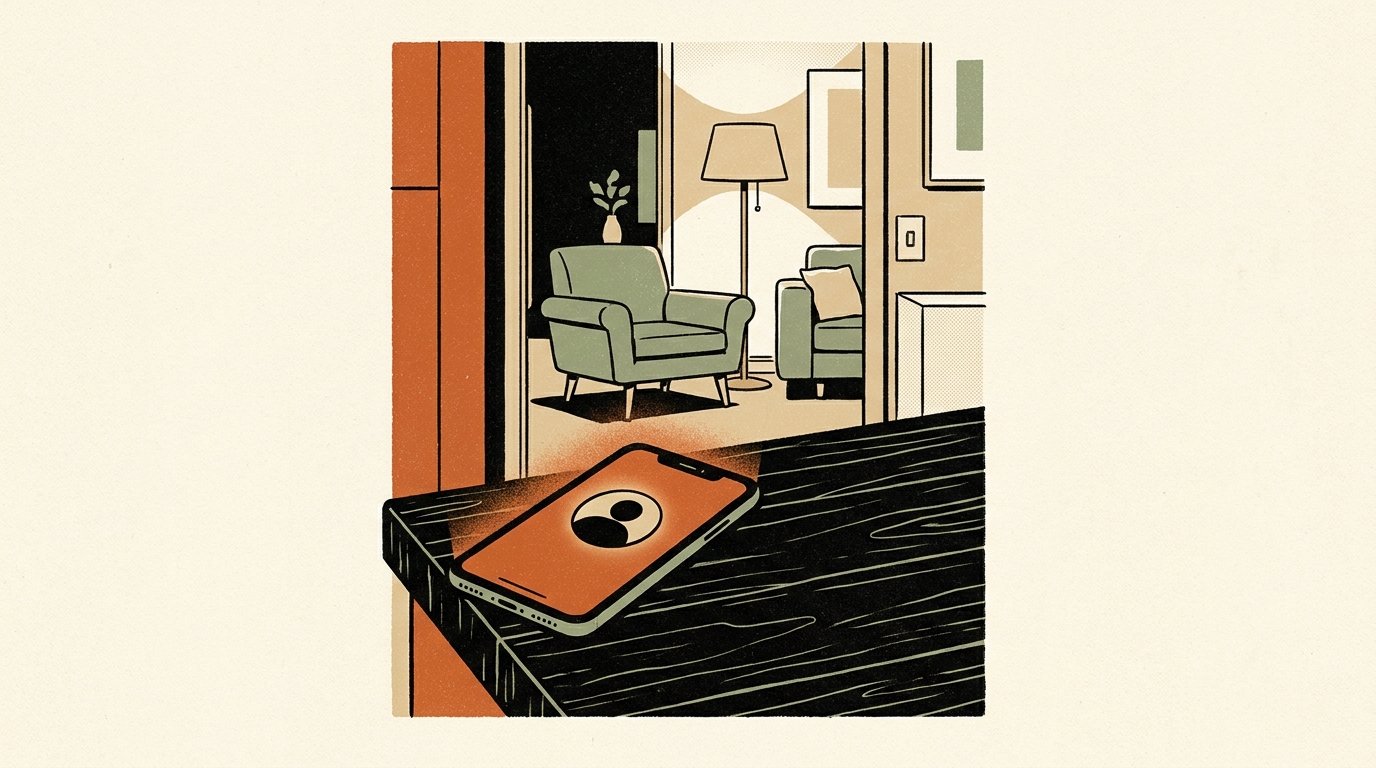
The phone rings. It's the moment every short-term rental host dreads: a guest has trashed the place, a pipe burst, or worse. You hang up, heart sinking, but then a flicker of relief. "It's okay," you tell yourself, "I have insurance." That relief, for countless hosts, is a lie. For far too many, the moment they finally call their carrier, expecting salvation, is the precise moment their entire business unravels.
The policy you thought was your safety net? It might just be a legal document meticulously designed to protect the insurer, not your bottom line. STR NEWS has spent years tracking the brutal realities of this industry, and few topics burn hotter in host forums than the cold, hard reality of a denied claim. When your revenue engine is reduced to splinters, water damage, or a regulatory shutdown, and the company you've paid faithfully for years says, "Sorry, you're not covered," that's not just a setback. It's a declaration of war on your entire operation.
The American short-term rental market, valued in the tens of billions, thrives on the entrepreneurial spirit of hosts. They navigate volatile markets, manage guest expectations, and obsess over occupancy rates and ADRs. But one critical area – insurance – remains a minefield, littered with policy exclusions, technicalities, and a fundamental mismatch between what hosts *think* they're buying and what carriers are actually selling. This isn't about malicious intent from insurers; it's about the inherent nature of risk assessment and the letter of the law in complex contracts. The gap between expectation and reality is where dreams die and businesses go bust. It's time to expose exactly how carriers deny claims, and, more importantly, how to close those gaps before disaster strikes.
The Personal Policy Poison Pill
Let's start with the most common and devastating mistake: relying on a standard homeowner's insurance policy for a short-term rental. This is a foundational error that has sunk more host operations than any market downturn or bad review ever could. A personal homeowner's policy is explicitly designed to cover a property that serves as your primary residence. Its very framework is built around the premise of owner-occupancy and the risks associated with that specific use case.
The moment you convert a portion or all of your home into a commercial enterprise, even for a single night, you fundamentally alter the risk profile. Suddenly, you have a revolving door of strangers, increased wear and tear, and a higher potential for liability claims from non-residents. Insurers are not stupid. They understand this shift, and their policies are meticulously drafted to exclude it. The most prevalent exclusion is often hidden under clauses related to "business pursuits," "commercial activity," or similar language. These clauses state, unequivocally, that if the property is used for commercial purposes, any claim arising from that use is null and void.
Imagine a scenario: a guest throws a party, damages the interior, and then slips on a wet floor, breaking an arm. You call your homeowner's insurer. Their first question, often asked during the initial claim assessment, will be about the property's use. "Is this your primary residence?" "Is it rented out?" The moment you admit to short-term rental activity, an alarm bell rings in their system. The adjuster, armed with the policy document, will quickly point to the "business pursuits" exclusion. Your claim for property damage? Denied. The guest's medical bills and potential lawsuit? Denied. Your entire investment, exposed and vulnerable.
This isn't a loophole; it's a feature of the policy. Insurers price their products based on actuarial data related to specific risk categories. A homeowner's policy is priced for a family living in a home, not for a hotel-like operation. The premiums are lower because the perceived risk is lower. Trying to force a commercial square peg into a personal insurance round hole is a surefire way to lose everything. Many hosts, especially those new to the game or operating a single unit, mistakenly believe that because they still live in the house part-time, or because it's "just a few weekends," they are covered. This is a dangerous fantasy. The definition of "business pursuits" is broad and typically covers any activity undertaken for monetary gain, regardless of frequency.
Some hosts attempt to bypass this by simply not telling their insurer. This is fraud. Misrepresenting material facts on an insurance application or during a claim investigation is grounds for immediate policy cancellation and criminal charges in some jurisdictions. It's a gamble with catastrophic odds, where the house — the insurance company — always wins.
The core takeaway here is stark: if you are earning income from renting out a property on a short-term basis, your standard homeowner's policy offers the illusion of safety, not actual protection. It is a ticking time bomb waiting for the first major incident to detonate.
Landlord Policies: A False Sense of Security
Once a host realizes the personal policy pitfall, the next common, but still inadequate, step is to upgrade to a traditional landlord policy. This seems logical on the surface. After all, you are a landlord, right? You are renting out a property. A landlord policy (also known as a dwelling fire policy, or rental dwelling policy) is designed for properties rented out on a long-term basis, typically with leases lasting six months or more. While it's a significant improvement over a homeowner's policy, it still falls short of truly protecting a short-term rental operation.
The primary coverage under a landlord policy typically includes property damage to the structure itself, often for perils like fire, wind, hail, and certain types of water damage. It also provides liability coverage for incidents that occur on the premises, usually excluding the tenant's negligence. Crucially, it typically includes loss of rental income if a covered peril makes the property uninhabitable for a long-term tenant.
Where do these policies fail STR hosts? Several key areas stand out:
- Occupancy Clauses: Many landlord policies contain "vacancy clauses." These clauses stipulate that if a property is vacant for an extended period (often 30, 60, or 90 days, depending on the policy), certain coverages, particularly for vandalism, malicious mischief, or water damage from frozen pipes, may be reduced or entirely voided. While an STR property might have guests frequently, there can be gaps between bookings, especially in off-season or during market downturns. An insurer could argue that a property between guests, or one that sits unbooked for several weeks, constitutes "vacancy" under the policy's terms, particularly if no one is physically residing there.
- Tenant vs. Guest Distinction: Landlord policies are built around the concept of a long-term tenant who has exclusive possession of the property and is responsible for its upkeep and security. A short-term guest, by contrast, is more akin to a hotel patron. The legal relationship is different, and the risks associated with transient occupancy are distinct. Damage caused by a long-term tenant might be covered differently than damage caused by a short-term guest, or a guest's visitor.
- Business Operations: While a landlord policy acknowledges rental activity, it doesn't typically encompass the full scope of a short-term rental business. This means it might not cover business interruption due to non-physical damage (e.g., a permit revocation), theft of guest property, specific commercial liability issues arising from guest services, or even certain types of vandalism that might be seen as "guest-induced" rather than a true external peril.
- Personal Property: Landlord policies usually cover only the landlord's property that is essential to the dwelling itself (e.g., appliances built into the kitchen). They rarely cover the extensive furnishings, electronics, linens, and decor that make up the vast majority of an STR's interior value. A traditional long-term renter brings their own furniture; an STR guest expects a fully furnished space. This is a huge gap in protection, leaving thousands, or tens of thousands, of dollars in assets completely uninsured.
The landlord policy is a step in the right direction, acknowledging income-generating rental activity. But it is designed for a fundamentally different operational model. It’s like trying to protect a boutique hotel with a duplex apartment policy. The underlying risk assessment, the premium structure, and the specific exclusions are not aligned with the unique demands and liabilities of a dynamic short-term rental business.
The policy you thought was your safety net might just be a legal document meticulously designed to protect the insurer, not your bottom line.
Platform Promises: A Shallow Pool of Protection
Many hosts breathe a sigh of relief, convinced they're covered, because of platforms like Airbnb's AirCover or Vrbo's liability protections. This is another critical area of misunderstanding that can lead to catastrophic denial. Let's be unequivocally clear: platform guarantees are NOT insurance. They are service agreements, terms of service, or contractual indemnifications offered by the platforms themselves, designed to mitigate risk for their users and protect their own ecosystem. They are not underwritten by a state-regulated insurance carrier, nor do they carry the same legal obligations and protections as a true insurance policy.
Consider Airbnb's AirCover for Hosts. It promises "$3M Host Liability Insurance" and "$1M Host Damage Protection." These figures sound impressive. But the devil, as always, is in the details – specifically, the terms and conditions that govern these protections. The "Host Liability Insurance" is indeed a legitimate liability policy underwritten by a third-party insurer (like Zurich or Generali), but it's often a secondary or excess policy, meaning it kicks in only after your primary insurance (if you have any) is exhausted or denied. More importantly, it has numerous exclusions. It often doesn't cover things like intentional acts, property damage from normal wear and tear, or certain types of professional negligence. It also typically excludes losses for things like mold, bed bugs, or loss of income.
The "Host Damage Protection" is even more distinct. It's essentially a form of self-insurance or a guarantee directly from Airbnb. It's not an insurance policy. This means Airbnb has significant discretion in how it processes claims, what it deems covered, and the amount it pays out. Hosts report common frustrations:
- Burden of Proof: The onus is entirely on the host to provide exhaustive documentation, often within extremely tight deadlines. Before-and-after photos, repair estimates, proof of ownership, communication logs – everything must be meticulously submitted. Failure to do so can result in immediate denial.
- Definition of "Damage": Platforms are very specific about what constitutes damage. Normal wear and tear, even accelerated by frequent guest turnover, is almost universally excluded. A scratched table, a stained rug from regular use, or a loose fixture might not be covered, even if it costs hundreds to repair or replace.
- Payout Caps and Deductibles (Effective): While the $1M figure sounds generous, individual item limits and various internal caps can significantly reduce actual payouts. The "deductible" here isn't an upfront payment, but often the platform's initial attempt to resolve the issue directly with the guest, or a portion of the claim they might not cover.
- Loss of Income: This is a critical gap. If guest damage makes your unit unrentable for weeks, causing significant lost revenue, platform protections typically do not cover this business interruption. For a host reliant on consistent bookings, this can be financially crippling.
- Claim Timelines: The process can be slow, arduous, and frustrating. Hosts report lengthy disputes, multiple submissions, and a lack of transparent communication, especially for larger claims.
Vrbo offers similar protections, structured as a "$1M Liability Insurance" policy (also secondary to a host's primary coverage) and a "Book With Confidence Guarantee" for property damage. The principles are similar: strict terms, high burden of proof, and numerous exclusions that differentiate them from comprehensive commercial STR insurance.
The critical difference between platform protections and a true insurance policy lies in regulation and recourse. Insurance companies are heavily regulated entities, subject to state laws that dictate fair claims practices, policy language, and dispute resolution. If an insurer unfairly denies a claim, there are regulatory bodies (like state departments of insurance) and legal avenues to pursue. Platform guarantees, by contrast, are contractual agreements. While you can certainly pursue legal action against a platform, the framework is different, and the terms of service you agreed to heavily favor the platform.
Relying solely on platform protections is like bringing a squirt gun to a house fire. They offer a certain level of basic protection, especially for smaller, clear-cut guest damage claims, but they are absolutely insufficient for major structural damage, significant liability claims, or the complex array of perils that can befall a commercial property. They are a helpful supplement, but never a substitute for dedicated STR insurance.
The Unseen Costs of Non-Compliance: Illegal Operations are Uninsurable
This is a brutal truth that many hosts simply don't want to hear: if your short-term rental is operating in violation of local laws, your insurance policy is likely worthless. This isn't a theory; it's a cold, hard fact rooted in the fundamental principles of insurance underwriting. Insurance contracts are based on legality and the insurer's assessment of risk within a compliant framework.
Across the country, cities and counties are grappling with STR regulations. From outright bans in places like Santa Monica to strict permitting systems in New York City, New Orleans, and numerous beach towns, the regulatory landscape is a patchwork. These regulations often dictate:
- Permit Requirements: Many jurisdictions require a special license or permit to operate an STR.
- Zoning Restrictions: Some areas are zoned residential-only, prohibiting commercial activity like STRs.
- Occupancy Limits: Rules on how many guests can stay per bedroom or per unit.
- Safety Regulations: Requirements for smoke detectors, carbon monoxide detectors, fire extinguishers, emergency exits, and specific building codes.
- Tax Collection: Mandates to collect and remit transient occupancy taxes or sales taxes.
- Good Neighbor Policies: Rules regarding noise, trash, and parking.
The moment an insurer discovers that your property was being operated illegally at the time of a loss, they have a powerful reason to deny the claim. This is often covered under clauses related to "illegal acts," "misrepresentation," or "violation of public policy." An insurer will argue, quite reasonably, that they underwrote a policy for a legally compliant operation. If you were breaking the law, you materially altered the risk, and thus, the contract is void.
Consider a host operating an STR without a required permit in a city with strict regulations. A fire breaks out, or a guest is severely injured. During the claim investigation, the insurer will undoubtedly check local records for permits. If none exist, or if the property is operating in a zone where STRs are prohibited, the claim is dead on arrival. They might even argue that the very act of operating illegally contributes to the increased risk of loss (e.g., if safety requirements for commercial lodging were not met). The structure could burn to the ground, and you'd be left with nothing but a mortgage and a pile of ashes.
This isn't just about major catastrophic events. Even a minor claim for guest damage could trigger an investigation into your operational legality. If your city has a "three strikes" rule for nuisance complaints against STRs, and you've ignored it, leading to a permit revocation, any subsequent loss could be grounds for denial. Furthermore, local governments themselves can impose massive fines for illegal operations, adding another layer of financial devastation.
The incentive for hosts to skirt regulations is often financial – avoiding permit fees, taxes, or the costs of upgrading a property to meet commercial safety standards. But these "savings" are a penny-wise, pound-foolish calculation. The cost of a denied insurance claim, the fines from the city, and the potential legal liabilities far outweigh any short-term financial gain. Compliance is not just about avoiding fines; it's about making your business insurable. An illegal STR is, by definition, an uninsured STR, regardless of the paper policy you hold. It's a house of cards waiting for the regulatory wind to blow it down.
The Anatomy of a Denial: Common Exclusions and Host Errors
Even with a dedicated STR insurance policy, hosts are not immune to claim denials. Policies are complex legal documents, and understanding their exclusions is paramount. These are the specific circumstances or types of damage that the policy explicitly states it will NOT cover. Overlooking these can be as financially devastating as having the wrong policy altogether.
- Wear and Tear: This is a universal exclusion in almost all property insurance policies. Insurance is designed to cover sudden, accidental loss, not the gradual deterioration of property through normal use. A frayed carpet, a leaky faucet that has been dripping for months, or fading paint are not covered. Hosts often struggle with this, particularly in high-turnover STRs where "normal wear and tear" happens much faster. Regular maintenance and capital expenditure for upkeep are operating costs, not insurable events.
- Lack of Maintenance/Neglect: Closely related to wear and tear, this exclusion targets losses that could have been prevented with reasonable upkeep. If a roof leak causes extensive water damage, but the roof was clearly old and in disrepair, the insurer might deny the claim, arguing neglect. Frozen pipes that burst because the heat was turned off in winter, or uncleaned gutters leading to foundation damage, are classic examples. The host has a duty to maintain the property.
- Specific Types of Water Damage: While many policies cover sudden pipe bursts, some exclude damage from floods (requiring separate flood insurance, often mandated by location), sewer backups (requiring a specific endorsement), or slow, gradual leaks that could have been detected. Reading the specific language around "water damage" is critical.
- Ordinance or Law Exclusions: This is a tricky one. If a covered peril (like a fire) damages your property, and local building codes now require expensive upgrades (e.g., sprinkler systems, enhanced electrical wiring) to rebuild, your policy might only cover the cost to rebuild to the *previous* code, leaving you on the hook for the difference. An "Ordinance or Law" endorsement is often needed to cover these additional costs.
- Earth Movement: Earthquakes, landslides, and sinkholes are almost universally excluded from standard property policies. Separate policies or endorsements are required for these perils. Many hosts in earthquake-prone areas mistakenly believe their standard policy covers temblors.
- Pest Infestations: Damage from termites, rodents, bed bugs, or other pests is generally excluded. These are considered maintenance issues or a normal business risk for lodging.
- Loss of Income (Specific Triggers): While a good STR policy will cover loss of income, it's typically tied to a *covered peril* making the property uninhabitable. If you lose bookings because of a local construction project, a city permit revocation (not related to physical damage), or a general market downturn, that lost income is not covered.
- Terrorism/War: While unlikely for most STRs, these are standard exclusions.
- Intentional Acts: Damage caused by you, a co-owner, or an employee intentionally is not covered.
Beyond exclusions, host errors frequently lead to denials:
- Delayed Reporting: Insurance policies mandate timely reporting of claims. Waiting weeks or months to report damage, especially if it worsens, can be grounds for denial. The insurer needs to investigate promptly.
- Insufficient Documentation: This is perhaps the biggest killer of claims. Before-and-after photos, detailed repair estimates, invoices for purchases, communication records with guests, police reports, and official documentation are all crucial. A claim based on "I think it was about this much" with no proof is easily denied.
- Misrepresentation: Any false statements or omissions on the application (e.g., not disclosing a previous claim, misstating the property's construction type, lying about safety features) can void the policy from its inception, even if the loss is unrelated.
- Failure to Mitigate Damages: After a loss, you have a duty to prevent further damage. If a pipe bursts and you do nothing to stop the water, the insurer might only cover the initial damage, not the subsequent, preventable destruction.
Understanding these potential denial triggers is not about being paranoid; it's about being prepared. It involves reading your policy, asking specific questions to your agent, and maintaining diligent records. The insurer's job is to pay valid claims, but also to protect against invalid ones. Your job is to ensure your claim is undeniably valid.
The True Cost of a Denial: Beyond the Repair Bill
A denied claim isn't just about the cost to fix a broken window or replace a damaged sofa. For an STR host, the financial ripple effects can be catastrophic, impacting every metric you rely on: occupancy, ADR, and RevPAR. This is where the true cost of inadequate insurance becomes starkly apparent, often wiping out years of hard-earned profits.
Consider a relatively common scenario: significant water damage from a burst pipe. Let's say the direct repair costs are $30,000 for drywall, flooring, and paint. If your insurance denies the claim, that's $30,000 out of pocket immediately. But that's just the start.
- Loss of Rental Income: While repairs are underway, your property is offline. For a damage requiring extensive remediation, this could mean weeks, even months. Imagine a property that typically generates an average daily rate (ADR) of $250 and enjoys an 80% occupancy rate. Over a 60-day repair period, that's potentially $250 x 0.80 x 60 = $12,000 in lost revenue. This is pure profit you're not making, and it's a direct hit to your cash flow and annual RevPAR. For many hosts, this lost income is the difference between profitability and struggling to pay the mortgage.
- Alternative Accommodation Costs: If the damage occurred while guests were in residence, you might be legally or ethically obligated to rehouse them, potentially covering the cost of their stay elsewhere. This can quickly add hundreds, even thousands, to your expenses. While some platform guarantees might offer limited help here, a denied insurance claim leaves you fully exposed.
- Brand and Reputation Damage: Forcing guests to move, or having to cancel bookings en masse, can lead to negative reviews. In the STR world, reputation is everything. A string of bad reviews or cancellations due to property issues can severely impact future bookings and pricing power, taking months or even years to recover from. Your listing could be suspended.
- Management Fees and Operational Overhead: Even when empty, you still have fixed costs: mortgage, property taxes, utilities, and potentially management fees (if you use a co-host or property manager). These continue to accrue even with zero income, deepening the financial hole.
- Legal Fees: If the damage involves a guest injury, or if you decide to dispute the insurance denial, legal fees can quickly mount, adding another layer of unbudgeted expense.
- Increased Future Premiums: Even if a claim is paid, it can sometimes lead to increased premiums upon renewal, especially if you've had multiple claims. A denied claim, while not counting against your payout record, reveals a historical incident that insurers track.
- Stress and Time: Beyond the monetary costs, the emotional toll and time commitment required to manage repairs, guest relations, and insurance disputes can be immense. For hosts juggling multiple properties or a full-time job, this can be overwhelming.
The calculation is simple: a typical STR property might generate a net profit margin of 15-25% after all expenses (mortgage, utilities, cleaning, supplies, platform fees, taxes, etc.). A $30,000 uninsured loss, combined with $12,000 in lost income, is a $42,000 hit. To recover that, assuming a 20% profit margin, you'd need to generate an additional $210,000 in gross revenue. That could take years of flawless operation, completely negating any profits made during that period. For a new host, or one with tight margins, a single major denied claim is often enough to force them out of the business entirely, potentially leading to foreclosure if they can't cover the mortgage and repair costs simultaneously.
This isn't just about being unlucky. It's about fundamentally misunderstanding the risk. The perceived "savings" of a cheaper, inadequate policy vanish instantly when a major incident occurs. The true cost of a denial extends far beyond the immediate repair bill; it threatens the very viability of your STR business.
Specialized STR Insurance: The Only Real Game in Town
By now, the message should be clear: homeowner's and traditional landlord policies are fundamentally ill-suited for the unique risks of short-term rentals, and platform guarantees are not a substitute for robust insurance. The only truly viable solution for serious STR hosts and managers is a specialized short-term rental insurance policy. These policies are specifically designed to cover the unique liabilities and property risks associated with commercial transient occupancy.
What distinguishes a dedicated STR policy, and what should you look for?
- Commercial Intent: These policies acknowledge that your property is being used as a business. They don't have "business pursuits" exclusions.
- Comprehensive Liability: They offer robust liability coverage specifically for commercial operations, protecting against guest injuries, property damage caused to third parties, and even professional negligence claims related to your hosting activities. This is often the most critical component, as liability claims can reach astronomical figures.
- Vacant Property Provisions: Recognizing the inherent gaps between bookings, these policies are designed to cover properties even when they are temporarily unoccupied between guests, often without the restrictive vacancy clauses found in landlord policies.
- Contents Coverage: Crucially, a good STR policy will cover the furnishings, electronics, appliances, and all other personal property that makes your rental appealing and functional. This includes both damage and theft, with options for actual cash value or replacement cost coverage.
- Loss of Income/Business Interruption: This is a non-negotiable feature. If a covered peril (fire, major storm, significant guest damage) makes your property uninhabitable, the policy should cover the lost rental income for a specified period, allowing you to stay afloat during repairs. Some policies even offer coverage for non-physical damage business interruption, though this is less common and often requires specific endorsements.
- Guest-Caused Damage: While platform guarantees offer some recourse, a dedicated policy provides a more formalized and often more comprehensive pathway for damage caused by guests, their visitors, or even pets.
- Specific Endorsements: These policies often allow for a wide range of endorsements to tailor coverage, such as flood insurance, sewer backup, ordinance or law coverage, and sometimes even specific coverage for bed bugs or other unique STR challenges.
- Cyber Liability: In an increasingly digital world, some advanced policies offer protection against data breaches if you collect guest information or process payments.
The cost of these specialized policies will be higher than a homeowner's or landlord policy. This is simply the cost of doing business correctly and reflecting the higher risk profile. Premiums will vary based on location, property value, claim history, and the specific coverages chosen. However, this premium is an investment in your business's longevity and stability, not an expense to be cut. It should be factored into your pricing strategy, just like cleaning fees, platform commissions, and property taxes.
Finding a specialized STR insurer requires working with agents who understand the industry. Many national carriers now offer specific STR products, and a growing number of niche insurers specialize solely in this market. Do your homework. Compare quotes, understand the fine print, and ask pointed questions about exclusions, deductibles, and claim procedures. Don't just look at the price; look at the breadth and depth of coverage.
For multi-property owners or those with significant assets, an umbrella policy is also a wise consideration. This provides additional liability coverage above and beyond the limits of your primary STR policy, offering an extra layer of protection against major lawsuits. It's a small premium for potentially millions in added peace of mind.
In the high-stakes world of short-term rentals, proper insurance isn't a luxury; it's the foundation upon which your entire enterprise rests. Ignoring it, or opting for inadequate coverage, is a calculated risk that far too often results in financial ruin.
The bottom line for hosts
The short-term rental industry is dynamic, lucrative, and fraught with peril. The dream of passive income can quickly become a nightmare if you're not properly protected. When it comes to insurance, ignorance is not bliss; it's a direct path to financial ruin. Carriers are not evil entities, but they are businesses operating under strict contractual obligations, and they will always default to the letter of the policy. Your job, as a shrewd business owner, is to ensure that letter is on your side.
Here's what every host and property manager must do:
- Ditch Inadequate Policies NOW: If you're using a homeowner's or traditional landlord policy for an STR, stop. You are exposed. Immediately. Get quotes for specialized STR insurance. This isn't optional; it's fundamental.
- Understand the Difference: Recognize that platform protections (AirCover, Vrbo's guarantees) are helpful but are not comprehensive insurance. They have limits, exclusions, and a claims process that differs significantly from a regulated insurer. They are a supplement, not a substitute.
- Read Your Policy. Seriously: Do not just file it away. Read every page, especially the exclusions section. Understand what is covered and, more importantly, what is NOT. If you don't understand a clause, ask your agent to explain it in plain English until you do.
- Declare Your Activity: Be 100% transparent with your insurance provider about your property's use as a short-term rental. Any misrepresentation is grounds for denial, and potentially fraud.
- Ensure Local Compliance: Operating legally is non-negotiable. Obtain all necessary permits, licenses, and adhere to local zoning and safety regulations. An illegal operation is an uninsurable operation. Check your city and county ordinances.
- Document, Document, Document: For every claim, you will need proof. Take extensive "before" photos and videos of your property, its contents, and any existing conditions. Maintain meticulous records of guest communications, maintenance performed, and all receipts for repairs or replacements. After an incident, photograph and document every detail of the damage immediately. The burden of proof is always on you.
- Review Annually with a Specialist: Work with an insurance agent who truly understands the STR market. Review your policy annually. Property values change, inventory changes, and risks evolve. Ensure your coverage limits are adequate for replacement costs, not just market value.
- Consider Umbrella Coverage: For significant assets or multiple properties, an umbrella liability policy provides an extra layer of protection against major lawsuits, extending above your primary STR policy limits.
The STR market is a high-reward, high-risk environment. The rewards are tangible, but the risks are equally real and potentially devastating. Don't let a moment of crisis reveal the trap door in your financial safety net. Be proactive. Be informed. Be covered. Your business depends on it.
About this piece
An original expert-analysis column by the STR NEWS desk. Figures are illustrative of how the market behaves; confirm specifics for your own market before you act.

Read the desk every morning.
The day's crackdowns and platform moves, the money, the design and the stays going viral, plus the desk's verdict, in one short email every morning.