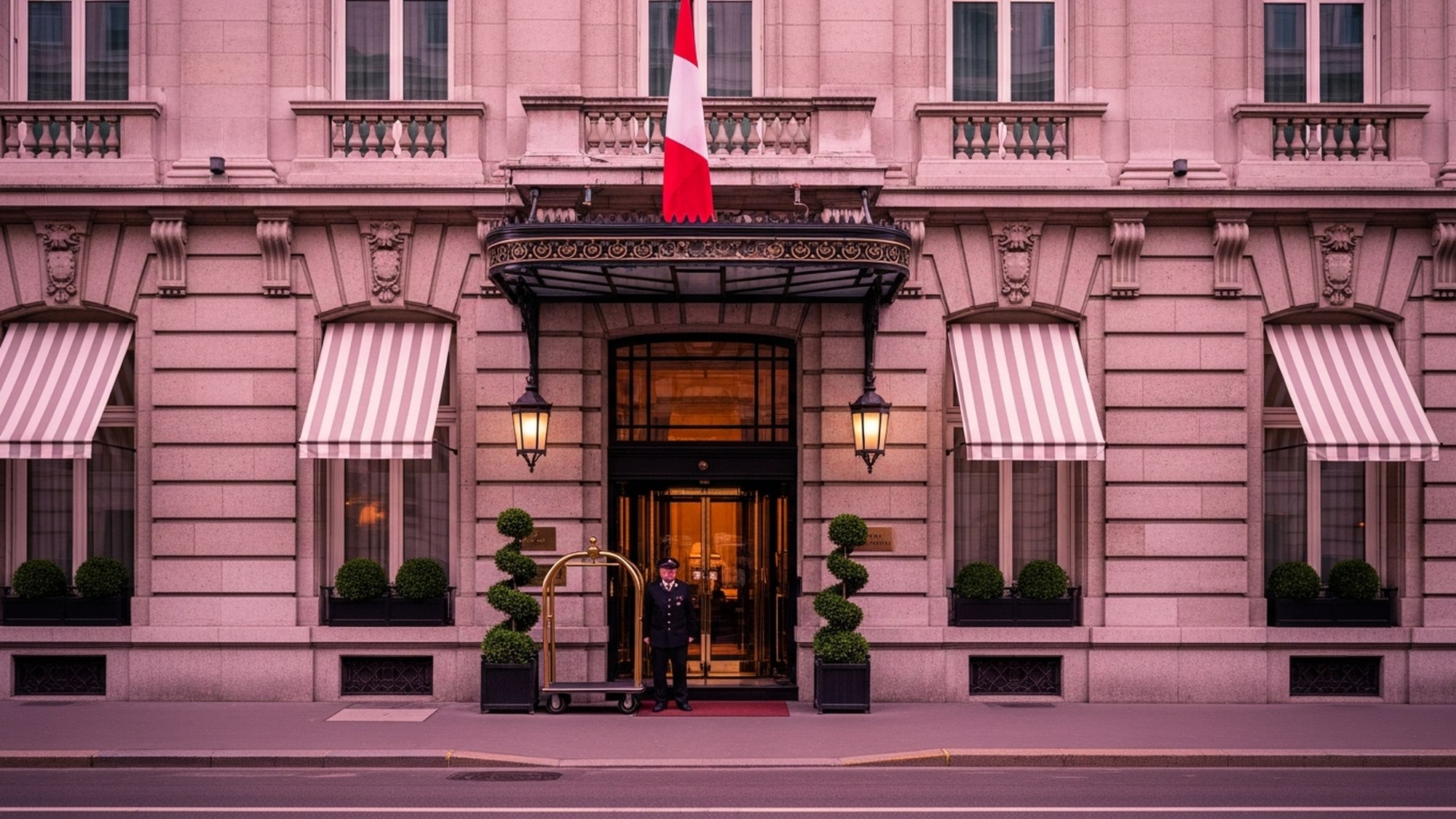
The digital shelf where hosts built their businesses is undergoing a fundamental transformation. Airbnb has brought 3,939 boutique and independent hotels onto its platform under a specialized format, supported by a lower take rate of roughly 13 percent and three former Booking.com executives. At the same time, platforms are turning search into an auction. Vrbo has introduced pay-per-booking sponsored listings, where early pilot partners recorded 40 percent booking growth and a 39 percent revenue jump, feeding an Expedia advertising operation that reached 197 million dollars in the first quarter. With Airbnb chief executive Brian Chesky projecting that sponsored listings could unlock 1 billion dollars in high-margin revenue, organic rank alone is no longer guaranteed to deliver eyes to independent properties.
This push toward corporate inventory and monetization coincides with mounting legal and regulatory pressures across major markets. In the Dominican Republic, a wrongful death lawsuit filed against Expedia Group and Vrbo over a fatal fire that took four lives from a Massachusetts family alleges systemic failure to enforce platform fire-safety rules. Meanwhile, municipal authorities continue to squeeze traditional non-hosted operators. In New South Wales, Byron Shire is enforcing a 60-day annual cap on non-hosted properties, even while hosted units remain unrestricted and business groups warn of heavy losses in visitor spending. In Canada, federal policies now deny tax expense deductions to non-compliant operators, prompting entrepreneur Mandy Rennehan to donate a high-end rental property in Nova Scotia directly to Souls Harbour Rescue Mission. In Munich, strict local housing laws under the Zweckentfremdungssatzung keep available housing stock restricted during Oktoberfest 2026, forcing a standoff where late-booking festival visitors pay record-breaking average daily rates despite a slower booking pace.
The read hosts should take from this week is that the digital shelf is dividing. Relying on default placement on major platforms now exposes operators to paid auctions and competition against corporate hotel inventory. Running a resilient business demands total operational discipline. For themed retro rentals, that means navigating insurance rules that prohibit ungrounded vintage appliances and absorbing cleaning times that run twenty to thirty percent longer per turn. For everyday stays, it means protecting platform review scores with baseline standards like 500 to 600 GSM towels, dedicated makeup cloths that cut staining by up to 50 percent, and 1800-watt hair dryers. Emerging artificial intelligence booking agents like Instinct, valued at 2.5 billion dollars, are already engineered to disregard paid placements and prioritize direct bookings.
Next week, the desk is watching the legal fallout from the Dominican Republic litigation against Vrbo and Expedia, the market shifts in New South Wales as the Byron Shire cap takes effect, and the continued rollout of sponsored search tiers across the platforms. The window where an unoptimized listing could float by on organic algorithmic momentum is closing. We will track how hosts adapt to the squeeze.

 Platforms