
Airbnb Unleashes the AI Kraken: Are Hosts Ready for the Algorithmic Overlords?
Brian Chesky's AI gambit sent Airbnb stock soaring. But for hosts, this isn't just about faster tech. It's about a fundamental power shift, a new battle for control, and a future where the machine knows more about your b
The market roared. Airbnb's stock rocketed 15% in a single day, a triumphant surge fueled by an earnings beat that thrilled Wall Street. But the real headline, the one that should send a shiver down the spine of every independent host, every property manager, every small investor in this industry, came from the top: CEO Brian Chesky confirmed Airbnb will spend “a lot more” on artificial intelligence. This wasn't some casual mention. This was a declaration of war, a signal flare in the silent, escalating battle for who truly controls the short-term rental experience.
Forget the polite platitudes about enhancing efficiency or making hosting easier. When a tech giant like Airbnb pours 'a lot more' capital into AI, it's not a philanthropic gesture. It's a strategic move designed to consolidate power, optimize revenue streams for the platform, and, inevitably, reshape the operational landscape for everyone else. This isn't just an upgrade; it's a fundamental re-architecture of the very foundation upon which millions of livelihoods are built. The machine is coming for your bookings, your pricing, your guest interactions. And it's coming hard.
For years, STR NEWS has tracked the slow creep of platform influence. We've watched as "smart tools" became mandatory, as algorithms began to whisper in the ear of every host, guiding their decisions, shaping their calendars, nudging their prices. Now, the whisper is about to become a roar. The era of genuine human discretion, the subtle art of hosting, is facing its biggest threat yet. The question isn't if AI will change your business; it's whether you'll be able to recognize it when it's done.
The Platform Pivot: AI As A Weapon
The news from CNBC was stark: Airbnb's earnings beat sent its stock climbing, and Chesky's commitment to increased AI spending was a key takeaway from the report. For the uninitiated, this might sound like standard tech-company boilerplate. Every CEO talks about AI these days. But for Airbnb, a company that has, over its history, shown an uncanny ability to leverage technology to its strategic advantage – often to the detriment of its original, independent host base – this is different. This is a pivot, not just an investment.
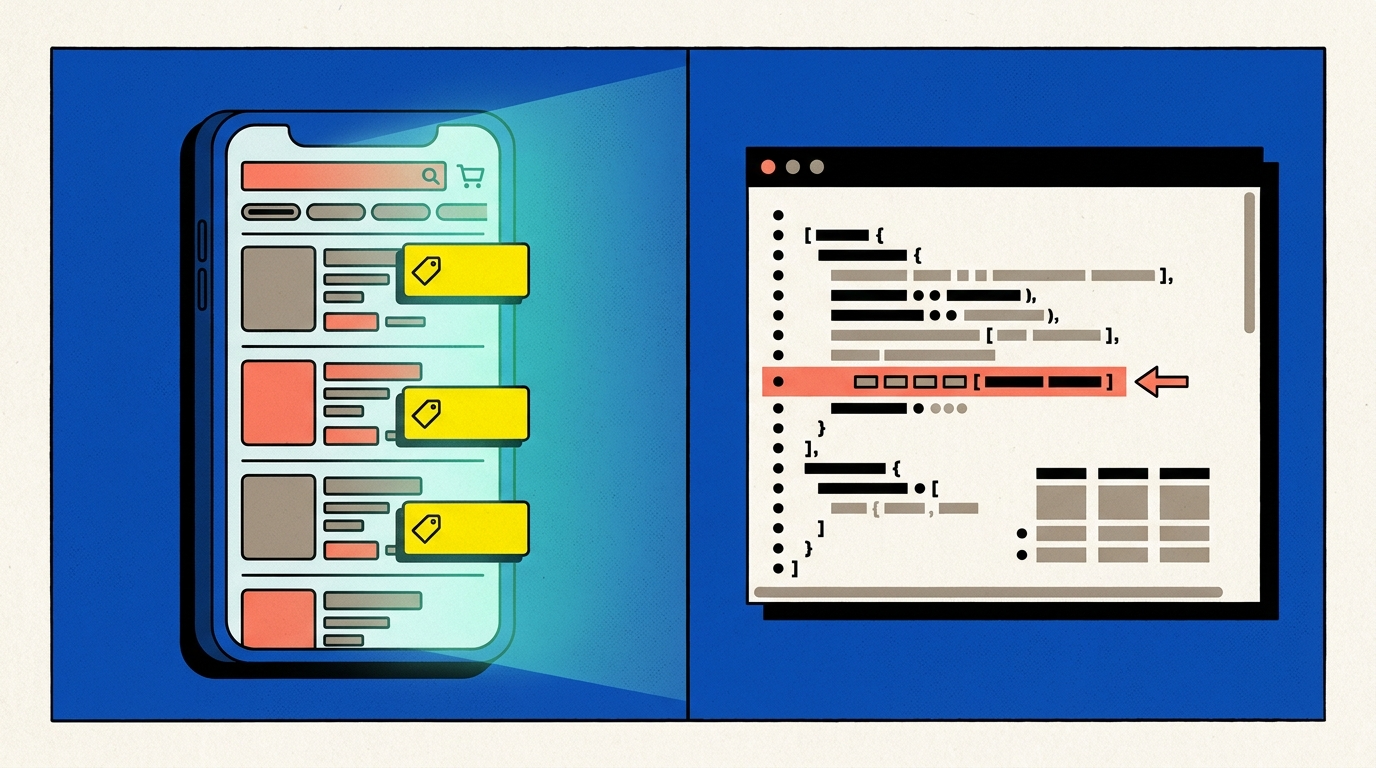
What does "AI" actually mean in the context of a short-term rental platform that facilitates millions of transactions globally? It's far more than just a customer service chatbot. Think deeply integrated, predictive analytics. Think hyper-personalized guest experiences. Think dynamic pricing models that react not just to local demand, but to micro-trends, weather patterns, social media sentiment, and even individual guest browsing history across the entire internet. This is about creating a perfectly optimized marketplace, a frictionless engine designed to extract maximum value from every single interaction. And the value, inevitably, flows upwards, to the platform itself and its shareholders.
Historically, Airbnb has evolved from a simple peer-to-peer listing service to a sophisticated, global hospitality operator. The early days of "strangers on a couch" gave way to a professionalized industry, attracting massive investment and property management firms. Throughout this evolution, Airbnb has consistently introduced features and policies that, while often framed as beneficial for hosts, ultimately serve to centralize control and data. From the introduction of professional photography services to mandated cancellation policies, and from "smart pricing" suggestions to platform-driven booking windows, each innovation has slowly chipped away at the independent host's autonomy. AI, in this context, is not just another chip; it's a jackhammer.
The Silent War for the Host's Wallet
AI isn't free. Developing and deploying these sophisticated systems requires immense capital, talent, and computational power. So, who pays for this massive investment? While shareholders reap immediate rewards from surging stock prices, the long-term cost will inevitably be borne by the hosts themselves. This isn't direct invoicing, of course. It's far more insidious.
The platform's business model is built on taking a percentage of every booking. The more bookings, the higher the average daily rate, the more revenue for Airbnb. AI's primary function, from the platform's perspective, will be to maximize these metrics. This means making listings more attractive (through AI-generated descriptions, photo suggestions, or amenity recommendations), making pricing more competitive (through hyper-dynamic adjustments), and making the booking process smoother (through AI-driven guest communication and support). Every efficiency gained, every incremental increase in conversion rate, translates directly into more revenue for the platform.
But what does it mean for the host? It means less control over your own pricing strategy, less unique identity for your listing, and potentially less direct interaction with your guests. If AI can predict the optimal price, suggest the perfect description, and even handle initial guest inquiries, the host's role can become increasingly commodified, reduced to managing the physical property and ensuring compliance. The value of your unique local knowledge, your personal touch, your intuition about your market – these elements are harder for an algorithm to quantify, and thus, harder for the platform to prioritize when it's chasing pure optimization. The silent war for the host's wallet is fought not with direct fees, but with the subtle erosion of leverage and the increasing reliance on platform-dictated intelligence.
The Ghost in the Machine: How AI Rewrites Hosting
Let's get concrete about what AI will actually do to your operation. This isn't science fiction; many elements are already being trialed or are imminent deployments across the industry, not just on Airbnb.
- Hyper-Dynamic Pricing: Forget basic smart pricing. AI will integrate real-time events, local sentiment, competitor availability, weather forecasts, flight prices, even news cycles, to adjust your nightly rate by the minute. It will identify micro-peaks and troughs in demand that no human could possibly track. While this could theoretically boost revenue, it also means surrendering complete control over your pricing strategy, and potentially fueling a race to the bottom in saturated markets if every listing is algorithmically optimized to undercut the next. The platform, through its superior data visibility, will always have an edge, ensuring its cut is maximized.
- Algorithmic Listing Optimization: Your photos, your descriptions, your amenities list – AI will analyze millions of successful bookings to suggest the "perfect" combination for maximum conversion. It might recommend cropping photos differently, suggest specific keywords for your description, or even prompt you to add a seemingly minor amenity that a particular guest demographic consistently searches for. The positive spin is better visibility. The downside is homogenization. Listings could start to look and sound identical, eroding the unique charm and local flavor that many independent hosts pride themselves on.
- Automated Guest Communications: AI chatbots are already common for initial inquiries. This will expand dramatically. Pre-arrival instructions, common troubleshooting, local recommendations, even some aspects of conflict resolution could be handled by an AI. This promises to save hosts time, but it also removes the personal touch. Guests seeking genuine connection, or those with complex issues, might find themselves increasingly frustrated by algorithmic responses, while hosts lose a vital channel for building rapport and reputation.
- Predictive Maintenance and Operations: Imagine an AI that analyzes booking patterns, local weather, and historical maintenance data to predict when your HVAC system is likely to fail, or when your pool needs a chemical treatment. It could even automate scheduling with local service providers. This sounds incredibly efficient. But it also means the platform gains deeper insight into your operational costs and processes, potentially allowing it to offer competing services or further dictate preferred vendors.
- Regulatory Compliance Monitoring: This is a big one. AI can scan local ordinances, cross-reference them with your listing details (occupancy limits, noise sensors, permitted rental periods), and automatically flag or even delist properties that appear non-compliant. For cities, this is a powerful enforcement tool. For platforms, it's a way to de-risk their operations from regulatory backlash. For hosts, it's another layer of algorithmic oversight, potentially leading to arbitrary delistings or fines based on data analysis rather than human investigation.
The Historical Precedent: How Platforms Eat Industries
If you think this is unique to short-term rentals, you haven't been paying attention. The pattern is as old as the internet itself, accelerating with the rise of the platform economy. Uber didn't just disrupt the taxi industry; it fundamentally reshaped the economics of personal transportation, making drivers contractors, not employees, and using algorithms to dictate fares and routes. Amazon didn't just sell books online; it built a retail empire that dictates terms to suppliers, controls logistics, and leverages data to crush competitors. Google didn't just organize information; it became the gatekeeper to the internet, shaping what billions see and don't see.
Airbnb's journey follows a similar trajectory. It started as a disruptor, empowering individuals to monetize spare space. It built a network effect, creating a vast marketplace. Then, it began to professionalize, attracting institutional money and larger operators. Now, with AI, it is moving into the control phase. The platform, armed with unparalleled data and predictive power, is no longer just a marketplace; it is attempting to become the central nervous system of the entire industry. It wants to optimize every variable, from guest acquisition to property maintenance, making itself indispensable at every step.
Think back to the early days of "Smart Pricing" tools. They were pitched as a helpful way for hosts to maximize earnings with minimal effort. But they also subtly conditioned hosts to accept algorithmically determined rates, gradually eroding their confidence in setting their own prices. Then came the shift in search algorithms, favoring listings that met certain platform criteria. The introduction of specific host service fees and guest service fees, which have evolved over time, further illustrates the platform's ability to adjust its take based on market conditions and its perceived value. Each step, incrementally, shifted power and data leverage from the host to the platform. AI is not a new direction; it is merely the logical, hyper-accelerated culmination of this existing strategy.
The Money Trail: Who Gets Rich, Who Gets Squeezed
The immediate winners of this AI arms race are obvious: Airbnb's shareholders. A 15% stock surge after an earnings beat and a strong AI commitment speaks volumes. The market believes that this investment will yield significant returns, primarily by increasing booking volume, optimizing revenue per booking, and reducing operational costs for the platform. This is the capitalist engine at work, efficient and ruthless.
For large property management companies with hundreds or thousands of units, the picture is more nuanced. On one hand, sophisticated AI tools could be a godsend. Imagine automating guest communication across thousands of properties, optimizing pricing for an entire portfolio with minimal human input, or predicting maintenance needs before they become emergencies. This could lead to significant labor cost savings and operational efficiencies. These operators, already highly professionalized, are better positioned to integrate and leverage AI tools provided by the platforms, or even develop their own proprietary AI solutions to compete effectively. They have the scale and the capital to adapt.
But even for these larger players, there's a catch. The more they rely on platform AI, the more deeply embedded they become in the platform's ecosystem. Their data becomes a key input for the platform's algorithms, potentially giving the platform an even greater advantage in understanding and optimizing the market. This could lead to a situation where the platform, armed with insights derived from its partners' operations, begins to dictate terms more aggressively, knowing how essential its tools have become. It's a Faustian bargain: efficiency for increased dependency.
The real squeeze, however, will be felt most acutely by the small, independent host, the individual property owner, and the mom-and-pop operators who form the backbone of the STR industry. These are the hosts who often rely on their local knowledge, their personal touch, and their unique property features to stand out. They don't have the resources to invest in their own AI infrastructure, nor do they have the scale to negotiate favorable terms with the platforms. When platform AI optimizes for efficiency and price, it often does so by prioritizing metrics that favor standardized, easily scalable operations.
Consider a host with a charming, quirky property in a less-trafficked neighborhood. Their success often depends on attracting specific guests looking for a unique experience, willing to pay a premium for personality. If AI-driven search algorithms prioritize listings based on broad appeal, price competitiveness, and instant book availability – metrics that favor more generic, higher-volume properties – these unique listings could be pushed down in search results. Their distinctive qualities, which are hard for an algorithm to quantify as "optimal," might be devalued. This drives a "race to the bottom" for pricing, where the human element of hosting becomes a cost center rather than a value differentiator.
When a tech giant like Airbnb pours 'a lot more' capital into AI, it's not a philanthropic gesture. It's a strategic move designed to consolidate power, optimize revenue streams for the platform, and, inevitably, reshape the operational landscape for everyone else.
The Unspoken Costs: Data, Privacy, and Control
At the heart of every AI system is data. Lots and lots of data. Airbnb has accumulated an unprecedented trove of information: guest search patterns, booking histories, demographic profiles, host performance metrics, pricing data across millions of listings, reviews, messages, and even photos. This data is the oil that fuels the AI engine, and with every new AI investment, the value of this data – and the company's ability to leverage it – skyrockets.
This raises profound questions about privacy and ownership. When an AI suggests an optimal price for your listing, what data points is it considering? Is it just market demand, or is it also factoring in the browsing habits of your past guests, or perhaps even broader economic indicators gathered from other sources? When an AI optimizes your listing description, is it using insights derived from millions of other hosts' content? Who owns these insights? Does the host, who provides the original content and is the subject of much of the data, have any claim to the algorithmic improvements or the value generated from their data?
For guests, the implications are equally significant. Hyper-personalized recommendations, dynamic pricing that changes based on their perceived willingness to pay, and even AI-driven communication could feel intrusive or manipulative. The line between helpful suggestion and subtle coercion blurs when an algorithm knows more about your preferences and budget than you might even realize yourself.
But perhaps the greatest unspoken cost for hosts is the erosion of control. If an AI is making your pricing decisions, optimizing your listing content, handling your guest communications, and even suggesting maintenance schedules, where does your agency as a business owner go? You become an operator of a machine, a cog in a larger, algorithmically managed ecosystem. Your entrepreneurial spirit, your ability to adapt creatively to market changes, your personal brand – these are increasingly subsumed by the platform's overarching AI strategy. The decisions are made not by you, but by an opaque algorithm designed to serve the platform's bottom line. This isn't just about convenience; it's about the fundamental nature of ownership and control in the digital economy.
The Host's Counter-Strategy: Diversify or Die?
So, faced with the impending algorithmic tidal wave, what's a host to do? Retreat is not an option. Ignoring it is professional suicide. The only viable path is proactive adaptation and strategic diversification. This is not about fighting AI with AI on your own scale – that's a losing battle for most. It's about recognizing what AI *cannot* do, and doubling down on those uniquely human elements.
First, **diversify your distribution channels.** Relying solely on one platform, especially one investing heavily in AI to centralize control, is akin to building your house on quicksand. Explore direct booking websites, leverage social media, cultivate repeat guests through email lists, and consider niche booking sites that cater to specific types of travelers (e.g., glamping, luxury, pet-friendly). Building your own brand and direct relationship with guests provides an essential hedge against platform volatility and algorithmic shifts.
Second, **emphasize the irreplaceable human element.** If AI is optimizing for efficiency and standardization, your differentiator must be authenticity, personal connection, and unique experiences. Can you offer local tours, cooking classes, or personalized recommendations that an AI cannot? Can you create a truly memorable welcome experience or go the extra mile in communication that builds genuine loyalty? What specific, non-replicable value do you provide that goes beyond a clean bed and a good location? This is where your personal brand, your reputation, and your ability to foster genuine guest relationships become paramount.
Third, **invest in your own independent data and tools.** While you can't build your own Airbnb-scale AI, you can subscribe to independent data analytics services like AirDNA to understand market trends beyond what the platform tells you. Use independent channel managers, property management systems, and pricing tools that give you more control and visibility, rather than relying solely on platform-provided solutions. This allows you to retain ownership of your data and make informed decisions, rather than blindly following algorithmic dictates.
Fourth, **stay informed and connect with your peers.** The STR NEWS group chats aren't just for griping; they're vital intelligence networks. Share strategies, discuss challenges, and collectively push back against policies that unfairly disadvantage hosts. There is strength in numbers, and a united front of informed hosts can still influence platform decisions, or at least help each other navigate the choppy waters.
The era of AI in short-term rentals is not just coming; it's here, and Airbnb's latest earnings call makes that unequivocally clear. The choice for hosts is not whether to engage with it, but how. Will you be a passive recipient of algorithmic commands, or an active participant in shaping your own future?
The bottom line for hosts
The message is unambiguous. Airbnb's significant investment in AI, heralded by a stock surge, marks a pivotal moment for the short-term rental industry. For you, the host, it means an accelerated shift towards an algorithm-driven operational model that will impact everything from your pricing to your guest interactions. Here's what you need to do, right now:
- Build Your Brand Beyond the Platform: Start a direct booking website, cultivate social media presence, and collect guest emails. Don't let your business identity be solely defined by an Airbnb listing.
- Diversify Distribution: List on multiple platforms (Vrbo, Booking.com, niche sites) to reduce single-platform dependency. Spread your risk.
- Double Down on Unique Experiences: If AI is standardizing, you need to emphasize what makes your property and your service truly special. Offer local insights, personalized touches, and memorable moments AI can't replicate.
- Invest in Independent Tools: Utilize third-party channel managers, pricing tools, and analytics services that give you more control and data ownership. Don't rely solely on the platform's offerings.
- Stay Informed and Connected: Read STR NEWS. Join host groups. Understand the evolving tech landscape and share strategies with your peers. Knowledge is power.
Source
CNBC — reported August 7, 2026. Read and analyzed by the STR NEWS desk.




Read the desk every morning.
The day's crackdowns and platform moves, the money, the design and the stays going viral, plus the desk's verdict, in one short email every morning.