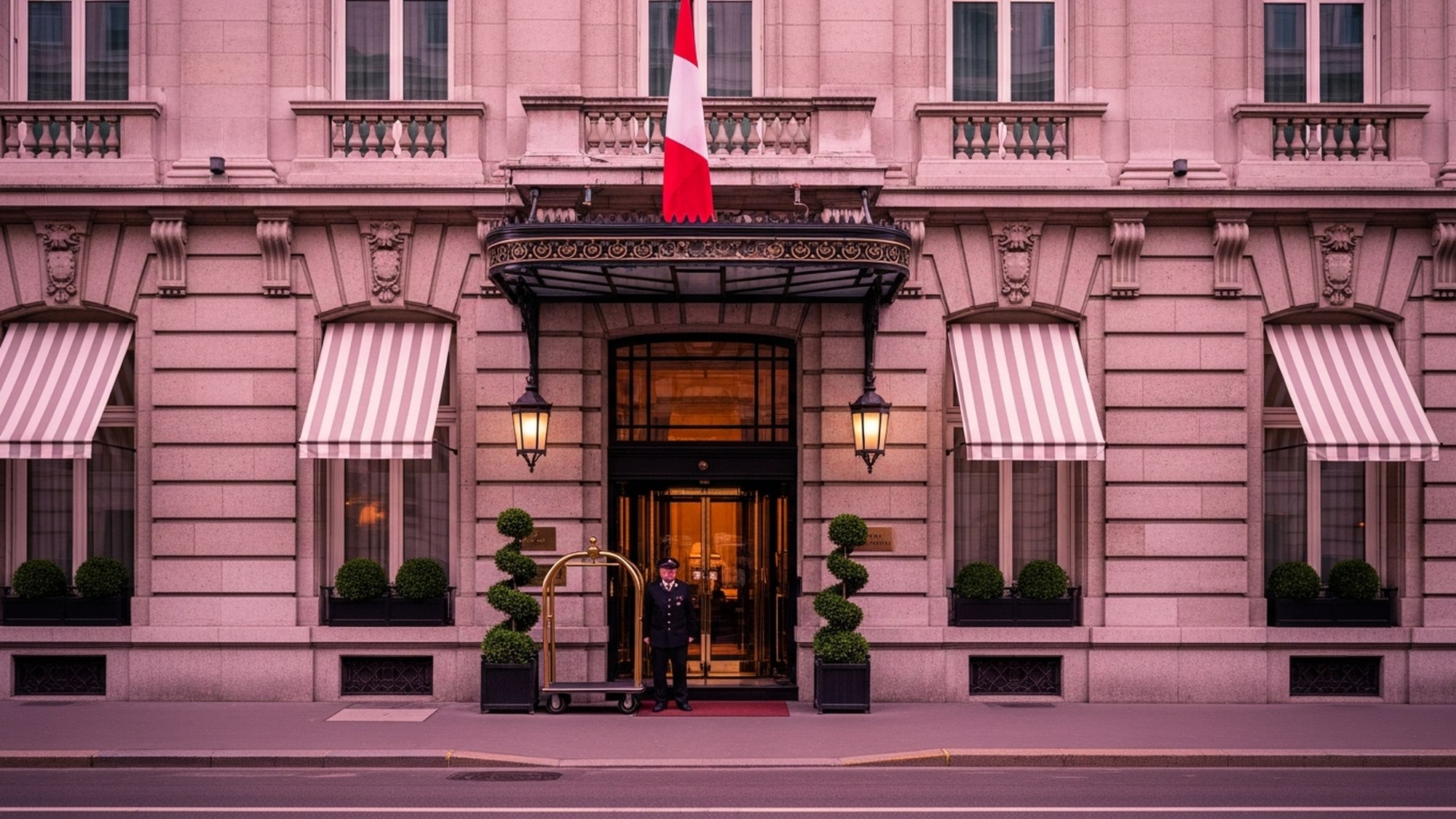
Calabasas Scamlord Jailed: Millions Lost, Trust Shredded
A single criminal's multimillion-dollar scheme against travelers sends shockwaves through the STR market. But the rot runs deeper than one bad actor — it's a battle for the soul of an industry built on trust.
The hammer dropped, hard and fast. In a federal courtroom, the gavel sounded the end of a vast, cynical operation that bled travelers dry and smeared the name of every honest host trying to make a living. A man from Calabasas, California, is now behind bars, convicted of orchestrating a multimillion-dollar scam on Airbnb, a scheme so audacious it targeted countless unsuspecting guests, leaving a trail of ruined vacations, empty wallets, and a gaping wound in the short-term rental industry's most valuable asset: trust.
This isn't just another cautionary tale. This is a reckoning. When a single bad actor can siphon millions by exploiting the very systems designed to facilitate easy bookings and seamless stays, it signals a deeper vulnerability. It forces every platform, every property manager, and every independent host to confront an uncomfortable truth: the wild west of short-term rentals, for all its entrepreneurial spirit and economic upside, remains fertile ground for predators. And when they strike, the collateral damage isn't just felt by the victims; it's a tax levied on every one of us.
STR NEWS has been tracking the escalating sophistication of online fraud for years, a shadow economy that thrives in the nooks and crannies of rapid digital expansion. But this Calabasas case, with its sheer scale and its harsh judicial outcome, serves as a stark, undeniable warning shot. The platforms trumpet their safety features. Law enforcement touts its arrests. But for those of us on the ground, running operations, managing properties, and trying to build reputable businesses, this news hits different. It's a reminder that the war against fraud is far from over, and its casualties are often the very hosts who play by the rules.
The Multimillion-Dollar Man Who Preyed on Travelers
The core facts, as reported by Patch.com and confirmed through legal filings, are chillingly simple: a Calabasas man was sentenced to prison for a multimillion-dollar scam. His targets were travelers, specifically those using Airbnb. The details of his specific methods remain largely under wraps in the initial public reports, but the outcome is clear: a criminal justice system, often slow to adapt to digital fraud, brought the full weight of its authority down. "Multimillion-dollar" is not a figure to be trifled with. This was not a petty scheme, a one-off attempt to swindle a few hundred bucks. This was an organized, sustained, and highly lucrative criminal enterprise that leveraged the global reach and inherent trust mechanisms of one of the world's largest travel platforms.
To understand the gravity, consider the sheer volume of transactions necessary to reach a "multimillion-dollar" threshold in the STR space. Even with high-value bookings, this implies hundreds, if not thousands, of individual fraudulent interactions. It speaks to a level of operational sophistication that goes far beyond a lone individual creating a fake listing on a whim. This kind of operation often involves multiple fake accounts, sophisticated phishing techniques, the ability to rapidly cycle through payment methods, and a deep understanding of platform vulnerabilities and customer service protocols. The Calabasas man wasn't just a scammer; he was, in effect, running a criminal business, a dark mirror of the legitimate operations that populate our industry.
The targeting of "travelers" is key. This suggests a direct assault on the guest experience, likely involving fake listings that didn't exist, bait-and-switch tactics where advertised properties were swapped for inferior or non-existent ones, or perhaps elaborate schemes to extract additional, fraudulent payments from guests before, during, or after their supposed stays. Each instance is a betrayal, not just of the individual guest, but of the broader expectation of safety and reliability that platforms and legitimate hosts strive to cultivate. Every ruined vacation, every stolen deposit, every moment of panic a traveler experienced when they arrived at a non-existent address or found themselves locked out of a fake booking, chips away at the collective trust that is the lifeblood of our industry.
The Anatomy of a Digital Deception: How STR Scams Really Work
While the specific playbook of the Calabasas scammer isn't fully public, the world of short-term rental fraud operates on a disturbingly familiar set of principles. These aren't isolated incidents; they are symptoms of systemic vulnerabilities that every host and guest must understand. The most common varieties of traveler-focused scams often fall into a few categories, each designed to exploit the trust inherent in online bookings and the urgency of travel plans.
First, and perhaps most infamous, are the **phantom listings**. These are properties that simply do not exist, or are legitimate properties listed by someone who doesn't own or manage them. Scammers create attractive listings with stolen photos, compelling descriptions, and often, suspiciously low prices to lure in victims. They might even use publicly available addresses of real homes, counting on travelers not to verify ownership. Once a booking is secured and payment made, the scammer either vanishes, or manufactures a last-minute "emergency" cancellation, keeping the funds. The traveler arrives to find nothing, or a confused homeowner who knows nothing of their booking.
Then there's the **bait-and-switch**. A legitimate-looking listing is created, often with highly appealing photos and amenities. Once booked, the scammer might claim a "sudden plumbing issue" or "unexpected maintenance" at the original property, offering a "comparable" alternative that is, in reality, far inferior, poorly located, or a fraction of the value. Travelers, often already committed to their trip and with limited options, might grudgingly accept, only to find themselves in a disappointing situation with little recourse.
A more sophisticated tactic involves **off-platform payment redirection**. Platforms like Airbnb and Vrbo emphasize secure, in-app payment processing precisely to prevent fraud. Scammers, however, will often try to steer communication and payments outside the platform. This might involve claiming a "special discount" for direct payment, or an "issue with the platform's payment system" that requires a wire transfer, gift cards, or cryptocurrency. Once money leaves the secure platform ecosystem, all protections vanish, and recovery is nearly impossible. This method is particularly effective because it bypasses the very fraud detection systems the platforms have in place.
Finally, there are **identity theft and phishing scams**. Here, the goal isn't just the booking fee, but access to personal and financial information. Scammers might send fake links to "verify" a booking, collect "additional security deposits" through third-party sites, or even impersonate platform support staff. The Calabasas scammer's "multimillion-dollar" haul suggests a combination of these tactics, executed at a massive scale, likely exploiting multiple facets of the booking process over an extended period. The sheer volume of transactions and the financial damage inflicted point to a highly organized effort, perhaps even involving multiple individuals, operating with a clear understanding of the digital marketplace's soft spots.
The Calabasas scam isn't just a grim statistic; it's a stark reminder that the war against fraud is far from over, and its casualties are often the very hosts who play by the rules.
The Platforms' Double-Edged Sword: Enabling and Combating Fraud
The very design of major STR platforms like Airbnb, Vrbo, and Booking.com is a double-edged sword when it comes to fraud. On one side, they offer unparalleled reach, ease of booking, and a veneer of trust through reviews, verified profiles, and secure payment gateways. On the other, that same openness and the speed of transactions can be exploited by bad actors. These platforms are essentially vast, open marketplaces, and like any marketplace, they attract both honest merchants and sophisticated swindlers.
Platforms invest heavily in "Trust & Safety" teams, AI-driven fraud detection, and identity verification tools. Airbnb, for example, has long touted its initiatives to verify listings and host identities, and its 24/7 customer support is designed to intervene when issues arise. Vrbo also has robust payment protection policies and encourages communication through its secure messaging system. These measures are crucial, and without them, the problem would be exponentially worse. They represent billions in investment aimed at maintaining consumer confidence and protecting legitimate transactions.
However, the scale of these operations is immense. Millions of listings, millions of hosts, hundreds of millions of guests annually. Detecting every single fraudulent listing or suspicious communication in real-time is a monumental task, akin to finding a needle in a haystack that's constantly growing. Scammers are also constantly adapting, finding new ways to circumvent verification processes, create plausible fake identities, and mimic legitimate communications. It's an ongoing, high-stakes game of cat and mouse.
Moreover, the platforms' policies, while designed for guest protection, can sometimes create unintended vulnerabilities for legitimate hosts. For instance, the ease with which guests can dispute charges or cancel bookings can be exploited by unscrupulous travelers themselves, leading to chargeback fraud or "friendly fraud" where guests claim issues that don't exist to get free stays. While not the direct focus of the Calabasas scam, it highlights the delicate balance platforms must strike between protecting guests and protecting hosts, all while trying to keep the marketplace safe from outright criminal enterprises.
Ultimately, the platforms are in a perpetual race against clever criminals. Their incentive is clear: if trust erodes, their business model collapses. But the sheer volume and complexity of the transactions mean that some bad actors will inevitably slip through the cracks, leaving a trail of damage that the platforms then have to clean up, often at significant cost, both financial and reputational. This Calabasas case is a prime example of such a failure, one where the scammer operated long enough and effectively enough to accrue millions before being apprehended.
The Erosion of Trust: A Silent Tax on Every Host
The true cost of a multimillion-dollar scam isn't just the money stolen from travelers. It's the silent tax levied on every single legitimate short-term rental host and property manager. This tax comes in the form of eroded trust, increased skepticism, and a harder sell for an industry already under intense scrutiny. When news breaks of a massive fraud operation, the ripple effect is immediate and widespread, impacting booking confidence and the overall perception of STRs.
Think about the casual traveler, someone perhaps new to Airbnb or Vrbo. They read a headline about a Calabasas man in prison for scamming millions. What's their immediate reaction? Doubt. Hesitation. A second thought before clicking "Book Now." They might start scrutinizing listings more aggressively, questioning deals, and perhaps even defaulting to traditional hotels perceived as "safer" – despite the fact that hotel fraud exists too. This isn't just abstract; it translates into fewer bookings, longer vacancies, and increased marketing costs for legitimate businesses trying to overcome this cloud of suspicion.
The impact also extends to the regulatory environment. When high-profile scams surface, it fuels the narrative that the short-term rental industry is a "wild west" devoid of oversight, making it easier for opponents of STRs to push for restrictive legislation. Cities and municipalities, already wary of STRs, might use such incidents as justification for stricter licensing, heavier taxes, or even outright bans, arguing that the industry cannot self-regulate effectively against criminal elements. These regulatory burdens, designed to curb bad actors, disproportionately affect compliant hosts who are forced to navigate complex new rules, pay higher fees, and jump through more bureaucratic hoops.
Furthermore, scams can lead to platforms implementing more stringent security measures, which, while necessary, can add friction to the booking process for everyone. This could mean longer payment processing times, more intensive identity verification for hosts and guests, or stricter communication guidelines. While these measures aim to protect, they can also make the experience less seamless, potentially driving away some users who value speed and simplicity. The legitimate host, caught in the middle, has to contend with an environment that becomes incrementally more challenging, all because of the actions of a few determined criminals.
The collective reputation of the entire STR ecosystem takes a hit with every major scam. It's a classic case of a few bad apples spoiling the barrel, even if the vast majority of hosts are honest, hard-working professionals providing excellent experiences. Rebuilding that trust, once shattered, is a slow and arduous process, requiring concerted effort from platforms, industry associations, and individual hosts to consistently deliver on the promise of safe, reliable, and enjoyable stays.
Beyond the Bad Actors: Protecting Your Own House
For the honest host, property manager, or small investor, the natural reaction to news like the Calabasas scam is a mix of anger and anxiety. Anger at the criminals who tarnish our industry, and anxiety about how to protect their own livelihood. The reality is, while platforms bear a significant responsibility for overall marketplace safety, individual vigilance remains a host's most potent weapon. Protecting your own house means understanding the threats and proactively implementing defenses.
First, **scrutinize every inquiry and guest profile**. Most platforms offer guest profiles with reviews, verification statuses, and booking history. Look for red flags: a brand-new profile with no reviews, vague or unusual inquiries, requests to communicate or pay outside the platform, or an insistent rush to book. While not every new guest is a scammer, a combination of these factors warrants extra caution. Trust your gut. If something feels off, it probably is. Don't be afraid to decline a booking if you have serious reservations, especially if the guest is pressuring you to move off-platform.
Second, **never, under any circumstances, take payments outside the official platform system**. This is the golden rule. Any request for a wire transfer, gift card, cryptocurrency, or direct bank deposit from a guest should immediately trigger alarm bells. Platform payment systems are designed to protect both parties, offering recourse in case of disputes. Once you circumvent them, you are on your own, and recovery of funds is almost impossible. Educate yourself and your staff thoroughly on this policy. It's not just about protecting guests from scammers; it's about protecting yourself from chargebacks and fraudulent claims.
Third, **secure your own listing information**. Scammers often create fake listings by simply copying photos and descriptions from legitimate, successful properties. Regularly search for your property's photos or unique descriptions on other listing sites, social media, or even Google Images. Tools like reverse image search can help. If you find your listing duplicated by someone else, report it immediately to the relevant platform. This protects your brand and prevents travelers from being scammed using your good name.
Fourth, **document everything**. Maintain clear records of all communications with guests through the platform's messaging system. Keep detailed check-in and check-out procedures. Document property conditions before and after stays with timestamped photos or video. This meticulous record-keeping is your best defense against false claims, chargebacks, or disputes, whether from a genuine misunderstanding or a bad actor trying to exploit the system.
Finally, **stay informed and network**. Join host forums, local STR associations, and industry groups. Share information about suspicious activity and learn from the experiences of others. The collective intelligence of the host community is an invaluable resource for identifying emerging scam patterns and staying one step ahead of the criminals. This isn't a battle you have to fight alone.
The Legal Ramifications: Why Prison for a Digital Thief?
The fact that the Calabasas man received a prison sentence underscores the seriousness with which federal authorities view large-scale online fraud. This wasn't a civil dispute; it was a criminal prosecution, likely involving charges that carry significant weight in the eyes of the law. While specifics of the charges were not publicly detailed in the initial reports, multimillion-dollar scams often involve a combination of federal offenses that can result in substantial jail time.
**Wire Fraud (18 U.S.C. § 1343)** is almost certainly a component of any large-scale online scam. This statute broadly prohibits schemes to defraud that involve the use of interstate wires (like the internet, emails, and phone calls) to transmit money or information. Given that Airbnb operates across state and international lines, and payments are processed electronically, wire fraud charges are a standard tool for prosecutors in these types of cases. Each fraudulent transaction or communication can potentially constitute a separate count of wire fraud, quickly escalating the potential penalties.
**Mail Fraud (18 U.S.C. § 1341)**, while seemingly antiquated, can also apply if any part of the scheme involved the U.S. Postal Service or private interstate carriers, even for seemingly minor details like sending a false document. In complex fraud cases, prosecutors often cast a wide net to ensure all aspects of the criminal enterprise are covered.
**Identity Theft (18 U.S.C. § 1028)**, especially aggravated identity theft (18 U.S.C. § 1028A), comes into play if the scammer used or obtained personal identifying information of others (like names, addresses, credit card numbers, or social security numbers) in the course of the fraud. This could happen if they created fake host profiles using stolen identities or collected sensitive guest information under false pretenses.
**Money Laundering (18 U.S.C. §§ 1956 and 1957)** is another common charge in large-scale financial fraud. If the Calabasas man moved the millions of dollars he obtained through a series of transactions designed to conceal their illicit origin – for example, by funneling them through shell corporations, multiple bank accounts, or converting them into cryptocurrencies – he would likely face money laundering charges. These carry particularly stiff penalties and often involve asset forfeiture, meaning the government can seize any property or funds derived from the criminal activity.
The involvement of federal agencies like the FBI, U.S. Secret Service, or the Department of Justice indicates the complexity and scale of the investigation. These agencies have specialized cybercrime units dedicated to tracking down sophisticated digital fraudsters. The long arm of the law might move slowly, but when it catches up, as it did in Calabasas, the consequences are severe, serving as a powerful deterrent to others considering similar illicit ventures. The prison sentence sends an unambiguous message: online fraud is not a victimless crime, and the perpetrators will be held accountable.
The Long Shadow of Fraud and the Future of STR
The Calabasas scam is more than just a headline; it's a symptom of the ongoing growing pains of a maturing industry. For years, the short-term rental market operated with a certain degree of decentralization and informal trust, which was both its charm and its Achilles' heel. As it professionalizes, as more institutional money flows in, and as regulatory frameworks tighten, the mechanisms for accountability must also strengthen.
The future of STR will inevitably involve a greater push for universal standards in identity verification for both hosts and guests. While platforms have made strides, the ability of sophisticated scammers to bypass these checks means more robust, perhaps even government-linked, verification systems could become commonplace. This might involve greater data sharing (with appropriate privacy safeguards) between platforms and financial institutions, or even biometric verification in some scenarios, all designed to make it harder for anonymous bad actors to operate.
There will also likely be an increased emphasis on proactive fraud detection through advanced AI and machine learning. These systems can analyze patterns of communication, booking behavior, and payment anomalies at a scale that human eyes cannot. The goal is to catch scams before they cause significant damage, rather than reacting after the fact. However, this technology itself is a moving target, constantly being challenged by ever-evolving scam techniques.
For hosts, this means adapting to an environment where a "set it and forget it" approach to security is no longer viable. Continuous learning about new scam trends, diligent review of platform security updates, and a proactive stance on protecting one's own listing and guest interactions will become non-negotiable. The industry, as a whole, will need to foster a culture of shared responsibility, where hosts report suspicious activity, platforms act swiftly, and law enforcement is equipped with the resources to prosecute effectively.
Ultimately, the Calabasas case is a harsh lesson in resilience. The short-term rental industry has proven its ability to innovate, adapt, and grow. Now, it must prove its ability to self-police, to protect its integrity, and to rebuild and maintain the fundamental trust that makes its entire ecosystem possible. The shadow of fraud is long, but with collective effort and individual vigilance, the industry can emerge stronger, safer, and more trustworthy for everyone.
The bottom line for hosts
This is not just some news story from far away; this is a direct threat to your bottom line and the reputation of the industry you operate in. The Calabasas scammer going to prison is justice served, but it doesn't magically erase the damage. For you, the host or property manager, the message is stark: vigilance is your best defense.
- Never, ever take payments off-platform. This is the single most critical rule. Any request to do so is a red flag. Report it immediately.
- Scrutinize every new guest and every strange inquiry. Look for incomplete profiles, lack of reviews, or overly aggressive booking tactics. Trust your instincts.
- Protect your listing's identity. Regularly search for your photos and property descriptions online to ensure no one is impersonating your listing. Report any unauthorized use.
- Document everything. Keep meticulous records of all communications, check-in details, and property conditions. This is your shield against fraudulent claims and disputes.
- Stay educated. Fraudsters evolve. Keep up with industry news, host forums, and platform security updates to understand new threats.
Your business depends on trust. When bad actors shatter that trust, it impacts everyone. By being hyper-aware and proactive, you not only protect your own assets but also contribute to the collective defense of the entire short-term rental industry. Don't be a casualty of someone else's crime.
Source
STR NEWS analysis — reported August 15, 2026. Read and analyzed by the STR NEWS desk.


Read the desk every morning.
The day's crackdowns and platform moves, the money, the design and the stays going viral, plus the desk's verdict, in one short email every morning.