
The Channel Manager Lie: Why 'Too Expensive' Costs You More Than Software
Every serious host faces the same fork in the road: manually juggling Airbnb, Vrbo, and Booking.com, praying for no double bookings, or investing in the software that guarantees peace of mind. STR NEWS lays bare the brut
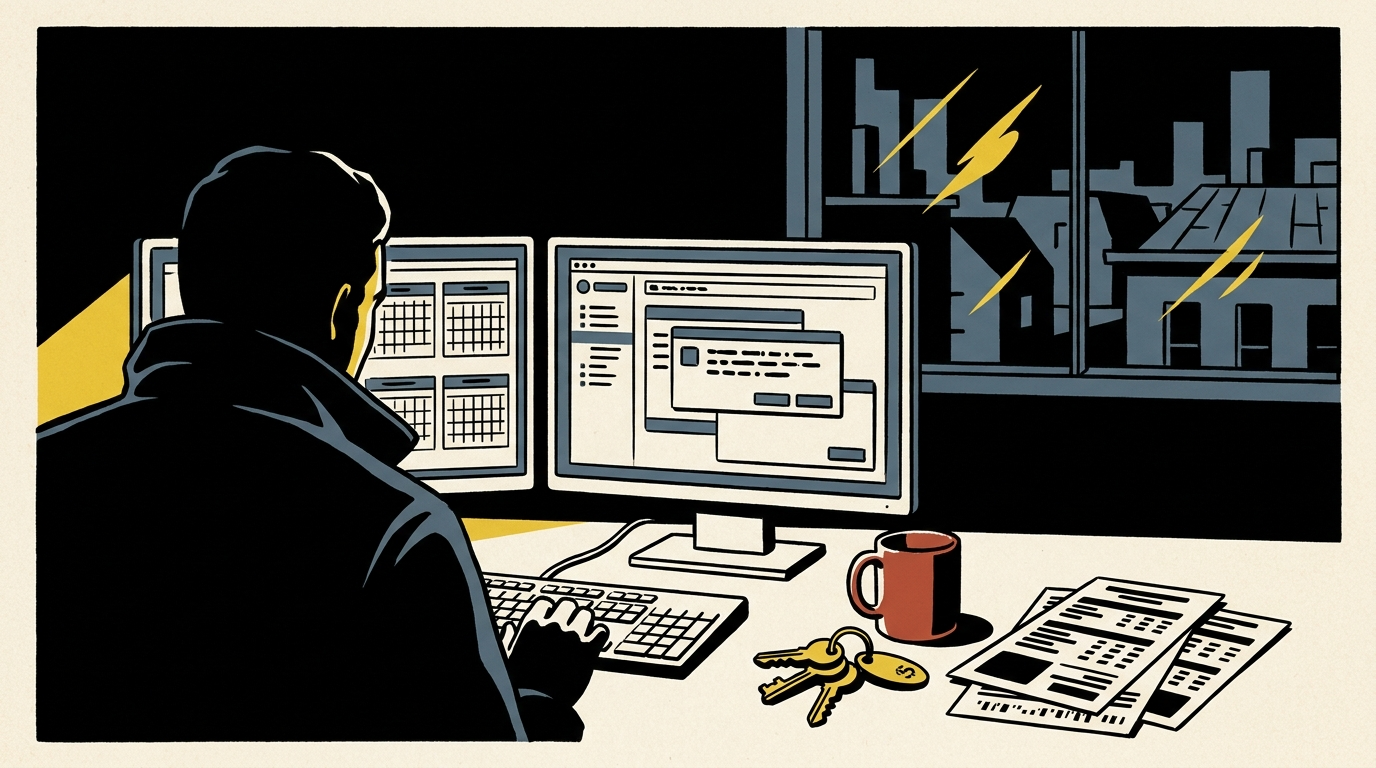
The phone rings at 2 AM. It's a guest, furious, standing on your doorstep, luggage in hand, demanding entry to a property that's already occupied. You check your calendar, a cold knot forming in your gut. Two bookings for the same night, on different platforms. The dreaded double-booking. It's not just a minor inconvenience; it's a gut-punch to your reputation, a direct hit to your wallet, and a fast track to a host penalty from a platform that doesn't care whose fault it was.
This nightmare scenario is the existential threat haunting every serious short-term rental operator who dares to list beyond a single platform. For years, the industry thrived on the wild west energy of hosts juggling multiple calendars, praying for manual syncs to prevent disaster. But as the market matures, as competition stiffens, and as guest expectations soar, that amateur hour approach is no longer sustainable. The question isn't if you need a better system, but what that system looks like, and whether the technology asking for a cut of your earnings actually earns its keep.
The choice between a manual tightrope walk and the automated embrace of a channel manager is no longer theoretical for anyone serious about growing their STR business. It's a fork in the road, demanding a hard, honest look at operational costs, potential revenue, and the true value of peace of mind. This isn't about shiny new features; it's about the fundamental mechanics of running a profitable, scalable operation in an increasingly complex marketplace.
The Double-Booking Nightmare: A Host's Worst Fear
This is where the rubber meets the road. A single property, listed on Airbnb and Vrbo, offers a host more visibility, more potential bookings, and ultimately, a higher occupancy rate. The math is simple: more eyeballs mean more reservations. But that increased visibility comes with a monumental, terrifying caveat: the potential for conflicting reservations. Imagine a booking coming in through Airbnb while you're asleep, and another through Vrbo an hour later, before you've had a chance to manually block out the dates. That's a double booking.
The fallout from such an event is catastrophic. First, there's the immediate financial hit. You're forced to cancel one of the bookings. If you cancel on a guest through Airbnb, their policy, for example, often involves a financial penalty, blocking your calendar for the dates, and potentially a negative impact on your Superhost status. Vrbo has similar mechanisms, often requiring hosts to find alternative accommodation at their own expense or face significant penalties. The cost isn't just the lost revenue from that specific booking; it's the cost of rehousing a guest, paying for their stay elsewhere, and refunding the original reservation. These costs can easily run into hundreds, sometimes thousands, of dollars for even a short stay.
But the monetary loss is often just the beginning. The reputational damage is far more insidious and long-lasting. A guest who arrives to find their accommodation unavailable is not just disappointed; they are enraged. They will leave a scathing review, a one-star atomic bomb that detonates your average rating and poisons your listing for future potential guests. Platforms prioritize guest experience above all else. A host who routinely double-books is not just a nuisance; they are a liability to the platform's brand. This can lead to your listing being demoted in search results, hidden from view, or even outright delisted. For a host, particularly one with a small portfolio, this can mean the end of their business.
The manual "solution" to this problem is a desperate, frantic scramble. Hosts meticulously check calendars, block dates, unblock dates, and constantly refresh pages. This isn't a strategy; it's a full-time job, prone to human error, especially as property counts grow or as demand fluctuates. A host managing three properties on three different platforms faces nine calendars to constantly monitor and update. The mental load alone is crushing, not to mention the actual time sink. This isn't just about avoiding a negative outcome; it's about freeing up time to focus on guest experience, maintenance, and growth — the actual value-generating activities of an STR business. Without a robust system, the threat of the double-booking nightmare looms large, a constant reminder of the fragility of a manually operated multi-channel strategy. The industry saw countless aspiring hosts crash and burn trying to scale past two listings without proper tools. It's a fundamental operational hurdle that separates the serious operators from the hobbyists.
The Rise of the Machines: What is a Channel Manager, Anyway?
Into this operational chaos stepped the channel manager: software designed to be the central nervous system of a multi-platform short-term rental business. At its core, a channel manager — often abbreviated as CM — is a sophisticated piece of technology that automates the synchronization of listings across multiple online travel agencies, or OTAs. Think of it as a universal translator and scheduler, speaking the language of Airbnb, Vrbo, Booking.com, Expedia, and dozens of smaller regional platforms, all at once, in real time.
The primary function, and the one that alleviates the double-booking fear, is calendar synchronization. When a reservation comes in on Airbnb, the channel manager instantly — or as close to instantly as platform APIs allow — updates the availability calendar for that property on Vrbo, Booking.com, and any other connected channel. This means the dates are blocked, often within seconds or minutes, making it impossible for another guest to book that same night on a different site. This real-time update is critical. Relying on iCal feeds, a simpler, older technology, is a common rookie mistake. While iCal provides a basic level of sync, it's often delayed, sometimes by hours, creating dangerous windows where double bookings can still occur. A proper channel manager utilizes direct API (Application Programming Interface) connections with the major platforms, ensuring far more robust and timely data exchange.
But calendar sync is just the baseline. A true channel manager offers a suite of functionalities that transform a host's operational capabilities. Beyond availability, these systems can centralize rate management. Instead of logging into five different dashboards to adjust your nightly price, you set it once in the channel manager, and it pushes the update to all connected platforms. This is particularly powerful when integrated with dynamic pricing tools, allowing sophisticated algorithms to adjust prices based on demand, seasonality, local events, and competitor pricing, with those optimized rates then distributed automatically. This feature alone can significantly boost a property's average daily rate (ADR) and RevPAR (Revenue Per Available Room).
Many channel managers also offer centralized guest communication. Inquiries and messages from all platforms can funnel into a single inbox within the CM, allowing hosts to respond quickly and consistently without platform-hopping. This streamlines guest service, improves response times, and helps maintain high guest satisfaction scores. Some even offer automated messaging triggers, sending welcome notes, check-in instructions, or checkout reminders automatically, further reducing a host's manual workload. For many operators, this shift from reactive, scattered management to proactive, centralized control is the precise moment their business truly starts to scale. It’s the difference between running a collection of independent listings and operating a unified portfolio.
The Promise and the Price Tag: Weighing the Cost
No host gets into this business to spend money unnecessarily. Every dollar spent on software is a dollar not in their pocket, or so the thinking often goes. Channel managers are not free. Their cost structures vary widely, and understanding them is crucial to determining if the software earns its cut. Most channel managers operate on one of three primary pricing models, or a hybrid of them: per-unit fees, commission-based fees, or subscription tiers based on features.
The per-unit model is straightforward: a fixed monthly fee for each property you connect. This might range from, say, $10 to $50 per property per month, depending on the provider and the features included. For a host with one or two properties, this might seem like a significant outlay. Two properties at $30/month each is $720 a year. Is that worth it? For a host with twenty properties, however, that $30/month is a minor operational cost, particularly when spread across the revenue of multiple listings. This model offers predictability, making budgeting easier.
Commission-based models charge a percentage of each booking that comes through the channel manager. This might be anywhere from 0.5% to 3% of the booking value. The appeal here is that the cost scales with your revenue: if you have no bookings, you pay nothing. If you have a banner month, you pay more, but you also earned more. For smaller, less consistent operations, this can feel less risky upfront. However, as volume increases, a percentage can quickly add up, sometimes exceeding what a fixed per-unit fee would have cost. Hosts need to run the numbers on their average booking value and occupancy rates to truly compare.
Finally, some providers offer tiered subscriptions, where a base fee covers a certain number of properties and core features, with higher tiers unlocking more listings, advanced tools like direct booking website builders, dynamic pricing integrations, or detailed reporting. This model often caters to different stages of a host's growth, from solo operators to professional property managers.
The real question, the one that causes endless debate in host forums, is whether the cost is justified. For a single property, manually managed across two channels, the argument against a CM is often articulated as "I don't get double bookings often enough to justify the monthly fee." This thinking is dangerously short-sighted. It assumes the cost of a double booking is merely its frequency. The true cost, as explored earlier, is not just the lost revenue of one night, but the potential for platform penalties, the cost of rehousing guests, and the indelible stain of a negative review. One double booking in an entire year can easily wipe out a year's worth of channel manager subscription fees and then some, not to mention the irreparable damage to a listing's reputation.
Furthermore, hosts must factor in their own time. What is an hour of your time worth? Manually updating calendars, adjusting prices, and responding to scattered messages is a significant time sink. If a channel manager saves you five hours a month, and you value your time at $25/hour, that's $125 in "saved" labor. If the CM costs $60/month, you're already ahead. The value proposition shifts dramatically when you move beyond simply preventing disaster and start considering the efficiency gains and revenue optimization opportunities a CM provides. The price tag isn't just for software; it’s for automation, risk mitigation, and the bandwidth to focus on scaling and improving guest experience, which directly translates to higher RevPAR and more bookings.
Beyond the Basics: Advanced Features and Hidden Value
While calendar and rate synchronization are the foundational pillars of any channel manager, many of these systems have evolved into comprehensive property management software suites, offering capabilities that extend far beyond mere connectivity. These advanced features are where the real long-term value often lies, transforming a simple booking tool into a strategic asset for growth and operational excellence.
One of the most significant advancements is the integration with dynamic pricing tools. Companies like PriceLabs, Beyond, and Wheelhouse have developed sophisticated algorithms that analyze market data, local events, seasonality, competitor pricing, and even real-time demand fluctuations to recommend optimal nightly rates. When a channel manager integrates seamlessly with these tools, the host can set their pricing strategy once, and the optimized rates are automatically pushed out to all connected OTAs. This isn't just about avoiding a double booking; it's about maximizing revenue on every single night. A host manually adjusting prices is leaving money on the table, either by pricing too low and undercutting their value, or pricing too high and missing out on bookings during quieter periods. The ability to automatically adjust prices based on real-time market conditions can significantly improve a property's ADR and overall profitability.
Another powerful feature is the ability to create and manage a direct booking website. While platforms like Airbnb and Vrbo are indispensable for reach, they also charge significant commissions (often 3% for hosts, and up to 14-16% for guests, which indirectly impacts host pricing power). A direct booking site allows guests to book directly with the host, bypassing these platform fees entirely. Many channel managers offer templates and tools to build a professional-looking website, complete with secure payment processing and booking engines. This isn't about ditching the OTAs, but diversifying revenue streams and building a loyal customer base. For repeat guests or those referred by word-of-mouth, a direct booking option means more profit per reservation for the host and often a slightly lower price for the guest, creating a win-win scenario.
For hosts scaling beyond a handful of properties, operational features become paramount. Channel managers often include task management systems, allowing hosts to schedule cleaning crews, maintenance workers, and other service providers directly through the software. This can automate the assignment of tasks based on check-in/check-out dates, track completion, and manage payments. Imagine having twenty properties: coordinating cleaners and maintenance manually becomes a logistical nightmare. A CM centralizes this, ensuring properties are always guest-ready and reducing the risk of missed cleanings or delayed repairs, both of which are critical for guest satisfaction.
Reporting and analytics are also becoming increasingly sophisticated. Beyond basic occupancy rates, many channel managers provide detailed insights into booking sources, guest demographics, average length of stay, cancellation rates, and revenue performance across different channels. This data is gold for strategic decision-making. Which platform is performing best for a particular property type? Which marketing efforts are yielding the highest ROI? Are cleaning fees optimized? These insights allow hosts to make data-driven adjustments to their listings, pricing, and marketing strategies, moving from guesswork to informed business decisions. For professional managers, the ability to generate owner statements and financial reports directly from the system is invaluable, saving countless hours of manual accounting and ensuring transparency with property owners. The distinction between a basic channel manager and a full-fledged property management system (PMS) often blur here, offering a comprehensive toolkit for professionalization.
The Platform Wars: Why Airbnb, Vrbo, and Booking.com Play Nicely (Sort Of)
It might seem counterintuitive that the giant OTAs — fiercely competitive for market share and guest bookings — would cooperate with channel managers, third-party software that essentially makes it easier for hosts to list on their rivals' platforms. But understanding the incentives reveals a delicate dance between collaboration and control. The simple truth is, the platforms need hosts. Without inventory, they have no business. And professional, multi-channel hosts represent some of the most reliable, high-quality inventory.
For Airbnb, Vrbo, and Booking.com, the goal is to maximize the number of desirable listings on their site. While they prefer exclusive listings, the reality is that many hosts, especially those with multiple properties or those aiming for higher occupancy, will list across multiple platforms. Rather than fighting this reality, the platforms have largely embraced it, albeit with varying degrees of enthusiasm and technical integration. They understand that by making it easier for hosts to manage multi-channel listings, they retain those hosts and their properties on their platform, ensuring a diverse and competitive offering for guests.
The primary mechanism for this cooperation is the API. Each major platform offers an API that allows channel managers to connect and exchange data. These APIs are the digital pipelines through which availability, rates, bookings, and sometimes even messages flow. However, not all APIs are created equal. Airbnb, for instance, has a robust API that allows for deep integration, including calendar, pricing, messaging, and even content updates. Vrbo also offers strong API connectivity, especially important given its historical focus on vacation rentals that often benefit from multi-channel distribution. Booking.com, originating from the hotel industry, has long had sophisticated connectivity options, crucial for its massive inventory.
Despite the cooperation, there's always an underlying tension. Each platform wants to drive direct bookings through their own site, minimize their own operational costs, and maintain control over the guest experience. This can manifest in subtle ways. For example, some platforms might limit the depth of messaging integration through their API, encouraging hosts to log directly into their dashboard for certain communications. Others might have slower refresh rates for iCal feeds, subtly nudging hosts towards more robust API connections or even their preferred channel manager partners.
The platforms also have their own preferred partners or certified software programs. These programs ensure that channel managers meet certain technical standards and provide reliable service, which ultimately benefits the platforms by reducing support issues related to faulty integrations. For a channel manager, being a preferred partner means greater visibility and credibility; for a platform, it means a reliable conduit for inventory.
Ultimately, the platforms tolerate and even encourage channel managers because it’s a net positive for their business. It ensures a healthy supply of professional listings, reduces the operational burden on individual hosts (who might otherwise leave the market due to complexity), and allows them to focus on marketing and guest acquisition. While they might periodically tweak their APIs or terms to assert more control or push their own initiatives, the fundamental need for inventory ensures that channel managers will remain a vital link in the short-term rental ecosystem. They are the essential neutral ground where competing platforms meet the common need for host efficiency.
The argument that a channel manager is too expensive for a single property is typically a false economy.
Choosing Your Weapon: Key Considerations and Common Pitfalls
The market for channel managers is crowded, a testament to the essential role they play. This abundance, while offering choice, also presents a bewildering array of options for hosts. Selecting the right channel manager isn't a decision to be taken lightly; it's a strategic investment that will underpin your operations for years. The wrong choice can lead to frustration, inefficiencies, and ultimately, lost revenue. Several key considerations should guide this critical decision.
First, and perhaps most importantly, is scalability. Are you a solo host with a single property looking to expand to three? Or are you a seasoned manager with ten properties aiming for fifty? Some channel managers are perfectly suited for small operators, offering an intuitive interface and essential features at a low price point. Others are built for enterprise-level property management, boasting complex reporting, extensive API integrations, and advanced staff management tools, but often come with a steeper learning curve and a higher price. Choosing a system that can grow with you, or one that aligns with your current and immediate future scale, prevents the costly and time-consuming process of migrating to a new system later.
Integration depth is another crucial factor. Does the channel manager offer direct API connections with all the platforms you intend to use? As discussed, relying solely on iCal for critical channels is a recipe for disaster. Verify which specific features are supported via API for each platform: calendar, rates, minimum night stays, messaging, booking modifications. Some channel managers excel with Airbnb but are weaker with Booking.com, or vice versa. Researching real-world user experiences and testing trials are invaluable here.
Customer support might not seem like a flashy feature, but it is absolutely non-negotiable for software that forms the backbone of your business. When a sync fails, a rate isn't pushed, or a booking goes awry, you need immediate, competent help. A channel manager is mission-critical infrastructure. Look for providers with 24/7 support, multiple contact methods (phone, chat, email), and a reputation for quick resolution times. Poor support can turn a minor glitch into a major operational crisis, especially during peak booking periods or late-night emergencies.
The user interface (UI) and ease of use are also significant. A powerful channel manager is useless if it's overly complex, confusing, or requires extensive training to operate efficiently. A clean, intuitive dashboard that allows you to quickly see your calendar, manage bookings, and adjust settings will save you hours of frustration. Many providers offer free trials or demos; take advantage of these to ensure the system feels comfortable and logical for your workflow.
Finally, a deep dive into the pricing model is essential. Go beyond the advertised monthly fee. Are there setup fees? Transaction fees? Are certain features locked behind higher tiers? Do they charge for guest communication or payment processing? Understand the total cost of ownership, especially as your property count or booking volume increases. A low monthly fee might hide higher per-booking percentages that become expensive over time. Conversely, a higher upfront fee might include robust features that save you money in the long run.
Common pitfalls include:
- Overpaying for unused features: Don't get seduced by a vast array of tools if you only need the basics.
- Underestimating the importance of API connections: Believing iCal is "good enough" for serious operations.
- Ignoring customer reviews about support: Prioritizing price over reliability.
- Failing to plan for growth: Choosing a system that you'll quickly outgrow.
- Not leveraging the full potential: Many hosts pay for a CM but only use 20% of its features, missing out on revenue optimization and efficiency gains. This is why understanding how the software works and committing to using it is as important as choosing it.
The DIY Delusion: When Doing It Yourself Just Doesn't Cut It
The allure of the do-it-yourself approach is strong in the short-term rental world. Many hosts start small, with a single property, and a desire to maximize profit by minimizing overhead. They often view software subscriptions as an unnecessary expense, convinced they can handle manual calendar updates, price adjustments, and guest communications across multiple platforms. This "DIY delusion" works, for a time, but it inevitably reaches a breaking point, and often, that breaking point comes with significant financial and emotional cost.
The primary argument for DIY is cost savings. If a channel manager costs $30 a month, a host might reason that they can simply be diligent and save that $360 a year. For a host with minimal bookings or an extremely low nightly rate, this might seem like a prudent decision. However, this calculation almost always ignores several critical, often hidden, costs. The first is the cost of time. Every minute spent logging into different dashboards, refreshing calendars, cross-referencing bookings, and manually adjusting prices is time that could be spent on higher-value activities: guest relations, property improvements, marketing, or even simply enjoying personal time. For a host with a full-time job, this "free" labor comes at the expense of their personal life or their primary career. For a full-time host, it's time not spent strategically growing the business. The opportunity cost is immense.
Beyond time, there is the stress. The constant vigilance required to prevent a double booking creates a persistent undercurrent of anxiety. Every new booking notification on one platform becomes a race against the clock to block dates on others. This mental load is exhausting and unsustainable. It directly impacts the host's ability to provide a calm, attentive guest experience, which is crucial for positive reviews and repeat business. The pressure of manual management can erode the joy of hosting, turning a passion project into a grueling chore.
Then there is the issue of missed revenue. A host manually managing rates cannot possibly compete with the dynamic pricing capabilities of an integrated system. They will either set prices too high and miss out on bookings, or set them too low and leave money on the table. They won't react quickly enough to local events, last-minute demand spikes, or dips in occupancy. The revenue lost from suboptimal pricing, over the course of a year, can easily dwarf the cost of a channel manager and a dynamic pricing tool combined. AirDNA data consistently shows that properties leveraging sophisticated pricing strategies outperform those with static or manually adjusted rates in terms of RevPAR.
Finally, there's the inevitable human error. Even the most meticulous host will eventually make a mistake. A forgotten block, a misread date, a delayed update – any of these can lead to the dreaded double booking. As discussed, the financial penalties, the reputational damage, and the sheer hassle of resolving such an issue can far exceed any perceived savings from going solo. For a host with more than one property, or even a single highly-demanded property, the risk associated with manual management becomes unacceptably high. The DIY delusion isn't about saving money; it's often about trading professional operational security for a false sense of frugality, ultimately costing more in the long run through stress, inefficiency, and avoidable catastrophic errors. It's a strategy rooted in the past, ill-suited for the demands of the modern, competitive STR market.
The Future is Automated: Where Channel Managers are Heading
The evolution of channel managers is far from over. As the short-term rental industry continues its rapid professionalization and maturation, these essential tools are set to become even more sophisticated, leveraging emerging technologies to offer unprecedented levels of automation and insight. The future of channel management is not just about connectivity; it's about intelligence, predictive capabilities, and a seamless operational ecosystem.
One significant trend is the deeper integration of artificial intelligence (AI) and machine learning. Beyond simple dynamic pricing, future channel managers will likely incorporate AI for predictive analytics, forecasting demand with even greater accuracy by analyzing vast datasets, including micro-local events, weather patterns, and even social media sentiment. Imagine a system that not only adjusts your price but also suggests optimal minimum stay requirements, advises on specific marketing campaigns for slow periods, or even predicts maintenance needs based on historical usage patterns. This moves beyond reactive management to proactive, strategic operation.
Hyper-personalization is another frontier. As guest data becomes more integrated, channel managers could facilitate personalized communication flows and even suggest tailored upsell opportunities based on guest profiles and past booking behavior. From offering local experience packages to providing customized check-in instructions based on arrival method, the goal will be to further enhance guest experience at scale, driving loyalty and positive reviews without manual intervention.
The blurring lines between channel managers, property management systems (PMS), and operational tools will continue. We'll see more all-in-one solutions that encompass everything from cleaning staff management and keyless entry integrations to advanced financial reporting and owner portals, all under a single dashboard. This consolidation will reduce the need for multiple software subscriptions and streamline workflows, making it easier for hosts to manage every aspect of their business from a central hub. The ideal future system is a single pane of glass for all operations.
Furthermore, expect continued expansion into new channels. While Airbnb, Vrbo, and Booking.com remain dominant, regional OTAs, niche booking sites (e.g., glamping, pet-friendly), and specialized corporate travel platforms are growing. Channel managers will need to constantly expand their connectivity to ensure hosts can tap into every available market segment, maximizing reach and occupancy. Global expansion and localized support will become increasingly important as the industry transcends traditional geographic boundaries.
Finally, the push for more robust, bidirectional API integrations will intensify. Platforms and channel managers will work to create more seamless data flows, reducing latency and allowing for real-time updates across an even broader range of listing attributes. This means not just calendar and rates, but potentially even review responses, listing content optimizations, and promotional campaign management directly from the channel manager interface. The objective is to give hosts ultimate control and efficiency, while platforms still benefit from reliable, high-quality inventory. The future of channel management isn't just about avoiding problems; it's about unlocking exponential growth and operational excellence for hosts who embrace intelligent automation.
The bottom line for hosts
The decision to invest in a channel manager is no longer a luxury for the professional short-term rental operator; it is a fundamental requirement for stability, efficiency, and growth. The days of manual calendar juggling and hoping for the best are over for anyone aiming to operate with serious intent across multiple booking platforms. The risks of double bookings, the drain of manual labor, and the lost revenue from suboptimal pricing far outweigh the cost of even a robust channel management system.
For solo hosts just starting, especially with a single property, the initial temptation to go it alone might seem appealing. Resist it. If you plan to list on more than one major platform, even for one unit, begin evaluating entry-level channel managers early. The peace of mind, the time saved, and the protection against catastrophic errors will pay for themselves. One missed booking due to manual error, one bad review from a double-booked guest, and you will have wiped out a year's worth of subscription fees and then some.
For growing hosts and property managers, a channel manager transforms from a safeguard into a strategic weapon. It unlocks the ability to scale without proportional increases in operational burden. It enables advanced revenue management strategies, empowers efficient guest communication, and provides the data necessary for informed business decisions. Without it, scaling beyond a few properties quickly becomes untenable, leading to burnout, missed opportunities, and a ceiling on growth.
Do your homework. Research providers based on your current scale and your growth ambitions. Prioritize robust API integrations, responsive customer support, and a user interface that aligns with your operational style. Understand the full cost structure, not just the base fee. And crucially, once you’ve chosen, commit to leveraging its full suite of features. Don't just sync calendars; integrate dynamic pricing, explore direct booking options, and utilize the reporting tools to make smarter decisions.
The short-term rental industry is brutally competitive. Success hinges on maximizing occupancy, optimizing rates, and delivering exceptional guest experiences consistently. A channel manager is the foundational technology that enables all three. It’s not just about preventing disaster; it’s about building a resilient, profitable, and scalable business in a demanding marketplace. It’s the difference between merely existing and truly thriving.
About this piece
An original expert-analysis column by the STR NEWS desk. Figures are illustrative of how the market behaves; confirm specifics for your own market before you act.



Read the desk every morning.
The day's crackdowns and platform moves, the money, the design and the stays going viral, plus the desk's verdict, in one short email every morning.