
The Silent Parasite: How Crypto Miners Are Bankrupting Mid-Term Rental Hosts
Tech-savvy renters are converting month-long stays into makeshift server farms, leaving hosts with catastrophic utility bills that completely erase operational margins.
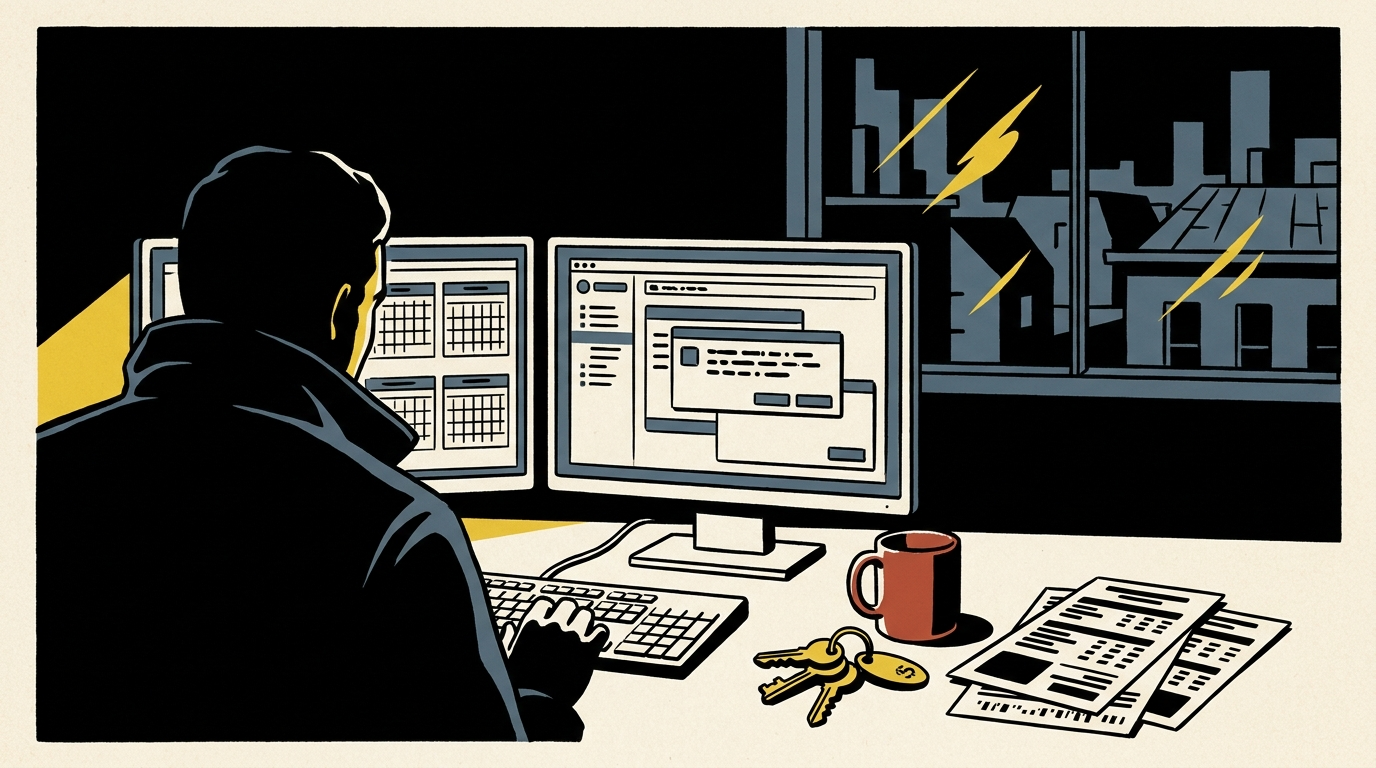
The reservation looked perfect on paper: a 45-day booking during the shoulder season, secured by a quiet professional with a verified profile and a history of positive reviews. The average daily rate was lower than the summer peak, but it promised steady, occupancy-stabilizing revenue that would cover the mortgage and keep the cleaning staff employed through the quiet months. The guest checked in with minimal fuss, declined the weekly mid-stay cleaning offer to maintain privacy, and departed exactly on schedule. The property was left clean, the keys were returned, and a polite five-star review was published before the host even received the monthly electric bill. Then the utility statement arrived, and the entire financial logic of the property collapsed.
A typical residential utility bill in most metropolitan markets hovers within a predictable range, even with seasonal air conditioning or heating spikes. When that bill suddenly multiplies by five, ten, or fifteen times the historical average, it indicates an industrial-level consumption event. What these hosts are discovering, too late, is that their properties have been temporarily requisitioned as unregistered, untaxed data centers. Tech-savvy renters are booking medium-term stays specifically to exploit a massive structural loophole in the short-term and mid-term rental industry: the flat-rate, all-utilities-included pricing model. By setting up high-performance computer hardware to mine digital assets on the host's electricity connection, these guests are converting residential power into personal currency, leaving the property owner to pay the massive overhead.
This is not a minor operational nuisance; it is a direct threat to the financial viability of professional hosting. As municipalities across the globe clamp down on traditional short-term stays, operators have migrated en masse to the mid-term rental market, offering stays of 30 days to six months to bypass local zoning restrictions. But this migration has exposed hosts to a level of utility risk they are utterly unprepared to manage. In the high-stakes game of property yield management, the silent hum of a mining rig in a spare bedroom or basement is the sound of profit margins being systematically erased.
How it actually works
To understand the scale of this exploitation, one must understand the hardware and the physical realities of cryptocurrency mining. Unlike general computing, which occurs in short, variable bursts, digital asset mining relies on continuous, high-intensity calculations that run twenty-four hours a day, seven days a week. This process requires specialized machines known as Application-Specific Integrated Circuits, or custom-built Graphics Processing Unit rigs. These machines are designed with one primary objective: to maximize computing output per watt of electricity consumed. Because the hardware operates at maximum capacity indefinitely, its power draw is constant and unrelenting.
A single modern ASIC mining rig, such as a mid-range model commonly used by amateur and professional operators alike, draws approximately 3,250 watts of electricity continuously. When plugged into a standard residential outlet, a single machine of this caliber will consume 3.25 kilowatts of power every single hour. Over a 24-hour cycle, that equates to 78 kilowatt-hours of consumption. Over a typical 30-day billing cycle, a single machine draws approximately 2,340 kilowatt-hours. For context, according to utility industry data, the average American household consumes roughly 900 kilowatt-hours of electricity per month for all operations combined, including heating, cooling, lighting, and appliances. A single guest operating just one mining rig in a spare room can easily triple the entire property's baseline monthly energy usage.
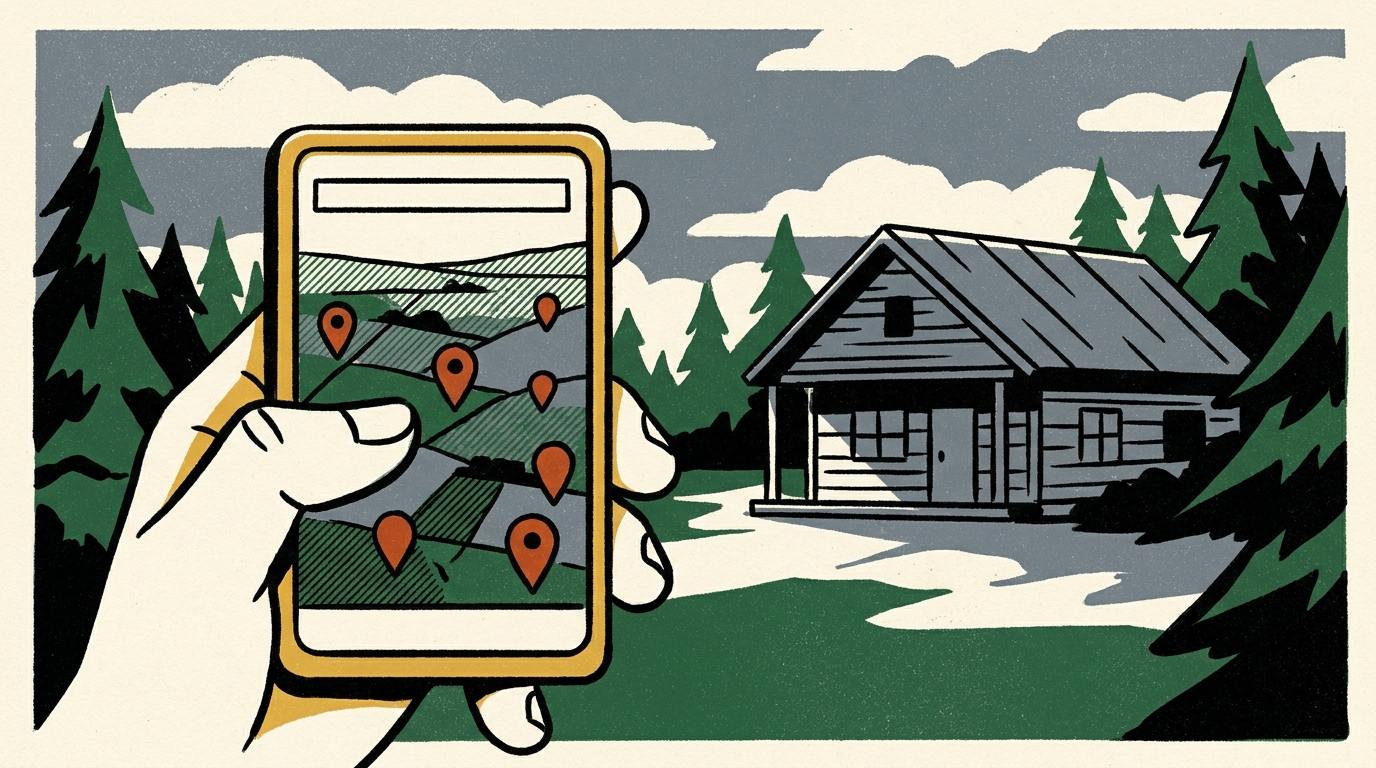
The mechanics of the exploitation are simple. The miner books a property that offers high-speed internet, unlimited utilities, and a lack of on-site supervision. Upon arrival, they set up their equipment in a secluded area of the home, such as a walk-in closet, a basement, or a secondary bedroom. They connect the machines to the property's local network via ethernet or high-bandwidth Wi-Fi and plug them into available wall outlets. From that moment until checkout, the machines run at full throttle, generating digital tokens that go directly into the guest's private digital wallet. Meanwhile, the utility meter on the side of the house spins at a rate typically reserved for commercial manufacturing facilities. The guest pays only the agreed-upon flat monthly rental rate, while the host is legally responsible for the resulting utility bill, which arrives weeks after the guest has checked out and departed.
The shift to mid-term rentals
This vulnerability has grown exponentially due to the structural shifts occurring within the broader short-term rental industry. For years, the standard operating model relied on ultra-short stays: weekend leisure travelers, business tourists, and holidaymakers booking properties for two to five nights. In that environment, cryptocurrency mining was highly impractical. The logistics of transporting heavy, delicate, high-value computing equipment, setting up network configurations, and monitoring heat output are simply not worth the effort for a three-day window. The physical setup alone requires hours of configuration, and the risk of detection by cleaning staff or hosts during frequent turnovers is too high.
However, the regulatory landscape has changed dramatically. Cities like New York, with its strict implementation of Local Law 18, along with municipal councils from Barcelona to San Francisco, have effectively banned or severely restricted rentals of fewer than 30 consecutive days. To survive, professional hosts and property management companies have pivoted their portfolios toward the mid-term rental market. This segment, often referred to as corporate housing, executive rentals, or digital nomad housing, caters to guests staying between 30 and 180 days. These bookings provide excellent occupancy stability, drastically reduce cleaning and turnover costs, and allow operators to remain compliant with strict municipal ordinances.
But this shift has inadvertently created the perfect operational environment for the utility parasite. A stay of 30 days or longer makes the logistics of transporting and assembling mining rigs highly profitable. It justifies the physical effort of moving multiple heavy metal chassis, setting up dedicated ventilation ducts, and configuring remote monitoring software. Furthermore, mid-term guests expect a higher degree of privacy than weekend travelers. Mid-stay cleanings are less frequent or are declined entirely, and hosts are legally and culturally discouraged from entering the property without significant advance notice. Once the guest crosses the threshold and closes the front door, they have uninterrupted, unmonitored access to the property's electrical grid for weeks at a time.
The math of the meltdown
The financial consequences of this activity are devastating because of the way residential utility pricing is structured. Most residential electric utilities do not charge a flat rate per kilowatt-hour. Instead, they operate on tiered pricing structures or time-of-use tariffs designed to penalize high consumption and manage grid load. Under a tiered pricing system, the first block of energy consumed is relatively inexpensive. Once the household exceeds that baseline threshold, the cost per kilowatt-hour rises dramatically into higher tiers. In high-cost energy markets, such as California, the northeastern United States, or parts of Western Europe, these upper-tier rates can be double or triple the baseline rate.
Let us examine how this affects a typical mid-term rental business model. Suppose a host operates a three-bedroom property with an average daily rate of $150. Over a 30-day booking, the gross revenue generated is $4,500. After deducting platform fees, cleaning expenses, property taxes, insurance, and mortgage payments, the host might expect a net operating profit of $1,200. Under normal conditions, the monthly utility bill for this property is $200, which is factored into the operational expenses. However, if a guest runs two mining rigs continuously throughout the stay, the property's energy consumption will spike by nearly 5,000 kilowatt-hours. This massive surge immediately pushes the property into the highest, most expensive tier of utility pricing.
Instead of a standard $200 bill, the host receives a statement for $1,800 or $2,200. In a single stroke, the utility bill has not only eaten the entire projected net profit of $1,200 but has actually pushed the property into a deep net loss for the month. The host has essentially paid out of pocket to host a guest who has systematically degraded the property's electrical infrastructure. When this math is multiplied across a portfolio of multiple managed properties, the financial damage can be severe enough to force smaller operators out of business entirely. The economics of the mid-term rental rely on thin, predictable margins; a single unhedged utility spike can wipe out months of hard-earned revenue.
The hidden cost of thermodynamics
The financial bleeding does not stop at the direct electrical consumption of the mining hardware itself. The first law of thermodynamics dictates that energy cannot be created or destroyed; it can only be transformed. In the case of computer hardware, almost 100 percent of the electrical energy drawn by the microprocessors is converted directly into thermal energy. A mining rig pulling 3,250 watts of electricity is, for all practical purposes, a 3,250-watt space heater running at maximum capacity in a confined space. To prevent the delicate silicon chips from melting, these machines are equipped with high-speed, industrial-grade cooling fans that blow the intense heat directly into the room.
This heat output presents a double-billing catastrophe for the property owner. In warmer climates or during the summer months, the property's central air conditioning system will detect the sudden, massive spike in ambient temperature and attempt to cool the home back down to the set thermostat level. The HVAC system will run continuously, struggling to combat a localized heat source that is hotter than a standard commercial oven. The host is now paying twice: first to power the mining rigs that generate the heat, and second to power the residential air conditioning compressor as it works around the clock to remove that exact same heat from the building. This compounding energy loop can add hundreds of additional dollars to the monthly utility bill and put immense mechanical strain on the property's HVAC system, leading to premature equipment failure and costly replacement fees.
Conversely, in colder climates or during winter, guests will use this thermal byproduct to heat the property, keeping the central heating system off. While this might seem like a partial offset, the localized heat distribution is highly uneven. The room containing the mining rig becomes a stifling sauna, while the rest of the house remains cold. To balance this, guests will often open windows to let the excess heat escape while keeping the machines running. The sheer physical wear and tear of operating a home under these extreme, unbalanced thermal conditions can warp wooden window frames, blister paint in closets, and create condensation problems that lead to mold growth in unventilated spaces. The thermodynamic reality of mining is that the home is treated as an industrial cooling shroud, not a residence.
Platform policies and the grey zone
When hosts discover these astronomical utility bills, their first instinct is to appeal to the booking platforms for reimbursement. However, navigating the dispute resolution mechanisms of major platforms like Airbnb or Vrbo reveals a complex grey zone that rarely favors the property owner. The platforms are designed to prioritize guest retention and friction-free booking experiences. Consequently, their policies regarding post-stay charges for utility usage are incredibly strict, highly bureaucratic, and heavily weighted against the host unless ironclad preventative measures were established before the booking was made.
Under Airbnb's terms of service, a host cannot charge a guest for extra fees or utilities unless those specific fees were clearly outlined, detailed, and disclosed in the house rules *prior* to the booking being accepted. If a host simply lists a flat nightly or monthly rate, the platform operates under the assumption that all standard utilities are fully covered within that rate. If a host attempts to submit a claim through the resolution center after checkout, presenting a $1,500 electric bill as evidence of exploitation, the guest will simply claim they used the air conditioning heavily or had a medical device plugged in. Without explicit, pre-disclosed rules limiting utility consumption or banning commercial activity, customer support agents will routinely deny the claim, classifying the spike as a standard cost of doing business.
Even if a host attempts to use the platform's liability programs, such as Airbnb's AirCover, proving that the excessive utility bill was the direct result of unauthorized commercial activity rather than normal guest usage is an uphill battle. The platform will demand definitive, physical proof that the energy was used for cryptocurrency mining. This requires photos of the hardware insitu, network logs showing connections to known mining pools, or signed statements from certified electricians. Because the guest has already checked out and the hardware has been removed, obtaining this proof is nearly impossible. The host is left holding a massive bill, while the platform retains its service fees and the guest moves on to the next unsuspecting property.
A single guest operating just one mining rig in a spare room can easily triple the entire property's baseline monthly energy usage.
The surveillance and privacy paradox
To prevent this exploitation, hosts must be able to detect the presence of mining hardware. However, doing so has become infinitely more difficult due to recent, sweeping changes in platform privacy policies. In March 2024, Airbnb implemented a historic, global ban on all indoor security cameras within listed properties, regardless of whether their presence was disclosed in the listing or where they were located. This policy update was a major victory for consumer privacy, but it stripped hosts of their most direct tool for monitoring unauthorized property modifications and physical equipment setups.
Without indoor cameras, a host cannot simply look at a feed to see if a guest has erected a metal server rack in the living room or closet. Outdoor cameras, which are still permitted to monitor exterior entry points, can only show a guest carrying heavy cardboard boxes or plastic tubs into the property. But in a mid-term rental context, where guests are moving in for months at a time, carrying multiple boxes of personal belongings is entirely normal. A host cannot reasonably cancel a booking or confront a guest based solely on the fact that they brought luggage and storage containers into the home. The visual evidence is circumstantial at best.
This has forced hosts into a difficult technological and legal corner. To gather actionable data without violating strict privacy rules, operators must rely on indirect monitoring systems. These include smart home energy monitors installed directly inside the main electrical panel, smart thermostats that log HVAC runtimes, and noise decibel monitors that can detect the continuous, high-frequency whine of industrial cooling fans. However, interpreting this data requires technical expertise, and using it to justify an emergency property inspection during an active stay is a legal minefield. Guests can accuse hosts of harassment, violation of privacy, or breach of the rental agreement, which can lead to immediate platform penalties, listing suspension, or legal action under local tenant protection laws.
The fire and liability hazard
While the financial loss of a spiked utility bill is painful, the physical danger that cryptocurrency mining poses to residential real estate is far more alarming. Standard residential electrical infrastructure is built for intermittent, diversified loads. The National Electrical Code and local building regulations dictate how circuits are wired, specifying that standard household outlets are typically connected to 15-amp or 20-amp breakers running at 120 volts. These systems are designed with the assumption that appliances like hair dryers, vacuums, or microwaves will run for short periods, allowing the copper wiring inside the walls to cool down between uses.
Cryptocurrency mining hardware, however, represents a continuous load. Electrical engineering standards dictate that a continuous load (defined as any load running continuously for three hours or more) must not exceed 80 percent of the maximum rating of the branch circuit. A standard 15-amp, 120-volt residential circuit can handle a maximum of 1,800 watts, meaning its safe continuous load limit is just 1,440 watts. If a guest plugs a single 3,000-watt mining rig into a standard bedroom outlet using a common power strip, they are severely overloading the circuit. While the circuit breaker *should* trip to prevent a fire, older, degraded breakers, unpermitted electrical work, or faulty wiring can fail to trigger, causing the wires inside the walls to heat up to catastrophic temperatures.
This extreme, prolonged thermal stress can melt wire insulation, degrade outlet receptacles, and eventually ignite surrounding building materials inside the wall cavities. The risk is compounded because miners often operate their equipment in poorly ventilated areas like closets, where heat build-up is accelerated, or they use cheap, unrated extension cords to run power from multiple different circuits to feed their machines. If a fire breaks out, the host's standard landlord or short-term rental commercial insurance policy may be completely voided. Most insurance providers include strict exclusions for unauthorized commercial operations, industrial manufacturing, or unpermitted electrical modifications. The host could lose their entire property asset with zero insurance recourse, all because of a single unmonitored mid-term booking.
What hosts should do now
To survive in this new operational landscape, hosts and property managers must take proactive, systematic steps to protect their properties and their profit margins. Relying on the goodwill of guests or the retroactive protection of booking platforms is a proven path to financial ruin. Operators must establish clear boundaries, deploy smart monitoring infrastructure, and update their legal frameworks to ensure that utility consumption remains within safe, predictable, and profitable parameters.
- Update House Rules and Rental Agreements: Explicitly state in your platform listing, house rules, and formal rental agreements that cryptocurrency mining, AI model training, data routing, and any other high-density commercial computing activities are strictly prohibited. Define clear financial penalties for violations, including immediate eviction without refund and full liability for all associated utility costs.
- Implement Structured Utility Caps: For all stays lasting 28 days or longer, include a clear utility cap in the rental agreement (e.g., $150 or $200 per month). Specify that any utility charges exceeding this baseline will be billed directly back to the guest, supported by official utility company statements. This protects your margins while remaining fair to normal, high-use guests.
- Install Panel-Level Energy Monitors: Deploy smart home energy monitoring systems, such as Sense or Emporia, directly into your property's main electrical panel. These devices use machine learning to identify the unique electrical signatures of different appliances. They can detect the continuous, unvarying draw of a mining rig within hours, sending an automated alert to your phone without violating guest privacy.
- Derate and Protect Electrical Circuits: Work with a licensed electrician to install tamper-resistant outlets, smart circuit breakers, or sub-panels that limit the maximum continuous draw on individual branch circuits. If a guest attempts to draw industrial-grade power from a bedroom outlet, the smart system can automatically throttle the load or trip the circuit safely, preventing both electrical fires and excessive utility bills.
The mid-term rental market remains one of the most lucrative and resilient segments of the hospitality industry, but it requires professional-grade operational controls. By treating utility management with the same financial rigor as dynamic pricing, cleaning standards, and tax compliance, hosts can successfully insulate themselves from the high-tech parasites of the digital age. Protect your grid, secure your margins, and run your properties like the sophisticated businesses they are.
Checked by the standards desk (Eleanor Quist): every specific in this story was traced to its source material before publication.
About this piece
An original expert-analysis column by the Stay Gazette desk. Figures are illustrative of how the market behaves; confirm specifics for your own market before you act.


Read the desk every morning.
The day's crackdowns and platform moves, the money, the design and the stays going viral, plus the desk's verdict, in one short email every morning.