The Ghost in the P&L: The High-Yield, High-Risk Business of Haunted Short-Term Rentals
Sleeping in a 1900s morgue sounds like a dare. For short-term rental operators, converting stigmatized historic properties is a masterclass in high-yield marketing.
Death has always been a reliable business, but it used to require a license, a quiet demeanor, and a steady supply of embalming fluid. Today, all it takes is an active Airbnb host account, a box of electromagnetic field meters, and a property with a deeply uncomfortable past. In the hyper-competitive world of short-term rentals, where standard suburban three-bedroom homes are drowning in a sea of identical beige decor and falling average daily rates, a new breed of operators is discovering that the quickest way to stand out is to lean into the macabre. They are not selling comfort; they are selling a brush with the afterlife.
The conversion of a historic 1900s morgue into a short-term rental marketed as the most haunted property on the platform is the latest, most extreme marker of a trend that has been quietly building for a decade. It represents the intersection of two powerful forces: the explosive growth of dark tourism and the desperate search for listing differentiation in a saturated market. For property managers and real estate investors watching from the sidelines, the listing is more than a novelty act. It is a masterclass in how to turn a real estate liability—a stigmatized property that most traditional buyers would avoid at all costs—into a high-yield, cash-flowing asset. But beneath the theatrical ghost hunts and the thrill-seeking guest reviews lies a complex web of liability, regulatory tightropes, and ethical questions that most operators are completely unprepared to handle.
To understand the financial mechanics of this listing, one must look past the campy ghost-hunting gadgets and look closely at the underlying real estate strategy. In an era where the cost of acquiring traditional residential real estate has skyrocketed, and local municipalities are cracking down on standard vacation rentals with aggressive zoning restrictions, the margins on standard properties are shrinking. The operators who survive the next phase of the short-term rental industry will be those who know how to manufacture demand where none previously existed. And as it turns out, nothing manufactures demand quite like a century of dead bodies.
What happened
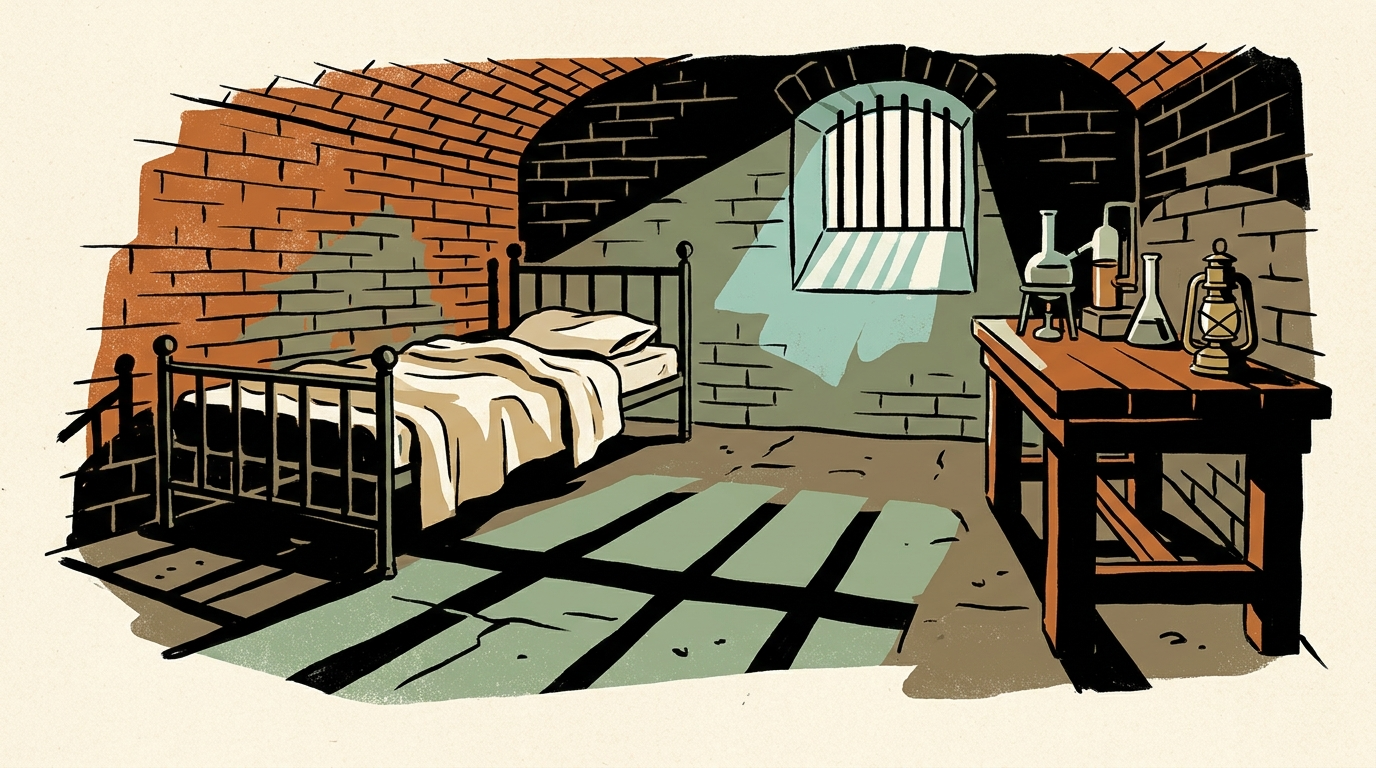
According to a report by the-sun.com, a historic morgue dating back to the early 1900s has been converted into a short-term rental, quickly earning a reputation among travelers as one of the most haunted listings on Airbnb. The property, which once served as a cold storage and preparation facility for the deceased, now invites paying guests to spend the night in the very rooms where bodies were once prepared for burial. To lean into this macabre history, the operators have equipped the property with paranormal investigation equipment, encouraging guests to actively search for ghosts and document their experiences during their stay.
The listing leans heavily on its grim origins, offering an experience that stands in stark contrast to the standard clinical cleanliness of modern hospitality. Instead of shielding guests from the building's historical function, the hosts have made the morgue's original purpose the central selling point. Guest reviews and media coverage have quickly elevated the property's profile, turning it into a destination for paranormal enthusiasts, content creators, and travelers looking for an unconventional thrill. It is a stark departure from the traditional hospitality playbook, proving that what once made a property entirely unmarketable can now become its greatest asset.
The property has captured the attention of the short-term rental industry not just for its shock value, but for its operational audacity. By providing specialized ghost-hunting gear, the hosts have successfully gamified the stay, transforming a passive overnight accommodation into an active, participatory experience. This interactive element has allowed the property to bypass the usual commoditization of the lodging market, commanding premium rates and generating significant organic marketing buzz across social media platforms, which in turn drives sustained occupancy without the need for expensive paid advertising campaigns.
The economics of dark tourism
Dark tourism—the practice of traveling to places historically associated with death, tragedy, or the macabre—is not a new phenomenon. For centuries, travelers have flocked to Roman ruins, historic battlefields, and the catacombs of Europe. What has changed is the hyper-localization and commercialization of this desire. In the past, dark tourism was dominated by state-run museums, historic monuments, and guided walking tours. Today, platforms like Airbnb, Vrbo, and Booking.com have decentralized the experience, allowing individual property owners to monetize local lore, historical tragedies, and paranormal reputations on a nightly basis.
From an investment perspective, the financial model of a dark tourism rental is incredibly compelling. The primary challenge for any short-term rental operator is the cost of customer acquisition. In a market saturated with standard vacation homes, hosts must spend heavily on professional photography, search engine optimization, and platform promotions just to maintain basic occupancy levels. A haunted morgue, however, possesses a built-in marketing hook. The historical narrative acts as a natural filter, attracting a highly motivated, high-intent audience of paranormal tourists who are actively searching for this exact experience. These travelers are not comparing the property to a local Hilton or a standard condo; they are buying an exclusive adventure, which makes them highly price-inelastic.
Data from short-term rental analytics firms like AirDNA consistently demonstrates that highly themed, unique listings command a significant price premium over standard listings in the same geographic region. While a typical two-bedroom home in a secondary market might struggle to maintain a fifty percent occupancy rate at a moderate nightly fee, a property with a distinct, historically backed narrative can easily command three to four times that rate, often maintaining high booking volumes even during traditional off-peak seasons. The revenue potential is driven not by the physical amenities of the property, but by the emotional utility of the story being sold. For investors, this represents an opportunity to generate exceptional yields from properties that would otherwise be considered distressed or undesirable.
What once made a property entirely unmarketable has now become its greatest asset, turning psychological stigma into pure cash flow.
The Stambovsky precedent and stigmatized real estate
To fully appreciate the business of haunted real estate, one must understand how the legal system and the market view these properties. In traditional real estate, a home with a reputation for paranormal activity, or one that was the site of a notorious crime, is classified as a stigmatized property. Under standard disclosure laws in many jurisdictions, sellers are legally obligated to reveal these histories to potential buyers. Failure to do so can result in costly lawsuits and the rescission of sales contracts. This stigma typically results in a fifteen to twenty-five percent discount on the property's market value, and such homes often sit on the market for years, avoided by traditional buyers who fear the psychological weight of the home's past.
The seminal legal case governing this phenomenon is Stambovsky v. Ackley, a 1991 decision by the New York Appellate Division, colloquially known as the Ghostbusters ruling. In that case, a buyer sought to rescind a contract to purchase a historic home after discovering that the seller had widely publicized the property as haunted in local media and national publications. The court, in a famous and surprisingly humorous opinion, ruled that because the seller had actively promoted the house as haunted, she was legally estopped from claiming otherwise, declaring that as a matter of law, the house was haunted. The court allowed the buyer to rescind the contract, establishing a clear precedent: a property's psychological reputation is a material fact that can affect its value and marketability.
For short-term rental operators, the Stambovsky precedent is not a warning; it is a blueprint. By embracing and formalizing the property's reputation, an operator can acquire a high-potential asset at a steep discount, bypass the traditional residential buyers who are scared away by the history, and immediately reposition the property for the high-yield travel market. The very stigma that depressed the asset's purchase price becomes the engine of its operational profitability. What is a disqualifying defect for a long-term resident is a premium amenity for a weekend traveler, representing a massive arbitrage opportunity for creative real estate investors who possess the stomach for unconventional assets.
The operational minefield of historic conversions
While the financial return on a converted historic morgue can be substantial, the operational path to launch is littered with regulatory and structural obstacles. Converting an early 20th-century commercial facility into a modern, code-compliant residential space is vastly different from remodeling a suburban basement. Historic structures were built under entirely different construction standards, using materials and layouts that are often completely incompatible with modern municipal safety codes.
The first major hurdle is zoning and change-of-use permits. A historic morgue was almost certainly zoned for commercial, light industrial, or institutional use. To legally operate the property as a short-term rental, an owner must typically secure a variance or a complete rezoning to residential or commercial lodging. This process requires public hearings, community notifications, and architectural reviews. Local zoning boards are notoriously conservative, and the prospect of turning a former morgue into a high-turnover tourist attraction often draws swift, vocal opposition from nearby residents who worry about traffic, noise, and the general commercialization of their neighborhood.
The second challenge is physical compliance. Historic preservation laws often restrict the modifications an owner can make to the exterior and interior of a building. At the same time, local building departments require strict adherence to modern safety standards, including the installation of hardwired smoke detectors, fire suppression systems, carbon monoxide alarms, and clearly marked emergency exits. Balancing these two competing regulatory forces is an expensive, time-consuming endeavor. For example, installing modern electrical wiring and plumbing through historic, load-bearing brick or stone walls without disturbing the historic fabric of the building requires specialized contractors, driving up capital expenditure budgets and delaying the property's time-to-market.
The liability void of the paranormal
Beyond building codes and zoning ordinances lies the murky territory of liability and commercial insurance. Standard short-term rental insurance policies, including the basic liability coverages provided automatically by platforms like Airbnb's AirCover or Vrbo's host protection programs, are designed for typical residential use. They are built around the assumption that guests will use the property for sleeping, cooking, and standard leisure activities. They are absolutely not designed to cover the unique risks associated with active paranormal investigations, darkened historic spaces, and guest-led ghost hunts.
When a host provides specialized equipment like electromagnetic field detectors, spirit boards, or thermal cameras, they are actively encouraging guests to explore the property in pitch darkness. This operational choice introduces a massive risk of slip-and-fall injuries, which are already the single most common source of liability claims in the short-term rental industry. A guest who trips over an uneven historic floorboard or tumbles down a narrow, century-old staircase while staring at a ghost-hunting device in the dark is highly likely to file a personal injury claim. Under scrutiny, a standard insurance carrier may deny coverage, arguing that the host actively facilitated a hazardous activity that falls outside the scope of normal residential occupancy.
To mitigate this risk, operators of experiential or historic properties must secure specialized commercial liability insurance policies. These policies, which are often underwritten by specialty surplus lines carriers, require detailed operational disclosures, higher premiums, and strict safety protocols. Underwriters will often mandate that the host implement specific safety measures, such as low-profile path lighting, clear warning signage, and mandatory liability waivers signed by every guest prior to arrival. Relying on basic platform-provided insurance in a property like a historic morgue is an existential risk that can lead to catastrophic financial ruin for the property owner if a major injury occurs.
The theatricality of the listing
The success of a haunted short-term rental depends entirely on the host's ability to balance authenticity with theatricality. The goal is to create an atmosphere that feels genuinely historical and slightly unsettling, without crossing the line into a cheap, Halloween-style haunted house. Modern travelers are highly sophisticated; they can spot artificial, plastic props from a mile away, and such additions quickly cheapen the experience, leading to poor reviews and a decline in booking momentum.
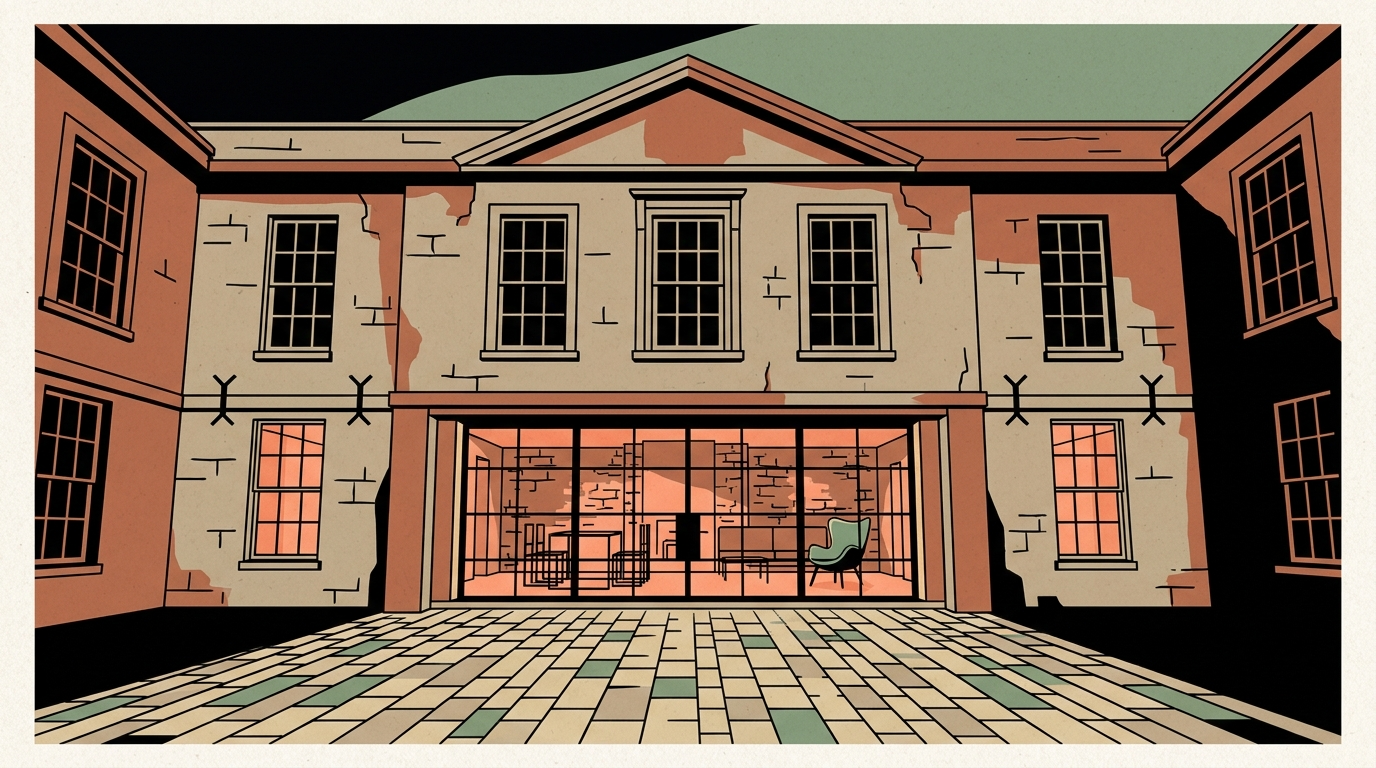
To maintain a high-end feel, successful operators focus on preserving the original architectural elements of the building. In a historic morgue, this means keeping the original brickwork, the industrial metal fixtures, and the cold, utilitarian layout of the space. The decor should complement the history, utilizing antique furniture, period-accurate lighting, and historical documents or photographs that tell the story of the building's past. The paranormal equipment should be presented as an educational tool rather than a gimmick, allowing guests to interact with the history of the space on their own terms.
This approach also helps manage guest expectations, which is one of the most difficult operational challenges in this niche. When you market a property as the most haunted Airbnb, you are setting an incredibly high bar. If a guest spends hundreds of dollars a night and does not experience a supernatural encounter, they may feel disappointed and leave a negative review. By framing the stay around historical preservation, architectural appreciation, and atmospheric storytelling, you ensure that the guest receives value even if the resident spirits remain quiet during their stay. The ghost-hunting element should be positioned as a potential bonus, not a guaranteed amenity.
The ethics and local backlash
Monetizing a space associated with death and grief carries significant ethical responsibilities that operators ignore at their own peril. A historic morgue is not just a building; it is a place where members of the local community once experienced profound loss. It was a space of transition, sorrow, and solemnity. When an outside investor purchases such a property and converts it into a tourist attraction, the local community can easily view the enterprise as disrespectful, exploitative, and tasteless.
This ethical tension often manifests as direct operational risk in the form of local backlash. Neighbors who are indifferent to standard short-term rentals can become highly motivated and organized when confronted with a haunted tourist site in their backyard. They can attend city council meetings, lobby for restrictive local ordinances, file noise and parking complaints, and pressure local health and safety inspectors to scrutinize the property. In extreme cases, community opposition can result in the revocation of the property's operating license, rendering a costly conversion completely worthless.
To survive long-term, operators must proactively manage their relationship with the local community. This means engaging with local historical societies, respecting the history of those who passed through the facility, and avoiding sensationalist or exploitative marketing tactics. Some successful operators donate a portion of their booking revenue to local historic preservation efforts or open the property for educational tours for residents. By demonstrating a genuine commitment to preserving the history of the building and contributing positively to the neighborhood, hosts can neutralize local opposition and build a sustainable, respected business that honors the past rather than merely exploiting it.
What hosts should do now
If you are considering acquiring or converting a historic, unique, or potentially stigmatized property to capture the dark tourism market, you must approach the project with a rigorous, business-first mindset rather than a hobbyist's enthusiasm.
- Conduct a comprehensive regulatory and zoning audit of the property prior to acquisition, ensuring that a change-of-use permit is legally and politically feasible in the local municipality.
- Secure specialized commercial liability insurance from a surplus lines broker, ensuring the policy explicitly covers experiential guest activities and historic property hazards.
- Invest in professional, low-profile safety infrastructure, including path lighting, emergency exit signage, and modern fire suppression systems that do not compromise the historic aesthetic.
- Position your marketing copy around historical preservation, architectural authenticity, and atmospheric storytelling rather than guaranteeing active paranormal encounters to manage guest expectations.
- Build proactive relationships with local historical societies and immediate neighbors, incorporating their feedback and supporting local preservation initiatives to mitigate community backlash.
The market for unique, experiential short-term rentals is growing, and historic conversions like the 1900s morgue prove that travelers are willing to pay a premium for stories they cannot find in a standard hotel. But the operators who succeed in this space will not be those who chase cheap thrills; they will be the disciplined investors who understand how to manage the complex structural, legal, and community realities of historic real estate.
Checked by the standards desk (Eleanor Quist): every specific in this story was traced to its source material before publication.

Read the desk every morning.
The day's crackdowns and platform moves, the money, the design and the stays going viral, plus the desk's verdict, in one short email every morning.