
Japan's Minpaku Boom Defies the Regulatory Death Sentence
Despite a draconian 180-day cap and local municipal bans, Japan's short-term rental market is thriving. Here is how professional operators are outmaneuvering the bureaucrats.
The death of the Japanese short-term rental was announced prematurely in the summer of 2018. When the Private Lodging Business Act, locally known as the minpaku law, took effect, it wiped out nearly eighty percent of the country’s Airbnb listings overnight. Bureaucrats and traditional hoteliers celebrated what they assumed was the final containment of an unruly digital disruption. The law capped rentals at an arbitrary one hundred and eighty nights per year, buried hosts under mountains of paperwork, and handed local municipalities a blank check to write their own even more restrictive local rules. It seemed like a classic case of regulatory strangulation, designed to protect the domestic hotel lobby and appease conservative neighborhood associations.
Yet, six years later, the short-term rental industry in Japan is not just surviving; it is experiencing an unprecedented, highly profitable renaissance. According to a recent report by Japan Today, minpaku lodgings are going strong across the country, stubbornly defying the local ordinances meant to restrict or eliminate them. The regulatory wall that was built to lock out operators has instead forced them to professionalize, adapt, and scale. What was once an amateur side-hustle dominated by casual spare-room hosts has transformed into a sophisticated, institutionalized real estate asset class.
The survival of the Japanese short-term rental is a masterclass in operational agility. While local governments in Tokyo, Kyoto, and other major cities continue to pass restrictive ordinances, they are finding that the market moves faster than the bureaucracy. By utilizing alternative licensing frameworks, developing clever hybrid leasing models, and capitalizing on a historic surge in inbound tourism, professional operators have turned a highly regulated environment into an exceptionally high-yield playground. The story of Japan’s resilient minpaku sector is not just a local anomaly; it is a blueprint for how the global short-term rental industry adapts when pushed to the absolute brink.
What happened
The immediate catalyst for the current minpaku boom is a massive imbalance between supply and demand in the Japanese hospitality sector. Inbound visitor arrivals have surged to historic highs throughout much of 2024, driving massive demand for alternative accommodations. This historic influx of foreign travelers has been supercharged by the dramatic depreciation of the Japanese yen, which has reached multi-decade lows against major global currencies. Foreign visitors are arriving in Japan with unprecedented purchasing power, and they are spending money at rates never seen before the pandemic.
This tourism tsunami has pushed traditional hotels to their absolute limits. Average daily rates for standard hotel rooms in major Japanese cities have soared compared to pre-pandemic baselines. Standard hotel rooms that were once highly affordable now frequently command premium rates, pricing out many budget-conscious travelers. Furthermore, traditional Japanese hotel rooms are notoriously small, often unable to comfortably accommodate families or groups of more than two people.
This is the exact market gap that minpaku lodgings have stepped in to fill. As reported by Japan Today, short-term rentals are seeing exceptional occupancy rates and premium pricing because they offer the space, kitchens, and laundry facilities that modern international travelers demand. Despite local ward offices and municipal governments continuing to enforce and expand restrictive ordinances, the absolute necessity of short-term rental inventory to support the country's tourism goals has made outright prohibition impossible. The market has simply found a way around the barriers, leaving regulators to play an endless game of catch-up.
The 180-day trap and the local veto
To understand how operators are thriving today, one must first understand the regulatory straightjacket that was supposed to kill them. When the Private Lodging Business Act was implemented on June 15, 2018, it established a national framework for minpaku. On the surface, the law was presented as a path to legalization. In practice, it was highly restrictive. The headline restriction was the one hundred and eighty-day annual cap on operations. For any property registered under the minpaku framework, renting out the space for more than one hundred and eighty nights between April 1 and March 31 of the following year was strictly illegal.
But the true weapon of local regulators was a clause in the Act that granted local governments the explicit authority to enact their own municipal ordinances, known as jorei, to further restrict minpaku operations. Local assemblies were permitted to curtail rental days or ban operations entirely in specific zones if they deemed it necessary to prevent noise, garbage disputes, or general residential disturbance. Municipalities did not hesitate to use this power.
Kyoto, the cultural capital of Japan, enacted an ordinance that effectively banned minpaku in residential zones during the high seasons. Under Kyoto’s rules, short-term rentals face severe seasonal and zoning restrictions in residential areas. In Tokyo, the ward of Shinjuku banned weekday minpaku operations in residential zones. Other Tokyo wards quickly followed suit with similar weekday bans to protect residential tranquility. For the casual host who rented out an apartment to help pay the mortgage, these localized bans made the business model completely non-viable.
The result of these severe local restrictions was an immediate and massive contraction in the supply of short-term rentals. Airbnb was forced to deactivate thousands of listings that did not possess a valid registration number. Many observers believed that the Japanese short-term rental market had been permanently crippled, relegated to a marginal, highly regulated niche. However, this regulatory purge did not destroy the market; it merely cleared the field of amateur operators and set the stage for a massive wave of professional innovation.
The ryokan loophole
The intended consequence of these restrictive ordinances was to clear residential neighborhoods of short-term rentals. The unintended consequence, however, was the rapid professionalization of the entire industry. Realizing that the standard minpaku registration was a financial dead end due to the one hundred and eighty-day limit and municipal bans, professional operators shifted their focus to a completely different regulatory pathway: the Hotel Business Act.
Under the Hotel Business Act, operators can apply for a simple lodging license, known as kan'i shukujo. Historically, this license was designed for traditional Japanese inns, youth hostels, and capsule hotels. Crucially, a kan'i shukujo license does not have an annual operational cap. A property with this license can operate three hundred and sixty-five days a year. Furthermore, because it is licensed as a hotel rather than a residential minpaku, it is completely exempt from the restrictive municipal minpaku ordinances.
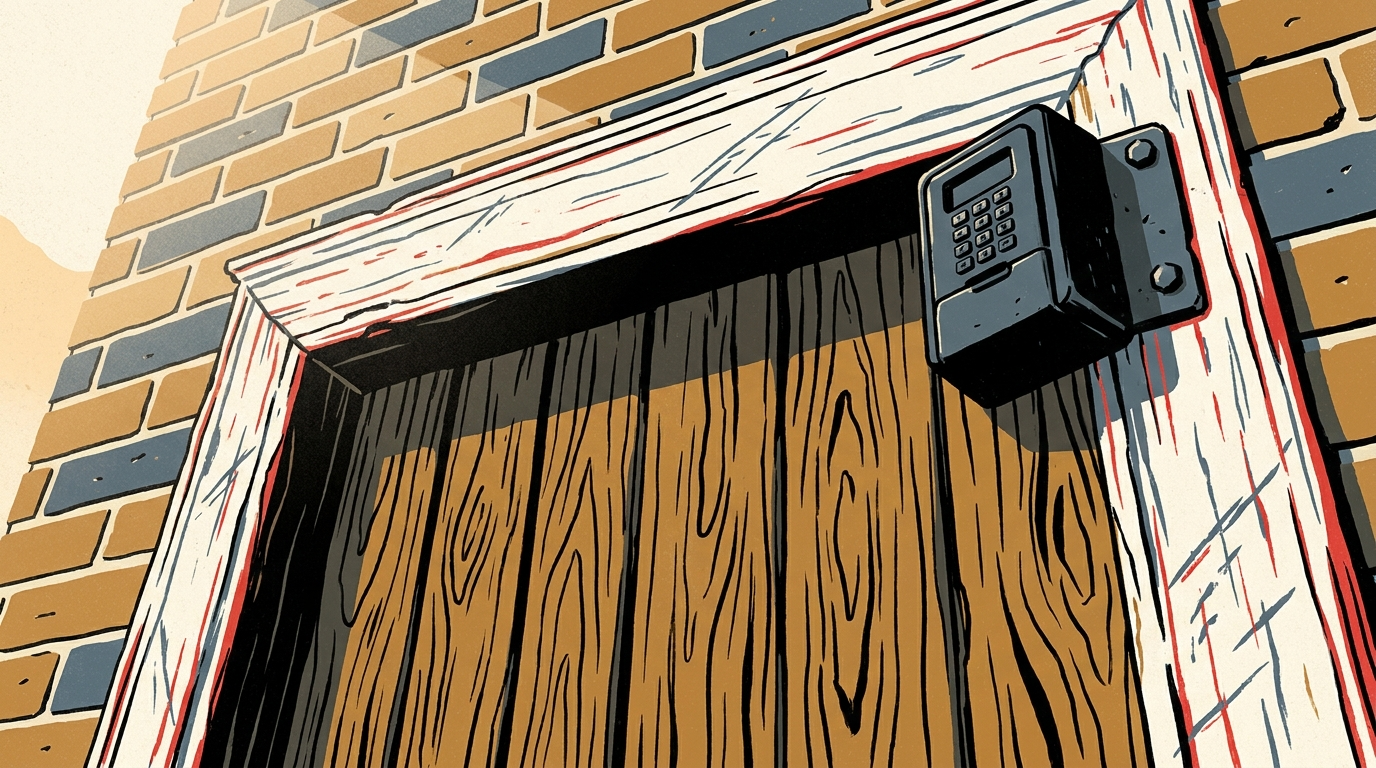
Obtaining a simple lodging license is not easy. It requires strict adherence to commercial building codes, advanced fire safety regulations, and zoning laws. Properties must be equipped with automatic fire alarm systems, emergency exit signage, fire-resistant doors, and dedicated ventilation systems. In the past, the law also required a physical front desk on the premises. However, in a major regulatory shift, the national government relaxed the front desk requirement, allowing operators to use digital check-in terminals with real-time video verification systems instead.
This regulatory relaxation opened the floodgates. Professional property management companies began partnering with developers to buy small, narrow apartment buildings, often referred to as pencil buildings, in commercial or semi-commercial zones of Tokyo and Osaka. By upgrading these structures to meet hotel-grade fire safety standards and installing digital check-in kiosks, these operators secured kan'i shukujo licenses. They bypassed both the one hundred and eighty-day cap and the local ward restrictions entirely, creating highly profitable, fully automated micro-hotels that operate with the efficiency of a short-term rental.
The financial implications of this shift are staggering. A property operating under a standard minpaku license is legally dark for over half the year, forcing the host to absorb fixed holding costs while generating zero revenue. In contrast, a kan'i shukujo property can maintain high occupancy year-round, capturing peak demand during holidays and maintaining steady business travel during the off-season. This regulatory workaround has turned what was once a highly restricted asset class into one of the most lucrative real estate plays in urban Japan.
The special zone alternative
For operators who cannot obtain a full kan'i shukujo license due to zoning or architectural constraints, another powerful regulatory alternative exists: the National Strategic Special Zone framework, commonly referred to as Tokku Minpaku. This system was established by the national government to promote tourism and economic development in designated areas, bypassing certain restrictive national laws.
Under the Tokku Minpaku framework, local governments in designated special zones have the authority to authorize short-term rentals that are completely exempt from the one hundred and eighty-day annual cap. While some operators utilize special zone frameworks that bypass the annual cap, these properties remain subject to minimum stay requirements that vary by jurisdiction.
Several major urban jurisdictions have embraced special zone frameworks to accommodate the tourism boom. For operators in these areas, the minimum stay is a highly manageable restriction that aligns perfectly with the average stay duration of international tourists. Because these properties can operate three hundred and sixty-five days a year, they offer a highly attractive alternative to the standard minpaku registration.
The Tokku Minpaku system demonstrates the deep internal contradictions within Japan's regulatory approach to short-term rentals. While local ward offices in central Tokyo pass highly restrictive ordinances to appease neighborhood voters, the national government and major metropolitan assemblies actively maintain special zones to ensure the hospitality sector can accommodate the millions of tourists driving economic growth. Smart operators have learned to position themselves directly within these regulatory sweet spots, maximizing their operational days while remaining fully compliant.
The hybrid strategy
For properties located in strictly residential zones where zoning laws make a hotel license impossible, and where Tokku Minpaku rules do not apply, operators had to get even more creative. They developed what is now widely known in the Japanese short-term rental community as the hybrid model. This strategy is a masterclass in regulatory arbitrage, combining short-term minpaku operations with mid-term residential leasing.
Under the Japanese Civil Code and the Landlord and Tenant Act, a lease of thirty days or more is classified as a standard tenancy rather than a short-term lodging. Crucially, these mid-term rentals do not count toward the one hundred and eighty-day minpaku cap. This legal distinction allowed operators to divide their calendar into two distinct phases.
During the high-yield travel seasons, which include the spring cherry blossom season, the autumn foliage period, and the New Year holidays, operators run the property as a standard minpaku. They price these nights at a premium, capturing the peak of international demand. Because they only need to use the short-term rental market for the most profitable one hundred and eighty days of the year, they do not feel the sting of the annual cap.
For the remaining one hundred and eighty-five days of the year, typically during the quieter winter and mid-summer months, the property is transitioned to the mid-term market. Operators list the apartments on specialized platforms targeting corporate relocations, international students, and the rapidly growing demographic of global digital nomads. These guests sign fixed-term lease agreements, known as teiki shakuga, for thirty to ninety days. While the daily rate for a mid-term tenant is lower than a short-term tourist, the operational costs are significantly lower, and the occupancy is guaranteed for months at a time. This hybrid approach often yields a higher net operating income than a standard, full-time long-term rental, all while remaining completely compliant with the letter of the law.
The success of the hybrid model relies heavily on automated property management systems. Transitioning a property from a daily vacation rental to a monthly corporate apartment requires a highly coordinated operational workflow. Cleaning protocols must be adjusted, linen services must be managed, and guest communication must transition from tourist-oriented local guides to tenant-oriented utility and internet setup instructions. Professional management companies have built proprietary software platforms that automate this seasonal transition, allowing operators to maximize their yields with minimal hands-on intervention.
The tourism tsunami and the weak yen engine
The operational cleverness of Japanese hosts would mean very little without the massive macroeconomic tailwinds currently driving the country’s economy. The Japanese yen has experienced a historic decline in value over the past three years. This currency depreciation has acted as a massive discount coupon for international travelers, making Japan one of the most affordable high-income travel destinations in the world.
According to retail and hospitality data, the average spend per foreign tourist in Japan has risen dramatically. Travelers are not just staying longer; they are upgrading their accommodation choices. However, because traditional hotel construction has not kept pace with the explosive growth in visitor numbers, hotel room rates have surged to levels that are unsustainable for many mid-market travelers.
This is particularly true for families and multi-generational groups traveling from other parts of Asia, North America, and Europe. A family of four traveling to Tokyo would typically need to book two separate rooms at a traditional business hotel, costing upwards of four hundred to five hundred dollars per night. Alternatively, they can rent a spacious, multi-bedroom minpaku apartment in a neighborhood like Asakusa or Shinjuku for half that price, with the added benefit of kitchen facilities to save on dining costs. The economic value proposition of short-term rentals in Japan has never been stronger, and this demand pressure is what keeps the minpaku sector highly lucrative despite any regulatory hurdles.
Moreover, the rising cost of traditional hotel operations in Japan has further widened the competitive gap. Hotels are grappling with severe labor shortages, particularly in housekeeping and front-desk staff, which has limited their capacity and forced them to keep room rates high to cover rising wages. Minpaku properties, which utilize decentralized cleaning networks and automated digital check-in systems, operate with significantly lower labor overhead. This allows short-term rental operators to maintain highly competitive pricing while capturing exceptionally high profit margins that traditional hotels simply cannot match.
Local backlash and the quiet enforcement deficit
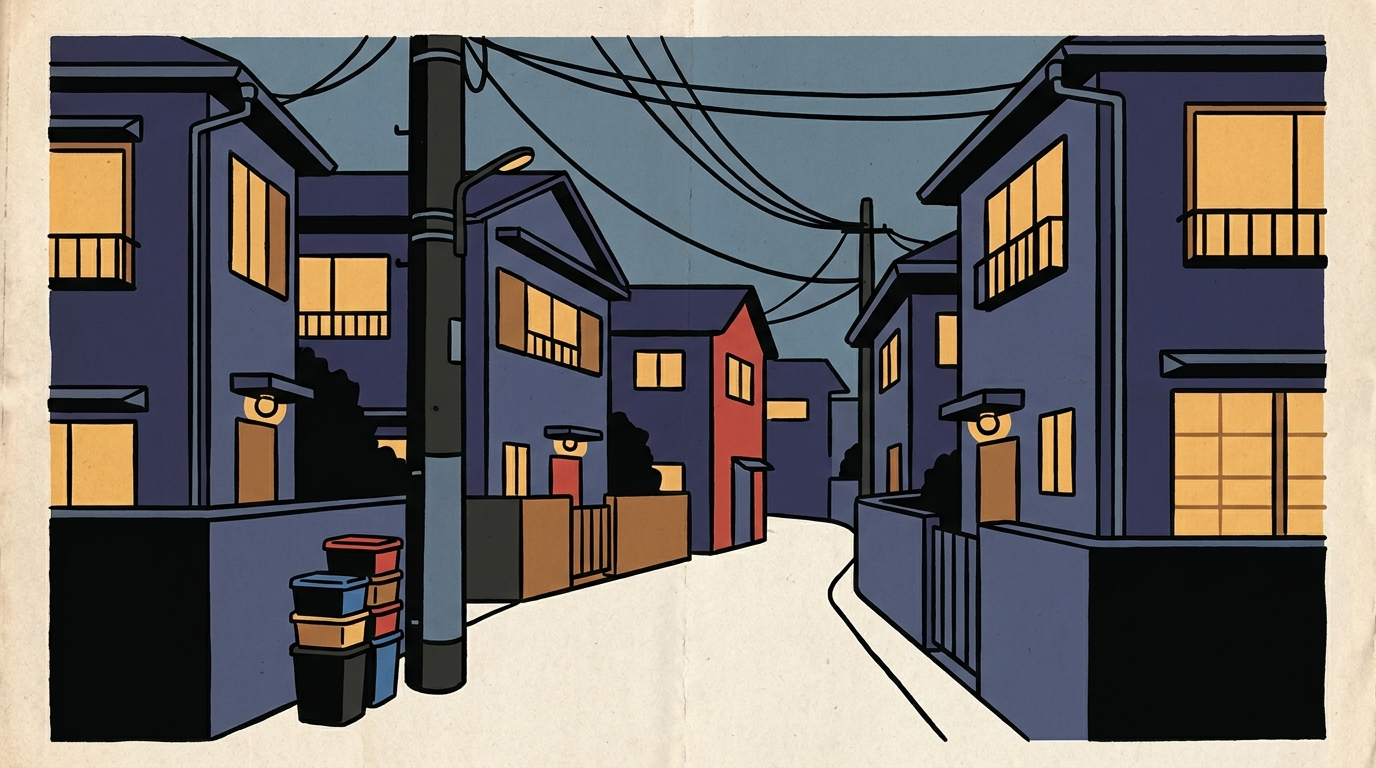
While the economic arguments in favor of minpaku are clear, the political reality at the local level remains highly contentious. Neighborhood associations, known as chonaikai, have long been a powerful force in Japanese civic life. These associations are dominated by elderly, long-term residents who value quiet, order, and strict adherence to local customs, particularly regarding trash disposal.
In Japan, sorting and disposing of garbage is a highly complex civic ritual, with different types of waste collected on specific days of the week in specific colored bags. For foreign tourists who do not understand these rules, trash disposal is a frequent source of friction. This friction, along with complaints about noise in thin-walled residential buildings and unfamiliar faces in secure apartment lobbies, is what drove the original local ordinances.
However, municipal authorities are facing a quiet enforcement deficit. Local ward offices are notoriously understaffed and highly bureaucratic. They do not have the resources or the mandate to actively patrol residential neighborhoods looking for unauthorized short-term rentals. Instead, they operate almost entirely on a reactive basis, responding only when a neighbor files a formal complaint.
Professional management companies have realized this and have designed operations to completely eliminate neighborhood friction. They install smart noise monitors that alert the management team if decibel levels exceed a certain threshold, allowing them to message the guest before a neighbor is disturbed. They hire professional cleaning companies that handle all trash removal internally, bypassing the public garbage collection points entirely. By making their properties virtually invisible to the neighborhood, professional operators have neutralized the primary trigger for regulatory enforcement.
This operational invisibility has created a peaceful coexistence between short-term rentals and residential communities. When properties are managed professionally, neighbors rarely realize that the guests next door are temporary tourists rather than long-term tenants. This quiet compliance has allowed the minpaku sector to expand steadily in residential areas, even under the shadow of highly restrictive local ordinances.
The institutionalization of Japanese STRs
The long-term consequence of this regulatory and operational evolution is the complete institutionalization of the Japanese short-term rental market. The days of the individual host renting out a spare bedroom to make some extra cash are largely over. The cost of compliance, from installing fire safety systems to managing complex hybrid calendars and coordinating with professional cleaning crews, is simply too high for amateurs.
In their place, institutional capital has entered the market. Foreign and domestic real estate funds, private equity firms, and major developers are now actively building or acquiring properties specifically designed for short-term rental operations. These institutional players do not buy single apartments; they buy entire residential buildings or construct them from the ground up, ensuring that every unit is fully licensed under the Hotel Business Act as a simple lodging from day one.
These purpose-built short-term rental buildings are designed with operational efficiency in mind. They feature keyless entry systems, centralized digital check-in lobbies, and durable, easy-to-clean interiors. Because the entire building is dedicated to short-term rentals, there are no long-term residential tenants to complain about guest noise or trash. This institutional model has turned short-term rentals in Japan into a highly predictable, high-yield real estate asset class that attracts significant global investment.
The entry of institutional capital has also led to a massive consolidation among property management companies. Small, localized managers are being acquired by larger, tech-enabled operators that can manage thousands of units across multiple cities. These large-scale operators utilize advanced dynamic pricing algorithms, centralized laundry and maintenance facilities, and multi-lingual customer service centers to maximize occupancy and minimize costs. This consolidation has raised the barrier to entry even higher for individual hosts, cementing the transition of Japan's minpaku market from a casual sharing economy to a highly professionalized hospitality sector.
The regulatory wall that was built to lock out operators has instead forced them to professionalize, adapt, and scale.
What hosts should do now
For operators looking to capitalize on Japan's booming travel sector, the path forward requires a strict commitment to professionalization and a deep understanding of local zoning and licensing frameworks. Casual hosting is no longer a viable long-term business model in Japan's major urban centers. Success in this market demands a highly strategic, legally bulletproof approach that aligns with municipal expectations while maximizing operational efficiency.
- Target commercial zoning: When acquiring new properties, focus exclusively on land zoned for commercial or semi-commercial use, which allows for hotel licensing and avoids restrictive residential ordinances. This ensures long-term operational security and eliminates the risk of sudden municipal bans.
- Pursue the simple lodging license: Invest the necessary capital upfront to upgrade properties with professional fire safety systems, automatic alarms, and digital check-in systems to secure a kan'i shukujo license, freeing the property from the one hundred and eighty-day annual cap. This license allows for three hundred and sixty-five days of operation, vastly improving yield.
- Implement the hybrid model in residential areas: If operating in a strictly residential zone, build a dual-marketing strategy that pairs peak-season minpaku listings with mid-term fixed-term leases for digital nomads and corporate relocations during the off-season. This keeps occupancy high throughout the year while remaining fully compliant with the annual cap.
- Partner with localized professional managers: Do not attempt to manage properties from afar. Work with established local property management companies that have built-in systems for noise monitoring, multilingual guest communication, and compliant trash disposal, neutralizing neighborhood friction before it starts.
- Prioritize neighbor relations: Proactively engage with local neighborhood associations, install clear signage regarding local house rules in multiple languages, and utilize external trash collection services to prevent municipal friction. Building goodwill with the community is the most effective shield against regulatory enforcement.
Ultimately, Japan’s short-term rental market rewards those who treat regulation not as an obstacle, but as a defined set of operating rules. By aligning property acquisitions and management practices with the country’s broader tourism and economic goals, professional operators can continue to secure exceptional returns in one of the world’s most resilient hospitality markets. The era of the amateur host has passed, but the era of the institutional operator is just beginning.
Checked by the standards desk (Eleanor Quist): 9 specifics were removed or attributed as unverified before publication.



Read the desk every morning.
The day's crackdowns and platform moves, the money, the design and the stays going viral, plus the desk's verdict, in one short email every morning.