SETUP SHOCK: THE HIDDEN FURNISHING BILL THAT CRUSHES STR PROFITS
Many new short-term rental hosts see the promise of passive income. Few see the deep, swirling money pit of setup costs until it's too late. This is how the furnishing budget quietly devours your first year's cash flow a
The dream is potent: passive income, a beautiful property, happy guests, and a business that practically runs itself. It's the vision sold by every guru, every platform, every glossy social media feed. But for thousands of new short-term rental operators each year, that dream quickly curdles into a financial nightmare, not because the market turned, or the regulations changed, but because of a fundamental, self-inflicted wound: the furnishing budget.
It starts innocently enough. A few pieces here, a touch of decor there. Before a host even opens their doors, the setup bill balloons, consuming not just the initial capital, but often the first year's cash flow, and with it, the entire venture's viability. This isn't about market fluctuations or booking algorithms; this is about the money spent before a single reservation hits the books. This is the silent killer of nascent STR businesses, a trap laid by aspiration, inexperience, and a profound misunderstanding of how a true hospitality business actually operates.
We're talking about the deep, invisible tax levied by the very act of making a property guest-ready. It's a bill that grows quietly, relentlessly, until it consumes the margins, eliminates the emergency fund that should have been, and leaves operators staring at a P&L statement that looks less like a profit engine and more like a black hole. It's time to pull back the curtain on this pervasive, profit-killing mistake.
The Seduction of the Setup Cost
Every new host begins with optimism. They've crunched the numbers, or at least they think they have. They've seen the impressive RevPAR figures in their market, the high occupancy rates, and the tantalizing average daily rates. The property itself might have been a bargain, or a strategic investment. The last hurdle, they believe, is simply to furnish it. "It's just furniture," they tell themselves, an easy, one-time expense to get the ball rolling.
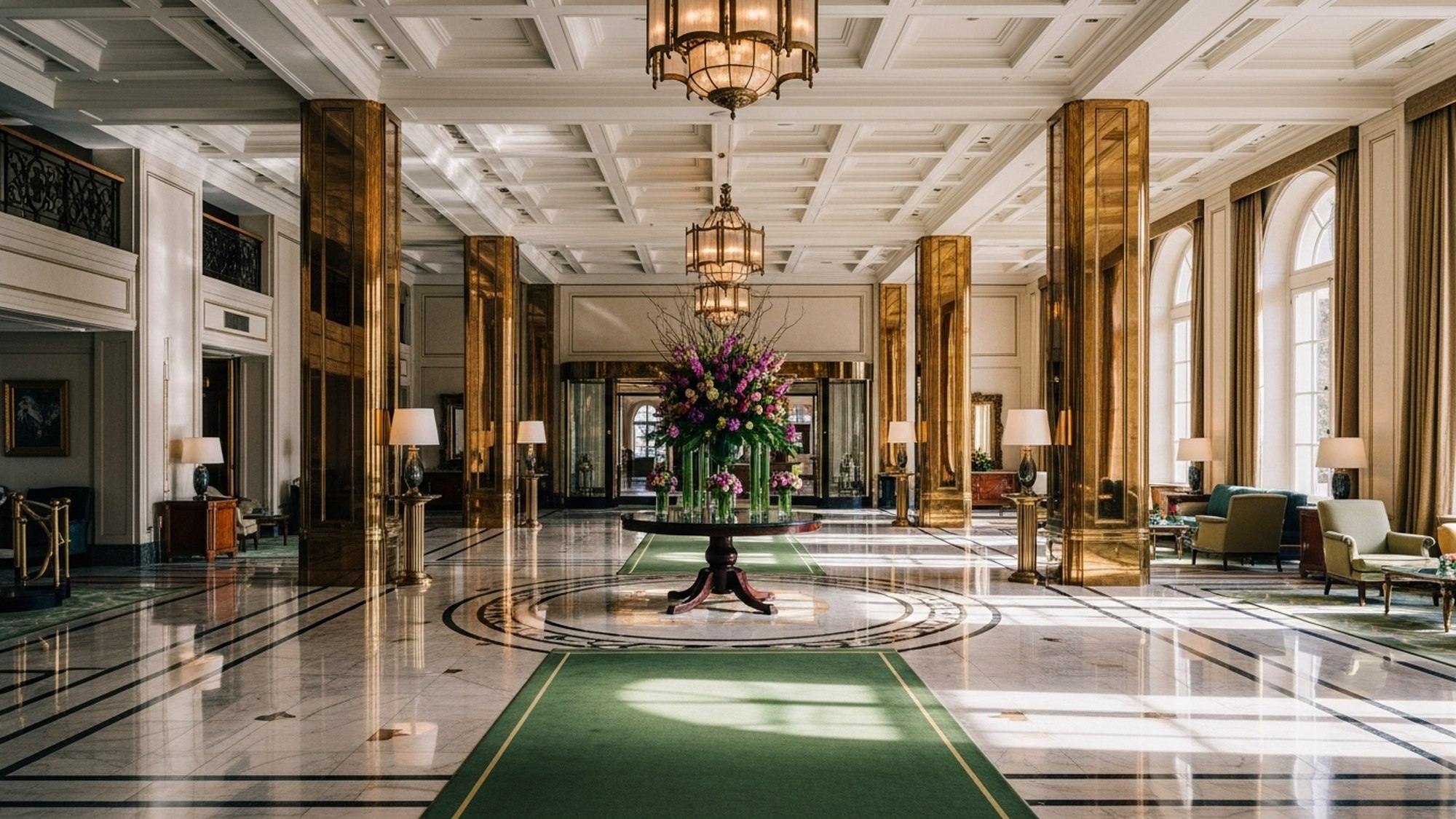
This is where the grand deception begins. The allure of the short-term rental industry often comes with a heavy dose of aesthetic aspiration. Hosts scroll through popular listings, admiring the "curated" spaces, the designer touches, the Instagram-ready vignettes. They see properties that command top dollar and assume their own must match or exceed this visual standard. The mental shift from furnishing a personal home to equipping a commercial hospitality asset is never fully made. Instead, the process becomes an extension of personal taste, albeit with a commercial veneer.
The initial budget, if one even exists beyond a rough mental tally, typically focuses on the obvious: beds, a sofa, a dining table. But then the scope begins to creep. The kitchen needs more than basic plates; it needs a matching set, maybe a blender, a coffee maker, a toaster. The bathroom isn't just a toilet and shower; it needs plush towels, a shower curtain, soap dispensers. The living room isn't complete without throw pillows, a coffee table, and some wall art. Each item, individually minor, adds to a growing total that quietly dwarfs the initial projections.
This phase is driven by a powerful psychological force: the desire to impress. New hosts feel immense pressure to stand out in increasingly competitive markets. They fear negative reviews more than they fear an empty bank account. This fear pushes them towards perceived "upgrades" that often have little to no actual return on investment, but feel necessary to meet an imagined, impossibly high standard. They forget that the vast majority of guests prioritize cleanliness, comfort, and functionality above all else. The initial setup cost is not just a financial transaction; it's an emotional one, often laden with the host's own dreams of success and fear of failure.
The Ghost in the Budget: Wish List Creep
The journey from a functional list of necessities to an extravagant wish list is a well-worn path for new STR hosts. It often starts with a single, seemingly innocuous thought: "Wouldn't it be nice if...?" This thought, amplified by online forums, social media, and the endless scroll of aspirational listings, quickly transforms into a "must-have." What was once a basic coffee maker morphs into a high-end espresso machine. A simple flat-screen TV becomes a 70-inch smart TV with every streaming service imaginable. A functional showerhead becomes a rain shower with multiple jets.
The justification is always the same: "guest experience." Hosts convince themselves that these splurges are not just about making the property look good, but about genuinely enhancing a guest's stay, thereby guaranteeing five-star reviews and premium pricing. The reality is far more nuanced. While a truly terrible guest experience (uncomfortable bed, broken amenities, dirty space) will absolutely tank a listing, an overly luxurious one rarely moves the needle enough to justify the exponential increase in cost.
Consider the "smart home" obsession. Many new hosts load up their properties with smart locks, smart thermostats, smart lighting, smart speakers, and even smart mirrors. The intention is admirable: convenience and a futuristic appeal. The reality? Guests often struggle with unfamiliar tech. They can't figure out the thermostat, accidentally lock themselves out, or get frustrated by voice commands. The result is not a five-star review for innovation, but a three-star review for confusion and frustration. Moreover, these complex systems often require ongoing maintenance, subscriptions, and troubleshooting, adding layers of cost and operational headaches that far outweigh any marginal benefit.
Kitchens are another common battleground for budget creep. A host might invest in a full suite of high-end appliances, fancy cookware, and an array of niche gadgets: a waffle maker, an air fryer, a sous vide machine. How often do guests actually use these specialized items? Rarely. Most travelers just want basic, clean, functional cooking tools to prepare simple meals. The expensive stand mixer sits unused, gathering dust, while the essential frying pan gets heavy rotation. The cost of acquiring, storing, and maintaining these rarely-used items is pure dead money.
Then there's the decor. The pressure to create a "brand" or a "theme" can lead to exorbitant spending on designer furniture, expensive artwork, and elaborate staging. While aesthetics play a role in initial booking appeal – a good photo can certainly capture attention – they contribute far less to guest satisfaction and review scores than foundational elements like comfort and cleanliness. A guest might admire a piece of art for a moment, but they will remember a saggy mattress for a week. The ghost in the budget is the illusion that superficial beauty trumps fundamental utility.
Where Money Actually Buys Revenue (And Where It Doesn't)
The critical distinction for any host is understanding where capital expenditure genuinely translates into higher ADR, better occupancy, and stellar reviews, versus where it simply vanishes into the abyss of "nice-to-have" without measurable return. This is the core of smart STR investing.
High-ROI items are almost universally about comfort, reliability, and fundamental needs. Top of the list: the bed. A truly comfortable mattress, high-quality pillows, and soft, clean linens are non-negotiable. Guests spend a third of their stay in bed. A good night's sleep is paramount. Investing in a premium mattress, even if it feels like a splurge upfront, pays dividends in review sentiment and repeat bookings. Conversely, skimping on the bed is a guaranteed path to negative feedback. This extends to blackout curtains and effective soundproofing if the location warrants it. These are not luxuries; they are foundational to a restful stay.
Next, consider connectivity and climate control. Reliable, high-speed internet is no longer a perk; it's an absolute necessity. Whether guests are working remotely, streaming entertainment, or simply staying in touch, slow or intermittent Wi-Fi is a major pain point. Similarly, a well-functioning HVAC system that can quickly and efficiently cool or heat the space to a guest's preference is crucial. These are often overlooked in the excitement of decor, but they directly impact comfort and satisfaction. Guests expect these to just *work* without issue, and when they don't, it's a quick path to a low rating.
Cleanliness, while not a furnishing item itself, is heavily influenced by the initial setup. Investing in high-quality, durable cleaning supplies, a powerful vacuum, and even a commercial-grade washer and dryer for linens, can significantly improve efficiency and consistency for cleaning teams. This reduces turnover time, extends the life of textiles, and ensures every guest arrives to a spotless space. The cleaning fee is often a point of contention for guests; a host's investment in making that fee deliver true value is critical.
Where does money often get wasted? As mentioned, the pursuit of overly complex smart home tech is a common pitfall. Similarly, high-end kitchen appliances that require specialized knowledge or are rarely used by the average traveler are often pure waste. Expensive, delicate decor items are another trap. Guests, by their nature, are not always careful. Items will break, get stained, or disappear. Durable, easily replaceable furniture and decor are far more sensible than fragile, costly pieces that cause anxiety and require expensive replacement.
The core principle is simple: prioritize utility and comfort over superficial aesthetics. Guests are paying for a comfortable, hassle-free stay, not a design magazine spread. A sturdy, clean sofa will always outperform a delicate, expensive one that guests are afraid to sit on. A well-stocked kitchen with basic, functional tools will be more appreciated than a chef's dream kitchen missing a can opener.
The true cost of setting up an STR is rarely the sticker price of the furniture; it's the invisible drag on cash flow that comes from overspending on the wrong things.
The Myth of the Single Spend: Ongoing Capital Expenditures
One of the most dangerous misconceptions for new STR hosts is that furnishing is a one-time expense, a hurdle to clear before the passive income stream begins. This belief is not just naive; it's a guaranteed path to financial distress. In reality, furnishing an STR is an ongoing capital expenditure. It's a continuous cycle of wear, tear, replacement, and occasional upgrade that must be factored into every financial projection.
Unlike a personal home where furniture might last for a decade or more, items in a short-term rental experience accelerated depreciation. Imagine a sofa or a mattress in a property with 70-80% occupancy. That means it's being used by dozens, if not hundreds, of different individuals each year. Kids jump on beds, wine spills on carpets, luggage scrapes walls, and dishes chip. What might last five years in a private home might only survive two or three in an STR, if that.
Linens and towels are a prime example. They are washed constantly, exposed to various stains, and inevitably wear out or get ruined. A host cannot simply buy one set of sheets and expect them to last indefinitely. Multiple sets are needed for quick turnovers, and these sets will need regular replacement. The same goes for dishes, glassware, and cutlery. They break, they disappear, they get scratched. These are not one-off purchases; they are consumables with a faster-than-expected lifecycle.
Beyond routine wear and tear, there are unexpected damages. A guest might accidentally break a lamp, damage a chair, or stain a rug beyond repair. While security deposits or host protection plans exist, they are not always a seamless or complete solution. Sometimes, it's simply more expedient to replace an item out of pocket than to navigate a lengthy claims process. This requires readily available funds.
Furthermore, to remain competitive, some upgrades will eventually become necessary. A smart TV from five years ago might no longer support the latest apps, or a Wi-Fi router might become outdated. Markets evolve, and guest expectations shift. What was considered a premium amenity a few years ago might now be standard. Ignoring these evolving needs means risking lower ADR and occupancy over time, but addressing them requires fresh capital.
The myth of the single spend blinds hosts to the true cost of ownership. It encourages them to deplete their cash reserves upfront, leaving nothing for the inevitable replacements and repairs that will hit just as the initial excitement wears off. A professional hotel chain accounts for these ongoing capital expenditures meticulously. An STR host, operating a mini-hotel, must do the same, setting aside a portion of revenue specifically for future CapEx, not just initial setup.
The Invisible Tax on First-Year Cash Flow
The consequences of an inflated furnishing budget are most acutely felt in the first 12 to 18 months of operation. This is the period when many new hosts, already stretched thin, discover the true meaning of "cash flow negative." They might be generating impressive gross revenue, with bookings rolling in, but the net profit is non-existent, or worse, deeply in the red. The culprit is often the massive upfront spend on setup costs, which acts as an invisible tax on every dollar earned.
Consider the typical financial flow. Revenue comes in from bookings. Out of this, platforms take their commissions (which can range from 3% to 15% or more depending on the platform and booking type). Then come the cleaning fees, which often go directly to a third-party cleaner, or cover the cost of supplies and labor for self-cleaners. After that, the fixed costs hit: mortgage or rent, property taxes, insurance, utilities, HOA fees, permit and license fees (which can be substantial in some regulated markets). Variable costs like maintenance, minor repairs, and restocking consumables also chip away at the remainder.
What's left is what a host might consider their "profit." But if they've spent $20,000, $30,000, or even $50,000+ on furnishing and setup, that "profit" is immediately clawed back to cover the initial investment. This isn't just about accounting; it's about real money that isn't available for personal use, for reinvestment, or critically, for a reserve fund. The break-even point for many STRs is pushed far into the future, often beyond the first year, solely because of this initial overspend.
Many new hosts operate under the dangerous assumption that high occupancy and ADR alone guarantee profitability. They fail to account for the amortization of their setup costs. If a host spends $30,000 on furnishings and expects to recoup that over three years, that's $10,000 per year, or roughly $833 per month, that needs to be earned *after* all other operating expenses are paid. If the property's net operating income before this amortization is only $1,000 a month, the actual take-home profit is a paltry $167. And that's before accounting for the inevitable future capital expenditures.
This "invisible tax" creates immense financial pressure. Hosts might feel compelled to lower their ADR to chase occupancy, further eroding their already thin margins. They might skimp on essential maintenance or cleaning supplies, leading to a decline in guest experience and reviews. They might delay crucial repairs, allowing small problems to fester into expensive disasters. The cycle is vicious: overspend initially, struggle to cover costs, cut corners, and ultimately, watch the business falter.
The Silent Killer: No Reserve Fund
Perhaps the most devastating consequence of the furnishing budget trap is the almost universal failure among new hosts to establish a robust reserve fund. This isn't just a best practice; it's a non-negotiable requirement for any sustainable business, and its absence is a silent killer of promising STR ventures.
Why do hosts neglect this? Often, it's a combination of factors: over-optimism about consistent bookings, an underestimation of unexpected costs, and simply having exhausted all available capital on the initial setup. After spending tens of thousands on furniture, decor, and initial renovations, the bank account is often bare. The temptation to take early profits, or simply to break even, overwhelms the discipline required to squirrel away funds for a rainy day.
A reserve fund is not for planned expenses. Those should be budgeted. A reserve fund is for the unforeseen: the air conditioning unit that dies in the middle of summer, a burst pipe that floods the bathroom, a major appliance (refrigerator, oven) that gives up the ghost, or an unexpected roof leak. These are not minor repairs; they are multi-thousand-dollar emergencies that require immediate attention to avoid further damage and prevent guest cancellations.
Beyond property emergencies, a reserve fund is also crucial for market fluctuations. Occupancy rates can drop unexpectedly due to new local regulations, increased competition, economic downturns, or even just a particularly slow season. If a host is relying on every booking to cover their monthly operating expenses, a sudden dip in revenue can quickly lead to default on mortgages, overdue utility bills, or an inability to pay cleaning staff.
Industry experts often recommend maintaining a reserve equivalent to 10-15% of gross revenue, or at least 3-6 months of operating expenses. For a property with $3,000 in monthly expenses, that means having $9,000 to $18,000 sitting in a separate account, untouched. For many new hosts, this figure sounds impossible, especially after a hefty initial spend. But without it, they are essentially gambling with their entire investment.
When an emergency strikes, a host without a reserve fund faces an impossible choice: go into debt, use high-interest credit cards, or let the problem fester, which inevitably leads to more severe damage, negative reviews, and a ruined reputation. The lack of a financial buffer turns every minor setback into a potential business-ending crisis. It’s not a matter of if an emergency will happen, but when. And the short-term rental business, with its constant flow of different people using the property, is particularly prone to these unforeseen events.
The Host Who Survives (And The Host Who Doesn't)
The STR industry is littered with cautionary tales, but also with inspiring success stories. The fundamental difference between the host who survives and thrives, and the host who ultimately folds, often comes down to their approach to initial investment and financial discipline. It's a tale of two philosophies.
The survivor-host understands that an STR is a business first and foremost. They approach the furnishing process with a cold, analytical eye, prioritizing functionality, durability, and a clear return on investment. They create a detailed budget, and then they add a significant contingency fund – often 20-30% – because they know unexpected costs are inevitable. Their initial setup might not be the most glamorous on Instagram, but it is comfortable, clean, and supremely functional. They focus on high-quality mattresses, reliable internet, robust HVAC, and essential kitchen items. They choose durable, easily replaceable furniture and linens over delicate, expensive pieces. They start lean, and only upgrade or add amenities once consistent cash flow is established.
Crucially, the survivor-host allocates a significant portion of their initial capital, or their very first earnings, to building a substantial reserve fund. They view this fund as the bedrock of their operation, not a luxury. When a washing machine breaks or a pipe leaks, they can address it immediately, without panic or financial strain. They track their expenses meticulously, understand their true net profit, and are prepared for seasonality and market shifts. They are patient, disciplined, and focused on long-term sustainability rather than immediate gratification or aspirational aesthetics.
On the other hand, the doomed-host is often driven by emotion and aspiration. They fall prey to the desire for the "perfect" listing, influenced by social media and the perceived need to compete with high-end properties. Their initial budget is often an afterthought, a loose collection of desired items rather than a strategic financial plan. They overspend on designer furniture, excessive decor, niche gadgets, and complex smart home systems that offer little real ROI. Every dollar goes into making the property look good, leaving nothing for the inevitable challenges ahead.
This overspending often depletes their capital entirely, leaving no buffer for emergencies. When the first major repair bill arrives, or a slow season hits, they are caught completely off guard. They might try to recoup costs by raising prices, which drives away guests, or by cutting corners on cleaning and maintenance, which leads to negative reviews and a downward spiral. The emotional attachment to their "dream property" makes it difficult to make rational business decisions. They often mistake gross revenue for profit and are genuinely shocked when their bank account remains stubbornly low despite a full booking calendar. The sunk cost fallacy kicks in, making it harder to cut losses or pivot, until eventually, the financial pressure becomes insurmountable, forcing them to sell or convert the property, often at a loss.
"Many new operators mistake initial excitement for long-term viability, pouring money into aesthetics rather than fundamental business resilience. That's a recipe for early burnout and financial ruin."
The bottom line for hosts
For any new host entering the short-term rental market, or for existing hosts looking to refine their strategy, the lesson from the furnishing budget trap is clear and unyielding: financial discipline and a focus on fundamentals are paramount. Your initial setup is not a creative project; it's a strategic business investment.
First, create a realistic, itemized budget for every single piece of furniture, decor, and amenity, no matter how small. Then, add a minimum of 20-30% to that total for unexpected costs and scope creep. Assume everything will cost more than you think. This contingency isn't for padding; it's for survival.
Second, prioritize. Invest heavily in the elements that genuinely impact guest comfort and satisfaction: premium mattresses, comfortable seating, reliable high-speed internet, efficient heating and cooling, and a thoroughly stocked, functional kitchen with basic, durable tools. Skimp on the decorative flourishes and niche gadgets. Start with a clean, comfortable, and highly functional space. You can always add more decorative elements later, once your cash flow is robust.
Third, and perhaps most critically, build your reserve fund *before* you launch. Aim to have at least 3-6 months of operating expenses (mortgage, utilities, insurance, cleaning, etc.) sitting in a separate, easily accessible account. Do not open your doors for guests until this fund is established. This is your financial lifeline, your insurance policy against the inevitable unforeseen events that will test your resolve. Without it, every bump in the road becomes a crisis.
Finally, understand that furnishing is not a one-time cost. Factor in ongoing capital expenditures for replacements and upgrades. Set aside a percentage of your monthly revenue specifically for this purpose. Treat your STR like the mini-hotel it is, with professional financial planning and a clear understanding of your true operational costs. By avoiding the allure of the immediate splurge and focusing on long-term financial health, you'll not only survive your first year; you'll build a sustainable, profitable business that truly delivers on the promise of short-term rental success.
About this piece
An original expert-analysis column by the STR NEWS desk. Figures are illustrative of how the market behaves; confirm specifics for your own market before you act.

Read the desk every morning.
The day's crackdowns and platform moves, the money, the design and the stays going viral, plus the desk's verdict, in one short email every morning.