
Turnover Day Is Where Amateurs Bleed Money — The Operational Gap That Crushes Profit
Many hosts chase every booking, but the rush to flip a property between guests costs more than it earns. We expose the hidden leaks that drain your STR income.
The revolving door of short-term rentals spins fast. Guests come, guests go, often in a blur of suitcase wheels and digital key codes. But for the host, that blur conceals a brutal truth: turnover day is a financial battleground. It is where the dreams of passive income crash head-on into the unforgiving realities of operational excellence. Miss a step, scrimp on a detail, or mismanage the clock, and the profit margin you chased so hard can vanish into thin air, replaced by a scathing review and a calendar block that costs real money.
This isn't just about clean sheets; it's about the entire ecosystem of your STR business, and for too many, it's the leaky faucet that drains their earnings. This is the hidden cost center, the dark matter of the balance sheet that rarely gets a line item but impacts every single one. The amateur host sees a vacant night as a lost opportunity. The seasoned operator understands that a properly managed transition between guests is the investment that secures the next reservation, prevents future headaches, and ultimately, maximizes the long-term yield of their property. It is the crucible where true hosting skill is forged, or where hopeful ventures simply burn out.
The Invisible Cost of the Rush
Every host chases occupancy. It is the siren song of the STR industry, promising higher RevPAR, more consistent income, and a fully booked calendar that looks great on social media. The ultimate expression of this pursuit is the same-day turnover: guest checks out at 10 AM, new guest checks in at 4 PM, and in between, a frantic six-hour scramble to reset the entire experience. On paper, it looks like pure profit. A night that would otherwise be empty now generates income. But the paper doesn't show the real ledger.
The rush to cram a full property reset into a shrinking window creates a cascade of hidden costs that often go unmeasured until it is too late. First, there is the obvious: increased wear and tear. When cleaners are pushed to move at breakneck speed, corners get cut. Surfaces might get a quick wipe instead of a deep scrub. Dust bunnies find new new homes under beds. This isn't laziness; it is the inevitable outcome of unrealistic time constraints. Over time, this accelerates the depreciation of your furnishings, your linens, and even your property's fixtures. A couch that might last five years with careful, unhurried cleaning might only make it three when constantly subjected to hurried vacuuming and stain treatments. The replacement cost adds up, chewing into those perceived same-day gains.
Beyond physical depreciation, there is the human cost. Cleaning crews, often paid per job, feel the pressure acutely. Their pay might be flat, but the demands on their time and effort escalate. This leads to burnout, high turnover among your cleaning staff, and a constant scramble to find reliable help – a scramble that costs time, training, and sometimes premium rates for last-minute services. A stable, well-compensated, and unrushed cleaning team is an asset; a constantly rotating cast of harried individuals is a liability. The professional, long-term host understands the value of a loyal team.
Then there is the guest experience itself, the ultimate arbiter of success in this business. A rushed turnover directly impacts the quality of the stay. Imagine a guest arriving to find a sticky countertop, a faint lingering odor, or a stray hair in the shower. These are not minor inconveniences; they are immediate red flags. They become the fodder for negative reviews – 3-star instead of 5-star – that tank your listing's ranking, reduce future bookings, and force you to lower your ADR to compete. Airbnb's algorithm, for instance, heavily favors properties with consistent high ratings. A single poor review, stemming from a rushed turnover, can have an outsized impact on your booking potential for months, if not longer. That lost booking income is far more substantial than the single night you gained by forcing a same-day turn. This is the silent killer, often overlooked until the calendar starts to look surprisingly sparse. The perceived gain of one extra night is often a phantom profit when weighed against the compounding damage of compromised quality.
The Same-Day Turn Trap: Chasing Occupancy, Forgetting Sanity
The allure of the same-day turn is simple: maximize occupancy. For a property that might sit vacant for a week between longer bookings, fitting in an extra night or two seems like a no-brainer. After all, a night not booked is revenue lost forever. This fundamental truth drives much of the pricing and availability strategy in the short-term rental market. Hosts meticulously adjust dynamic pricing algorithms, chase last-minute bookings, and agonize over every empty slot on the calendar. And for many, the same-day turnover is seen as the ultimate hack to squeeze every last drop of revenue out of their investment.
But the math is often misleading. While an additional booked night directly increases your gross revenue and therefore your occupancy rate, it simultaneously compresses the operational window required to deliver a quality product. Consider the typical check-out at 10 AM and check-in at 4 PM. That is a six-hour window. This window must accommodate:
- Travel time for your cleaning crew to arrive.
- Initial inspection for damage or unusual mess.
- Complete cleaning of bathrooms, kitchen, bedrooms, living areas. This includes sanitizing high-touch surfaces, vacuuming, mopping, dusting, and wiping.
- Linen management: stripping beds, washing, drying, folding, and remaking beds. Or, more commonly, swapping out used linens for fresh ones, which requires an inventory of multiple sets per bed.
- Restocking consumables: toilet paper, paper towels, soap, shampoo, coffee, welcome snacks.
- Trash removal and recycling.
- Exterior checks: porch, patio, hot tub (if applicable).
- Final inspection by a supervisor or the host themselves.
- Minor maintenance: changing a lightbulb, tightening a loose towel rack, reporting a larger issue.
- Pre-arrival checks: ensuring smart locks are programmed for the new guest, thermostats are set appropriately, welcome notes are in place.
Each of these steps, if performed diligently, takes time. For an average 2-bedroom, 2-bathroom property, a thorough cleaning might easily take 3-4 hours for a single person, or 2-3 hours for a team of two. Add travel time, inspection, restocking, and the inevitable unforeseen issue – a broken item, a guest who checked out late, an unexpected plumbing problem – and that six-hour window evaporates. The pressure becomes immense.
This pressure often forces a compromise on quality. Instead of a comprehensive clean, it becomes a superficial one. Instead of careful inspection, it becomes a quick glance. The result is often what the industry calls "surface clean syndrome" – everything looks okay at first glance, but deeper scrutiny reveals neglect. This directly impacts guest satisfaction, leading to those critical 4-star reviews instead of 5-star, which eventually lowers your search ranking on platforms like Airbnb and Vrbo. A lower ranking means fewer views, fewer bookings, and ultimately, a lower Average Daily Rate (ADR) as you are forced to compete on price rather than quality. The initial gain in occupancy is then offset by a reduction in ADR and a potential decrease in future booking volume.
Furthermore, the same-day turn makes it exceedingly difficult to perform preventative maintenance. When is the HVAC filter changed? When is the dryer vent cleaned? When are the smoke detector batteries checked? When is the grout scrubbed and sealed? These are not "emergency" tasks, but they are crucial for the longevity of your property and the safety of your guests. Without a buffer day, these tasks either get skipped entirely or are crammed into the already-strained turnover window, further compromising the quality of the clean and increasing the likelihood of something being missed. A clogged dryer vent is a fire hazard. A dirty HVAC filter reduces efficiency and air quality. These are not minor details; they are fundamental to operating a safe, comfortable, and sustainable STR.
The perceived gain of one extra night is often a phantom profit when weighed against the compounding damage of compromised quality and deferred maintenance.
Checklists Aren't Just for Pilots: They're for Profits
In high-stakes environments, from aviation to surgery, checklists are not a suggestion; they are a lifeline. They ensure critical steps are never missed, even under pressure. The short-term rental turnover is, make no mistake, a high-stakes environment. Your reputation, your income, and the safety of your guests all hang in the balance. Yet, countless hosts operate without a rigorous, documented, and enforced checklist system. This is not just amateurish; it is financially self-destructive.
A comprehensive turnover checklist is the backbone of a successful STR operation. It transforms a chaotic scramble into a systematic process. It removes ambiguity for your cleaning crew, ensures consistency for your guests, and provides a clear audit trail for you, the host. Think of it as your property's operating manual, updated and refined with every lesson learned.
What should a robust checklist include? It starts with the absolute essentials and expands to cover every detail a guest might notice.
- Safety First: Smoke detectors and carbon monoxide detectors checked (battery levels, expiration dates). Fire extinguisher location and charge verified. First-aid kit stocked. Emergency contact information prominently displayed. Exterior lighting operational.
- Cleanliness Protocol: Room-by-room breakdown:
- Kitchen: All surfaces wiped, microwave cleaned, oven checked, refrigerator emptied and wiped, dishwasher run (if necessary), sink scrubbed, trash emptied, floor swept/mopped, coffee maker clean, condiments checked.
- Bathrooms: Toilets scrubbed and sanitized, showers/tubs cleaned, sinks wiped, mirrors streak-free, floors cleaned, fresh towels provided, trash emptied, consumables (toilet paper, soap, shampoo) restocked.
- Bedrooms: Linens stripped, laundered, and remade (or fresh sets used). Beds made to hotel standard. Surfaces dusted, floors vacuumed/swept. Closets checked for forgotten items.
- Living Areas: Furniture dusted, surfaces wiped, floors vacuumed/mopped, throw blankets folded, remotes organized, any guest-used items (board games, books) tidied.
- Entry/Exit: Door hardware wiped, doormat cleaned, smart lock functionality checked.
- Inventory and Restock: Specific quantities of toilet paper, paper towels, soap, shampoo, coffee pods, trash bags. Detergent for in-unit laundry. Spare lightbulbs.
- Maintenance Check: Minor issues identified and reported (leaky faucet, loose door handle, burnt-out bulb). HVAC filter check reminder. Hot tub chemical balance (if applicable). Landscape tidy.
- Damage Assessment: A clear protocol for documenting and reporting any damage found, ideally with timestamped photos. This is crucial for insurance claims or security deposit deductions.
The checklist isn't just a list of tasks; it is a communication tool. It ensures that every member of your team, from the primary cleaner to a substitute, knows exactly what is expected. It also serves as a training document for new hires and a performance review tool for existing ones. When an issue arises, you can refer directly to the checklist: Was this item checked? Was the standard met? This shifts the conversation from blame to process improvement.
Moreover, a digital checklist system, often integrated with property management software (PMS) or dedicated task management apps, adds another layer of efficiency. Cleaners can check off tasks in real-time, upload photos, and report issues directly from their phone. This provides you, the host, with transparency and real-time updates, allowing you to catch potential problems before the next guest arrives. It eliminates the "he said, she said" of post-turnover issues and creates accountability. Without this structured approach, every turnover is a roll of the dice, and in this business, luck is a terrible strategy.
The Cleaning Crew: Your Unsung Profit Center (or Your Undoing)
Many hosts view the cleaning fee as a necessary evil, something to pass on to the guest or begrudgingly absorb a portion of themselves. This transactional mindset misses the fundamental truth: your cleaning crew is not merely a cost center; they are a direct driver of your property's profitability and reputation. They are the frontline guardians of your guest experience, and their performance directly correlates to your review scores, your occupancy, and ultimately, your bottom line. Treat them as a commodity, and your business will suffer commodity-level results.
Finding, vetting, training, and retaining a high-quality cleaning crew is one of the most critical investments a host can make. This is not a job for the cheapest bid. It is a specialized skill set requiring attention to detail, efficiency, reliability, and an understanding of the unique demands of STRs compared to traditional residential cleaning. They are not just cleaning; they are staging your property for a discerning guest, often under tight deadlines.
Vetting Your Crew:
- Experience in STRs: This is paramount. Cleaners familiar with hotel standards and the specific needs of vacation rentals (e.g., checking for forgotten items, restocking specific amenities, dealing with specific platform expectations) are invaluable.
- Reliability: Show up on time, every time. This is non-negotiable for same-day turns.
- Communication: A crew that communicates proactively about issues, delays, or needs is gold. They are your eyes and ears on the ground.
- Attention to Detail: Provide them with your detailed checklist. Observe their first few cleans. Are they meticulous? Do they notice the small things?
- Trustworthiness: These individuals will have access to your property and your guests' belongings. Background checks are not overkill.
- Insurance/Bonding: This protects you in case of accidents or damage caused by the crew. Never skip this.
Training is Ongoing, Not One-Time:
Even the best crew needs specific training for your property. Walk them through it. Show them where everything is stored, how the appliances work, your specific linen protocol, where the spare consumables are kept. Go over the checklist together, explaining the "why" behind each item. This fosters a sense of ownership and understanding. Regular check-ins and feedback sessions are crucial. Celebrate successes and address shortcomings constructively.
Compensation and Retention:
Undercutting cleaning fees is a race to the bottom. If you are paying your cleaners rock-bottom rates, you will attract rock-bottom talent, or good talent that quickly burns out and leaves. Consider paying above market rate if you find an exceptional team. Offer bonuses for perfect reviews related to cleanliness, or for identifying and resolving maintenance issues before they become problems. Provide them with quality supplies and equipment. A well-paid, respected, and stable cleaning crew is your greatest asset in maintaining property quality and achieving consistent 5-star reviews. They are the core of your operational success, not an ancillary expense.
Maintenance Creep: The Silent Killer of Calendar Availability
The short-term rental business, by its very nature, accelerates wear and tear on a property. Dozens, sometimes hundreds, of different individuals pass through your doors each year, each with their own habits and levels of care. A lightbulb burns out here, a faucet starts to drip there, a dryer vent accumulates lint, a grout line discolors. Individually, these are minor nuisances. Collectively, and left unaddressed, they become "maintenance creep" – a slow, insidious degradation of your property that quietly eats away at your revenue and guest satisfaction.
The same-day turnover model exacerbates maintenance creep. With no buffer days, there is no designated time for routine, non-emergency tasks. The focus becomes solely on getting the property guest-ready now. This means:
- Preventative maintenance is deferred: When was the last time the HVAC system was serviced? The water heater flushed? The exterior power-washed? These are vital for the longevity of your asset and the guest experience, but they require dedicated time when the property is vacant.
- Minor repairs become major problems: A loose towel bar is a quick fix. If ignored, it might pull out of the wall entirely, requiring drywall repair. A slow drain becomes a clogged drain. A small chip in the paint becomes a noticeable eyesore. Each escalation increases repair cost and time.
- Guest complaints rise: Guests are less forgiving of maintenance issues in a short-term rental than in their own homes. They expect a fully functional and well-maintained space. A broken appliance, a dripping faucet, or a non-working light directly impacts their stay and will show up in reviews.
The true cost of maintenance creep is not just the repair bill; it is the lost income from blocked calendar days. A dripping faucet might take an hour to fix, but scheduling a plumber often requires a 2-4 hour window. If you do not have a buffer day, this means blocking off a booked night, or inconveniencing a guest by having a maintenance person enter during their stay – both of which are revenue killers or review risks. Larger issues – a broken water heater, a burst pipe, an HVAC failure – can lead to multiple blocked days or even weeks, resulting in thousands of dollars in lost booking revenue. And if you have to cancel a guest's reservation, platforms like Airbnb penalize you, potentially blocking your calendar further and impacting your Superhost status.
Proactive maintenance is not an expense; it is an insurance policy. It means allocating dedicated time, ideally buffer days between bookings, for a thorough inspection and minor repairs. It means having a trusted handyman or property manager who can respond quickly to issues. It means regularly reviewing your cleaning crew's reports for emerging problems.
- Quarterly deep dives: Schedule one or two full days every quarter where the property is blocked off specifically for preventative maintenance. Change filters, check appliances, touch up paint, inspect for pest issues, test all smart devices.
- Scheduled appliance servicing: Don't wait for the refrigerator to break. Have it serviced annually.
- Exterior care: Landscaping, gutter cleaning, power washing – these maintain curb appeal and prevent larger structural issues.
Ignoring these issues to cram in an extra booking is short-sighted. It trades immediate, marginal gain for long-term, significant loss. A property that is consistently well-maintained commands higher ADRs, receives better reviews, and experiences fewer disruptive emergencies. The hosts who understand this integrate maintenance planning directly into their operational strategy, treating it with the same priority as cleaning and guest communication. They see the occasional vacant day not as lost income, but as an essential investment in the health and profitability of their asset.
Technology as the Referee: Scheduling, Smart Locks, and Sensors
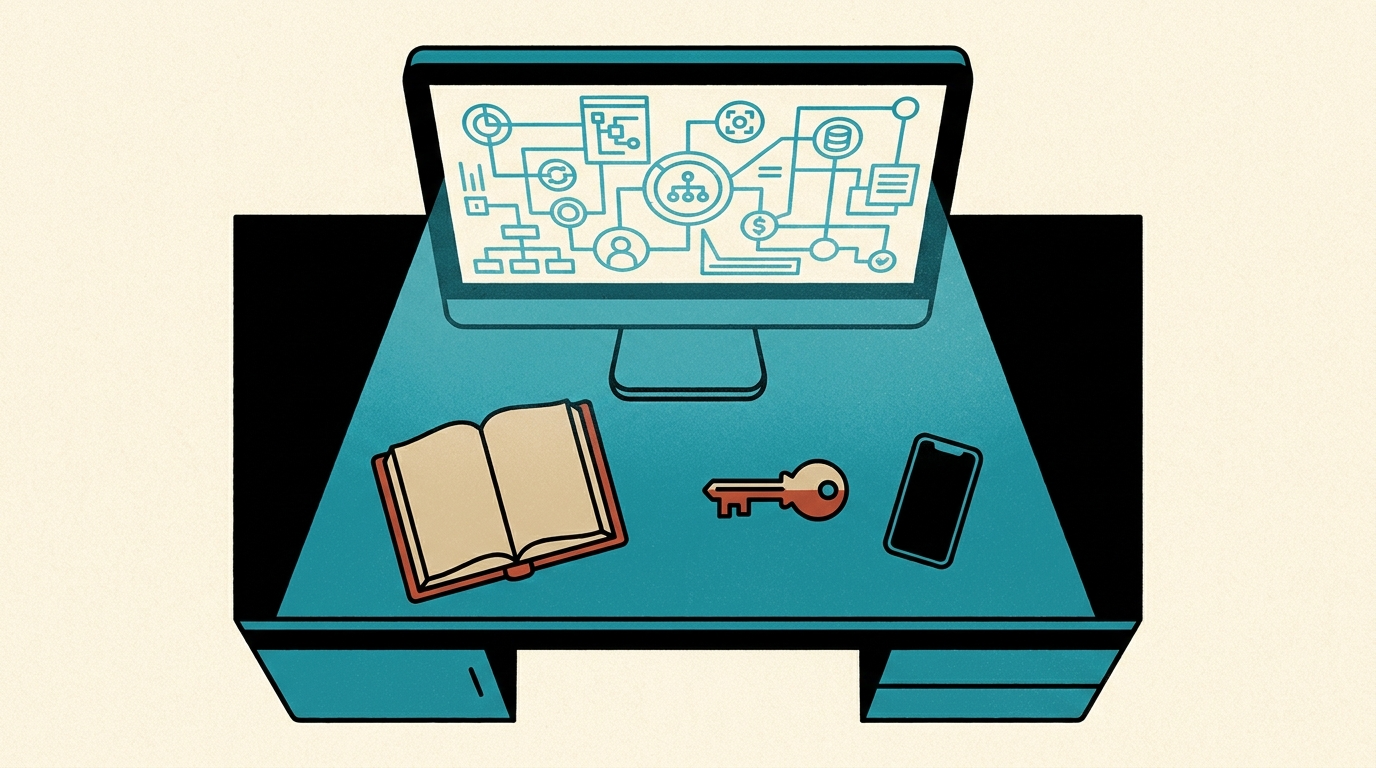
In the fast-paced world of short-term rentals, technology isn't just a convenience; it is the critical infrastructure that allows a tight operation to run smoothly, especially on turnover day. For hosts juggling multiple properties or managing from a distance, the right tech stack acts as the referee, calling plays, tracking progress, and ensuring accountability. Without these tools, even the most dedicated host is operating with one hand tied behind their back, constantly reactive rather than proactive.
Property Management Systems (PMS) and Scheduling Software:
At the heart of efficient turnovers is a robust PMS that integrates your booking calendar with your cleaning and maintenance schedules. Systems like Guesty, Hostaway, or Breezeway are designed precisely for this. They automatically generate tasks for your cleaning crew based on check-out dates, assign them to specific team members, and track their completion.
- Automated Task Creation: No more manual emailing or texting your cleaners for every booking. The system does it.
- Real-time Updates: Cleaners can mark tasks complete, report issues with photos, and communicate directly within the app, giving you instant visibility into turnover progress.
- Calendar Synchronization: Prevents double bookings and ensures your cleaning schedule aligns perfectly with guest arrivals and departures, minimizing confusion and missed turns.
- Reporting: Track cleaning times, issue frequency, and cleaner performance over time. This data is invaluable for optimizing your operations and identifying bottlenecks.
Smart Locks and Keyless Entry:
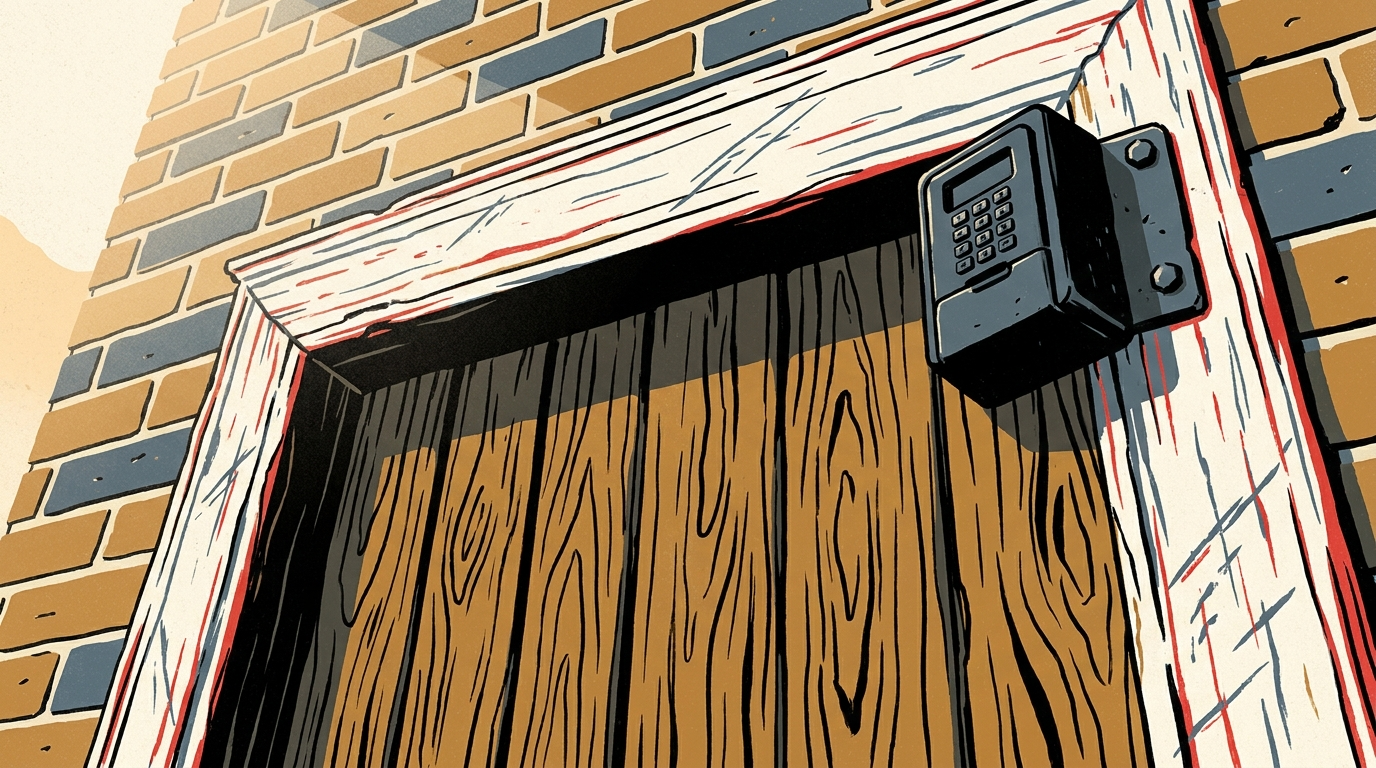
This is non-negotiable for efficient turnovers. Physical keys introduce a host of logistical nightmares: lost keys, late key handovers, security concerns after a guest checks out. Smart locks eliminate all of it.
- Automated Access Codes: Codes can be generated automatically for each guest, active only for their booking dates, and revoked upon check-out. This enhances security and reduces the burden on both guests and cleaners for key management.
- Remote Access: You can remotely grant temporary access to cleaners or maintenance staff, even if you are thousands of miles away.
- Activity Logs: Most smart locks provide a log of who entered and exited, and when. This is a powerful accountability tool, allowing you to verify cleaner arrival/departure times and investigate any discrepancies.
- Guest Convenience: Guests love the ease of keyless entry, contributing to higher satisfaction scores.
Noise and Occupancy Sensors:
While not directly part of the cleaning process, these sensors (like NoiseAware or Minut) play a crucial role in preventing issues that can complicate turnovers. They monitor decibel levels and approximate occupancy without invading guest privacy.
- Preventing Parties: High noise levels or excessive occupancy trigger alerts, allowing you to intervene before a party gets out of hand and leaves your property trashed, requiring an extensive, unscheduled deep clean or repair.
- Protecting Your Asset: Minimizing unauthorized large gatherings reduces the likelihood of damage and excessive mess, making standard turnovers much smoother and preventing unexpected expenses.
Integrating these technologies allows you to run a more hands-off, yet highly controlled, operation. It reduces the reliance on manual processes prone to human error, improves communication, enhances security, and provides invaluable data. For the host serious about scaling or simply optimizing a single property, these tools are not optional; they are fundamental to earning consistent profit in the modern STR landscape. They free up your time to focus on strategic decisions rather than tactical firefighting on every turnover day.
The Guest Experience: Why a Smooth Turnover is a 5-Star Review Machine
In the hyper-competitive world of short-term rentals, reviews are currency. A consistent string of 5-star ratings is the golden ticket to higher visibility, better occupancy, and the ability to command premium pricing. Conversely, a handful of 3-star reviews can torpedo your listing's performance and send it spiraling down the platform algorithms, making it nearly invisible to potential guests. And nowhere is the direct link between operational excellence and guest satisfaction more evident than in the quality of your turnover process.
Guests arrive with expectations, often fueled by aspirational photos and glowing reviews. Their very first impression upon opening your door sets the tone for their entire stay.
- Pristine Cleanliness: This is the absolute baseline. Any perceived lack of cleanliness – a dusty surface, a stray hair, a sticky counter – is an immediate deal-breaker for a 5-star review. It signals a lack of care and attention. A smooth, unhurried turnover ensures your cleaning team has the time to make the property truly spotless, not just superficially presentable. This is the foundation upon which all other positive experiences are built.
- Flawless Functionality: Imagine arriving after a long journey, eager to relax, only to find a lightbulb out, the WiFi not working, or a broken showerhead. These are direct results of inadequate pre-check-in inspection, often a casualty of a rushed turnover. A proper turnover process includes a full functionality check, ensuring every appliance, light, and amenity is in perfect working order. Guests expect everything to function as advertised.
- Thoughtful Restocking: Small details matter. Is there enough toilet paper? Are the coffee pods stocked? Is the hand soap full? Running out of essentials within the first day is a minor annoyance that detracts from the overall experience. A systematic restocking process, part of a thorough turnover, prevents these small frustrations from escalating into negative review comments.
- Seamless Entry: The check-in experience is the literal first interaction with your property. Smart locks and clear, pre-arrival instructions ensure guests can access the property easily and without confusion. This is often an automated part of the turnover, ensuring codes are active and instructions are accurate. Any friction here can leave a sour taste.
A guest who walks into a spotlessly clean, fully functional, and well-stocked property experiences an immediate sense of relief and welcome. This positive first impression cascades throughout their stay, making them more forgiving of minor, unforeseen issues and significantly more likely to leave a 5-star review. They will highlight the "cleanliness," the "attention to detail," and the "smooth check-in" – all direct consequences of a well-executed turnover.
Conversely, a sloppy turnover means guests start their stay on a negative note. They might feel they are paying a cleaning fee for a property that wasn't adequately cleaned. This breeds resentment and hyper-vigilance, making them more likely to spot and report every minor flaw. Even if you rectify an issue quickly, the initial impression is often indelible, and it will be reflected in their review.
Ultimately, a smooth turnover isn't just about operations; it is about protecting and enhancing your brand. It is the visible manifestation of your commitment to quality and guest satisfaction. In an industry where trust and reputation are everything, the professionalism of your turnover process is your most powerful marketing tool. It generates repeat guests, organic referrals, and the invaluable social proof that drives consistent bookings and allows you to command higher rates. Overlook this at your peril; it is where the serious money is made.
The bottom line for hosts
Forget the fantasy of endless back-to-back bookings with zero downtime. The reality of professional short-term rental management hinges on embracing the operational complexity of turnover day, not trying to wish it away. The amateur host views an empty calendar night as a revenue loss. The expert host understands it can be a strategic investment in property longevity, guest satisfaction, and ultimately, sustainable profit.
Stop chasing every single available night if it means compromising quality. Seriously evaluate your same-day turn strategy. For most properties, especially those that are not hyper-standardized hotel-style units, a buffer day is not a luxury; it is a necessity. This buffer allows for:
- Thorough Cleaning: Giving your crew adequate time to deliver a pristine experience.
- Detailed Inspection: Catching damage or missing items before the next guest arrives.
- Preventative Maintenance: Addressing minor issues before they become costly emergencies and avoiding calendar blocks.
- Team Morale: Reducing burnout for your invaluable cleaning and maintenance staff.
Invest in your cleaning crew. Pay them fairly, train them thoroughly, and empower them with a comprehensive checklist and clear communication channels. They are your most important asset for delivering a consistent, high-quality product. Integrate technology – smart locks, PMS with scheduling, and even noise sensors – to streamline processes, enhance security, and provide critical oversight.
The cost of a truly excellent turnover operation might seem high on paper, but the alternative is far more expensive. It means sacrificing your ADR due to lower reviews, losing bookings to better-rated competitors, incurring higher maintenance costs from deferred issues, and constantly battling a revolving door of unreliable staff. These are not abstract risks; they are concrete threats to your profitability.
Your turnover process is the heartbeat of your STR business. Make it strong, make it systematic, and make it a priority. This is where you distinguish yourself from the hobbyists, build a resilient business, and ensure your property remains a top performer for years to come. The money isn't just in the bookings; it's in the seamless, professional transition between them. Do this right, and the reviews, the repeat guests, and the profits will follow. Fail here, and your investment will slowly, surely, unravel.
About this piece
An original expert-analysis column by the STR NEWS desk. Figures are illustrative of how the market behaves; confirm specifics for your own market before you act.



Read the desk every morning.
The day's crackdowns and platform moves, the money, the design and the stays going viral, plus the desk's verdict, in one short email every morning.