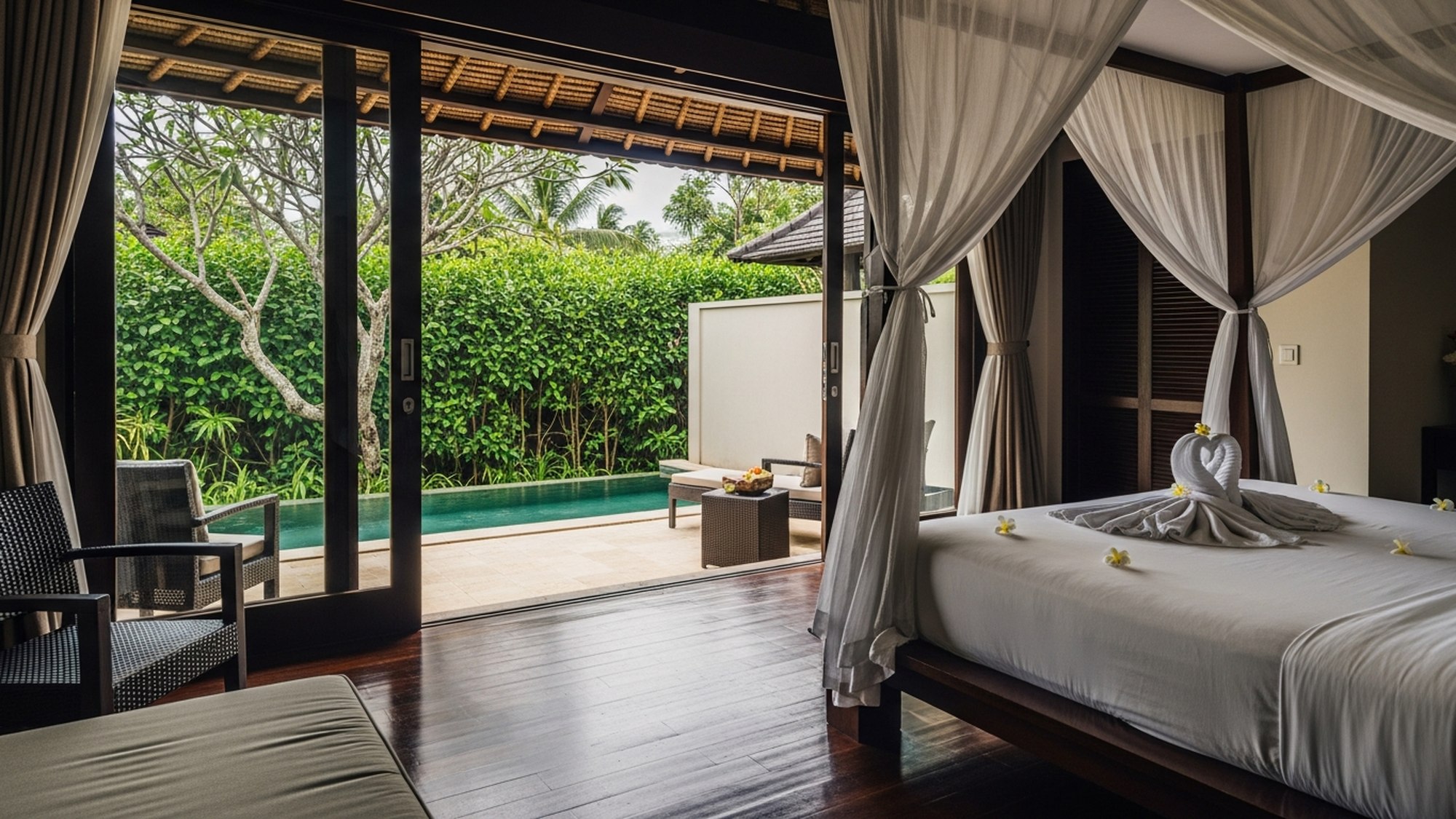
AMENITIES ARMS RACE: THE TRUTH ABOUT WHAT ACTUALLY PAYS OFF
Hot tubs, lightning-fast Wi-Fi, dedicated workspaces: every host chases the edge. We cut through the noise to expose which extras deliver real ADR lift and which are just expensive hobbies.
Forget the glossy Instagram feeds and the aspirational marketing fluff. The short-term rental business is a bare-knuckle brawl for guest dollars, and every single dollar you sink into your property has to fight its way back to your bank account. Hosts are locked in an amenity arms race, pouring capital into features they hope will magically elevate their listing above the competition. But hope isn't a strategy, and a sparkling new hot tub or a chef's kitchen doesn't guarantee a single extra dime in profit. The dirty secret? Most hosts are bleeding cash on upgrades that guests barely notice, or worse, actively abuse.
This isn't about shaming anyone for dreaming big. It's about facing the brutal financial realities of this industry. We're here to talk about the amenities that genuinely move the needle on your Average Daily Rate (ADR) and occupancy, the ones that translate into a higher RevPAR and fatter margins. We're also here to call out the money pits, the liability nightmares, and the operational headaches that quietly drain your earnings, one chemical top-up, one broken remote, one unexpected permit fee at a time. This isn't a popularity contest; it's a profit contest.
We hear the whispers in the host forums, the frustrated posts about rising costs and stagnant booking numbers. The industry has matured, and guest expectations have soared. What was once a 'nice-to-have' is now 'table stakes,' and what some hail as 'luxury' might just be a 'loss leader' waiting to happen. It's time to yank back the curtain and expose the cold, hard math behind amenity investment. This is the STR NEWS analysis you can take to the bank, or at least, use to avoid emptying it on a pointless upgrade.
The Amenity Arms Race: Why We Oversell and Underperform
Every host starts with good intentions. They scour top-performing listings, scroll through Pinterest boards, and listen to the gurus who promise that just one more upgrade will unlock 'premium' pricing. This creates a vicious cycle, an amenity arms race where everyone feels compelled to add more, do more, spend more, simply to keep pace. The problem is that most of this spending isn't strategic; it's reactive. It's driven by FOMO – the Fear Of Missing Out – and a fundamental misunderstanding of guest psychology and market economics.
The truth is, guests don't book properties for every single amenity listed. They book for core needs and a few key differentiators. The vast majority of features are simply expected. Cleanliness, safety, comfort – these are non-negotiable foundations. Fail on any of these, and no amount of fancy coffee makers or smart home tech will save your review score or your future bookings. The amenities that truly influence a booking decision are often specific to the guest's trip purpose and location, and they must be delivered flawlessly to justify any premium.
Consider the typical guest journey. They search by location, dates, and number of people. Then they filter. Common filters include 'entire place,' 'pets allowed,' 'pool,' 'hot tub,' 'Wi-Fi,' 'washer/dryer.' Notice what's missing? 'Designer throw pillows,' 'artisan bath bombs,' 'record player with curated vinyl collection.' These might get a fleeting glance, but they rarely drive the initial booking. They are 'delighters' at best, often after the primary decision has been made. And the cost to acquire and maintain these 'delighters' can be significant, eating into the very margins they were supposed to enhance.
Many hosts also fall prey to the sunk cost fallacy. They've invested heavily in an amenity, and rather than admit it wasn't a good financial decision, they double down. They spend more on marketing it, more on maintaining it, hoping to eventually justify the initial outlay. But smart money knows when to cut its losses or pivot. Understanding the genuine demand for an amenity in your specific market, for your specific guest demographic, is paramount. Generic advice from a national webinar often fails when applied to a local market with unique characteristics and guest expectations.
The Hot Tub: A Draining Investment Or A Deep Soak In Profit?
Few amenities spark more debate, or more financial casualties, than the hot tub. The allure is undeniable: images of guests relaxing under the stars, premium pricing, year-round bookings. But the reality is often a logistical and financial quagmire. A hot tub is not a 'set it and forget it' feature; it's a demanding, high-maintenance beast that can chew through your profits faster than you can say 'chlorine shock.'
Let's talk about the hard numbers. The initial investment for a quality hot tub can range from a few thousand dollars for a basic model to well over ten thousand for a larger, feature-rich unit. Installation, including electrical work, concrete pads, and potential decking modifications, can add several more thousands. This isn't a small line item. But the capital expenditure is just the beginning.
Ongoing costs are where the real pain sets in. Electricity consumption for heating and jets can add hundreds of dollars to your monthly utility bill, especially in colder climates. Water chemistry requires constant monitoring and adjustment; chemicals alone can be dozens of dollars each month. Filters need regular cleaning and replacement. Covers degrade in sunlight and weather, needing replacement every few years at a cost of hundreds. Then there's the professional maintenance: draining, cleaning, and refilling every few weeks or months, a service that can run a hundred dollars or more per visit, or hours of your valuable time.
And what about liability? A hot tub significantly increases your insurance risk. Slips, falls, burns, even drownings – these are very real concerns. Your standard homeowner's policy will likely not cover a short-term rental operation, and additional STR-specific liability coverage becomes essential, often at a higher premium. Many jurisdictions also have specific permitting requirements and safety regulations for hot tubs in rental properties, adding another layer of cost and compliance burden.
So, does it pay off? In certain niche markets, absolutely. A remote cabin in a snowy mountain region, a desert retreat, or a high-end luxury property where guests explicitly seek out a private spa experience can command a significant ADR premium – often 15-25% higher than comparable properties without a hot tub. This lift, combined with potentially higher occupancy in shoulder seasons, can genuinely make it a profitable investment. But for a city apartment, a suburban home, or a budget-focused listing, a hot tub is almost certainly a financial black hole. The guest profile simply doesn't prioritize it enough to pay the premium required to cover the exorbitant costs.
Furthermore, guest misuse is rampant. Guests may ignore chemical instructions, bring glass into the tub, or simply leave it a mess. This creates additional cleaning challenges, potential damage to the unit, and extended turnover times, which means lost revenue. Before you even consider a hot tub, perform a rigorous market analysis. Are other top-performing properties in your direct competitive set successfully monetizing them? What are the local regulations? Can you build the cost of maintenance and liability into your pricing without pricing yourself out of the market? If the answer isn't a resounding 'yes' to all three, step away from the hot tub brochure.
Fast Wi-Fi & The Modern Workspace: From Feature To Fundamental
If hot tubs are a high-stakes gamble, fast Wi-Fi and a functional workspace are the quiet, indispensable workhorses of the modern STR. These aren't 'delighters' anymore; they are foundational expectations. Guests, whether on vacation or business, need reliable connectivity and, increasingly, a comfortable spot to plug in and get things done. Failure here is not just a missed opportunity; it's a guaranteed negative review and a ruined stay.
Let's be blunt: slow, unreliable Wi-Fi is a dealbreaker. In an age where streaming entertainment, video calls, and remote work are commonplace, anything less than robust, high-speed internet is an operational failure. This isn't about getting a 5% ADR lift; it's about avoiding a 1-star review that drags down your overall rating and makes your listing invisible in search results. The cost of a good internet plan is a fixed operational expense, and it’s non-negotiable. Invest in the fastest, most reliable service available in your area. Period. Consider a mesh Wi-Fi system for larger properties to ensure consistent coverage throughout.
The dedicated workspace, however, is where genuine opportunity lies, particularly in urban and suburban markets, or for properties near corporate hubs. The remote work revolution has fundamentally shifted guest needs. Many travelers are 'bleisure' guests, blending business with leisure, or simply need to stay connected to their jobs while on the road. A proper workspace isn't just a kitchen counter with a laptop; it's a comfortable chair, a sturdy desk, good lighting, and readily available power outlets.
This amenity differentiates your listing by catering to a specific, growing segment of travelers who often book longer stays and may be less price-sensitive for the right setup. An ADR lift of 5-10% is achievable for properties that truly excel here, especially if you can target business travelers or digital nomads. The investment is relatively modest: a decent ergonomic chair might cost a few hundred dollars, a good desk another hundred or two, and a desk lamp. Compare this to the thousands for a hot tub, and the ROI looks significantly more appealing.
Crucially, a workspace also reduces wear and tear on other furniture. Guests won't be contorting themselves on dining chairs or sprawling across beds with their laptops, which saves your dining chairs and mattresses from premature damage. It's a win-win. Promote this feature prominently in your photos and listing description. Show the setup, highlight the Wi-Fi speed, and explain how it supports productivity. It's a simple, cost-effective way to signal professionalism and cater to a high-value guest demographic that is often overlooked in the race for 'luxury' features.
Most hosts are bleeding cash on upgrades that guests barely notice, or worse, actively abuse.
Outdoor Living: Fire Pits, Grills, And The Al Fresco Advantage
As guests increasingly seek experiences that go beyond four walls, outdoor living spaces have emerged as powerful differentiators, especially in destination markets or properties with ample land. Unlike a hot tub, which demands constant attention, a well-designed outdoor space, featuring elements like fire pits and grills, can offer significant value for a relatively manageable investment and maintenance burden.
A fire pit, whether a simple metal bowl or a more elaborate stone structure, taps into a primal desire for gathering and storytelling. It provides an immediate 'experience' that guests will remember and often photograph. The initial cost for a basic, portable fire pit is minimal – under a hundred dollars. For a built-in stone pit, it might run a few hundred to a couple of thousand, plus the cost of seating. The ongoing cost is primarily firewood, which can either be provided as a starter bundle (and charged for refills) or left to guests to source. The key here is clarity on safety rules and a supply of s'mores sticks.
A good quality grill, whether charcoal or propane, is another highly sought-after amenity, particularly for longer stays or family groups. Guests often want to save money on dining out or simply enjoy cooking in a relaxed setting. A reliable propane grill can cost a few hundred dollars, with ongoing costs for propane tanks (which can be swapped out easily) and cleaning supplies. Charcoal grills are even cheaper upfront but require more guest effort and ash disposal. Crucially, the grill must be clean and functional upon arrival. A dirty grill is worse than no grill at all.
The ADR lift from a well-appointed outdoor space with a fire pit and grill can be substantial in the right market – think lake houses, cabins, desert rentals, or properties with large backyards. It can boost ADR by 10-15% and increase occupancy, particularly in shoulder seasons when guests are still looking for outdoor enjoyment. This isn't just about the amenity itself, but the lifestyle it represents. It's about creating a 'vibe' that differentiates your listing.
Maintenance for these items is relatively straightforward. Grills need to be cleaned regularly (a task that can be part of your cleaning crew's checklist, or you can provide the tools for guests to do it). Fire pits require ash removal and ensuring the area is clear of debris. The liability for outdoor amenities is also generally lower than for a hot tub, though clear instructions on fire safety are paramount. Providing a fire extinguisher nearby is a smart, low-cost safety measure. When executed thoughtfully, outdoor living spaces offer a compelling ROI by delivering tangible, memorable experiences without the crippling costs and headaches of more complex amenities.
The Kitchen: Culinary Comforts And Their Costly Conundrums
The kitchen in a short-term rental is a curious beast. It's universally expected to be functional, but the extent of its 'amenity' status can wildly vary, and hosts often overspend on upgrades that never truly pay for themselves. A functional kitchen is table stakes. A 'gourmet' kitchen, however, can be a money sink if not carefully considered against your target guest and market.
At a minimum, every STR kitchen needs basic cooking utensils, pots, pans, plates, glasses, and silverware. A coffee maker, toaster, and microwave are also essential. These are not 'amenities' in the sense of driving a premium; they are fundamental requirements. Fail to provide them, or provide items that are dirty or broken, and you'll get hit with negative reviews, guaranteed. The cost for these basics is relatively low, and they have a good lifespan if cared for.
Where hosts often go wrong is chasing the 'chef's kitchen' dream. High-end appliances, specialty gadgets, a full spice rack – these additions are costly, increase wear and tear, and often go unused by the majority of guests. Does a guest really need an immersion blender, a stand mixer, or a sous-vide machine for a three-night stay? In most cases, no. These items add significant capital expenditure, require more storage space, increase the complexity for cleaning crews to check, and are more prone to damage or misuse.
An exception exists for specific markets and guest profiles. If your STR is in a high-end food destination, caters to culinary tourists, or is a large property designed for extended family gatherings, then a genuinely well-appointed kitchen can be a powerful draw. Guests planning to cook elaborate meals will seek out properties with superior kitchens and may pay a premium. However, this is a niche. For the vast majority of STRs, the return on investment for a commercial-grade range or a walk-in pantry is negligible.
Instead of chasing unnecessary luxury, focus on functionality and quality within reason. Durable, easy-to-clean cookware is far more valuable than delicate, expensive sets. A good blender for smoothies, a decent set of sharp knives (with a block for safety), and maybe a slow cooker for longer stays offer more utility than many niche gadgets. A well-stocked, but not overstuffed, pantry with basic spices, oil, salt, and pepper is a thoughtful touch that guests appreciate without adding significant cost or maintenance. The kitchen should feel inviting and functional, not intimidatingly professional. Remember, a clean kitchen with basic, working equipment earns good reviews; an overly complicated, expensive kitchen often just earns dust and potential damage.
Entertainment Systems: More Screens, Less Sense?
The evolution of in-home entertainment has been rapid, and hosts often find themselves scrambling to keep up. From cable boxes to smart TVs, streaming services, and gaming consoles, the options are endless, and the temptation to offer everything is strong. But like many amenities, the sweet spot for entertainment systems is about striking a balance between guest expectations and practical ROI.
At a minimum, a modern STR needs a smart TV capable of streaming popular services. This is no longer a luxury; it's an expectation. Guests arrive with their own Netflix, Hulu, or Disney+ accounts and expect to log in seamlessly. The cost of a good smart TV is relatively low now, and the maintenance is minimal. The key is to provide clear instructions for logging in and out of personal accounts, and ideally, have a remote management system that can log guests out automatically after their stay to prevent security issues and forgotten subscriptions.
Where hosts often overspend or create headaches is with the proliferation of screens and complex systems. Multiple TVs in every bedroom might seem like a good idea, but it increases the capital outlay, adds more remotes for guests to lose or confuse, and rarely translates to a significant ADR lift. Most guests aren't spending their vacation glued to a screen in every room; they're out exploring or gathering in common areas.
Gaming consoles (Xbox, PlayStation, Nintendo Switch) are another amenity that often sounds better than it performs. While they can be a huge draw for families with kids or groups of friends, they come with a host of issues: expensive games that get lost or stolen, controllers that get damaged, and the constant need for software updates. The ROI is generally low for the average property unless you're specifically targeting a niche gaming demographic (e.g., a dedicated 'gamer's retreat' in a themed property). For most STRs, the added cost, maintenance, and potential for damage far outweigh any perceived benefit.
Premium cable packages are almost entirely obsolete in the streaming era. Guests rarely use them, and the monthly cost is a pure drain on profit. Invest in fast, reliable Wi-Fi (as discussed) and ensure your smart TV setup is user-friendly. If you want to offer a 'premium' entertainment experience, consider a soundbar for better audio or a projector for a cinematic feel in a common area. These offer more bang for the buck and are less prone to issues than complex multi-room systems or gaming consoles. The goal is easy, enjoyable entertainment, not a tech support nightmare.
The Invisible Bill: Insurance, Permitting, And Platform Penalties
Many hosts calculate the ROI of an amenity solely on its purchase price and perceived ADR lift. This is a catastrophic mistake. The true cost of any amenity, especially those with moving parts or higher risk, includes a host of 'invisible' expenses that can quietly erode your profitability. These include increased insurance premiums, permit costs, utility spikes, depreciation, and even the potential for platform penalties or negative reviews.
Let's revisit insurance. A standard homeowner's policy is generally voided the moment you start operating a short-term rental. You need commercial liability insurance, and the presence of features like hot tubs, pools, trampolines, or even elaborate outdoor play structures will significantly increase your premiums. These are not minor increases; they can add hundreds, even thousands, of dollars to your annual operating costs. Failing to disclose these high-risk amenities to your insurer could lead to a catastrophic denial of coverage in the event of an accident. The cost of a lawsuit far outweighs any potential ADR gain from a high-risk amenity.
Permitting and regulatory compliance are another invisible cost. Many cities and counties have specific regulations for short-term rentals, and these often include requirements for amenities. A hot tub might require a specific permit, fencing, or safety signage. A fire pit might have local fire codes regarding distance from structures or seasonal burn bans. Failure to comply can result in hefty fines, forced removal of the amenity, or even the revocation of your STR permit. These costs, both in application fees and the time spent navigating bureaucracy, must be factored into your ROI calculation.
Utility costs are also frequently underestimated. A hot tub's electricity consumption has already been discussed, but even seemingly innocuous items can add up. Multiple smart TVs, gaming consoles, extra refrigerators, or even enhanced outdoor lighting can push up your monthly electricity bill. While these might seem minor on their own, collectively they can eat into your profit margins, especially during peak usage months.
Depreciation is another silent killer. That brand-new hot tub, grill, or expensive piece of outdoor furniture starts losing value the moment it's installed. It has a finite lifespan, and the cost of replacement must be amortized over its expected useful life. High-traffic, guest-used items wear out faster than items in a private home. Factor in a 'replacement fund' for these items, or you'll face a sudden, large capital outlay down the line. This isn't just about appliances; even linens, towels, and basic kitchenware need regular refreshing, and the more 'luxury' items you provide, the higher this ongoing replacement cost.
Finally, there's the risk of platform penalties and negative reviews. An amenity that is advertised but not perfectly maintained, or one that causes a guest inconvenience (e.g., a broken hot tub, a dirty grill, slow Wi-Fi), will lead to a bad review. This can be far more damaging to your long-term profitability than the cost of the amenity itself. A low star rating makes your listing less visible, reduces booking conversion, and can even lead to platform sanctions. The operational burden of flawlessly maintaining every single amenity often goes uncalculated, but it's a very real cost in time, effort, and potential reputational damage.
The bottom line for hosts
The short-term rental market is not a field of dreams where 'build it and they will come' magically generates profit. It's a calculated business, and every dollar spent on an amenity must have a clear, justifiable path to return. The era of casual, aspirational spending on upgrades is over. Hosts who thrive in this evolving landscape are those who approach amenity investment with a sharp pencil, a clear understanding of their target guest, and a ruthless commitment to ROI.
- Prioritize Fundamentals: Fast, reliable Wi-Fi, impeccable cleanliness, comfortable beds, and a functional, well-stocked kitchen are non-negotiable. These are not 'amenities' that drive premium; they are foundational expectations that prevent negative reviews and ensure baseline guest satisfaction. Invest here first and ensure perfection.
- Identify Your Niche: Understand your specific market and guest demographic. A hot tub might be a gold mine for a mountain cabin catering to romantic getaways, but a money pit for an urban condo. A dedicated workspace is a boon for business travelers, less so for beach vacationers. Tailor your amenities to the guests you want to attract and who are willing to pay for them.
- Calculate Total Cost of Ownership: Never look at just the purchase price. Factor in installation, ongoing utilities, maintenance, cleaning supplies, repair costs, increased insurance premiums, permitting fees, and depreciation. An amenity that costs $5,000 to buy could easily cost another $5,000-$10,000 over its lifespan.
- Focus on Experience, Not Just Features: Guests remember experiences. A well-maintained fire pit with s'mores supplies, a clean grill with easy-to-swap propane, or a cozy reading nook with a curated selection of local guidebooks can offer more perceived value and memorable moments than a dozen high-tech gadgets that go unused.
- Simplify Operations: Every amenity adds to your operational burden. More things to clean, check, repair, and explain to guests. Choose amenities that align with your operational capacity and that don't significantly extend your turnover time or increase the likelihood of guest complaints or damage.
- Monitor and Adapt: The market is dynamic. What's a differentiator today might be table stakes tomorrow. Constantly monitor your competitive set, track your ADR and occupancy in relation to your amenities, and be prepared to divest from underperforming features or invest in new ones if guest demand genuinely shifts.
Ultimately, the goal is to create a property that stands out, provides immense value, and generates healthy profits. This is achieved not by mindlessly adding every shiny new thing, but by strategically selecting amenities that genuinely enhance the guest experience, are cost-effective to maintain, and contribute directly to your bottom line. Ignore the hype, do the math, and build a truly profitable short-term rental business.
About this piece
An original expert-analysis column by the STR NEWS desk. Figures are illustrative of how the market behaves; confirm specifics for your own market before you act.


Read the desk every morning.
The day's crackdowns and platform moves, the money, the design and the stays going viral, plus the desk's verdict, in one short email every morning.