
The Ghost in the Listing: How Fake Rentals Haunt Real Hosts and Drain Guests
A new wave of sophisticated clone scams is eroding trust, stealing guest cash, and dragging innocent short-term rental operators into a nightmare of false accusations and financial peril. STR NEWS exposes the mechanics.
The call comes at 3 AM. A guest, furious, stranded, demands to know why the keys aren't where they were promised. Only, you don't recognize the name. You don't have a booking. And the address they're yelling about? It's yours. This isn't a mix-up. This is the new front line in the battle for credibility in the short-term rental industry: the fake listing scam, a digital ghost that siphons guest money and leaves real hosts holding the bag, their reputations in tatters.
For years, the STR world has grappled with everything from party houses to permitting wars. But this threat is different. It's insidious, often invisible until it explodes, and it strikes at the fundamental trust that underpins our entire business model. Scammers aren't just creating imaginary properties; they're weaponizing the very success of legitimate hosts, cloning their listings, impersonating their brands, and rerouting payments into their own pockets. The fallout is a double gut-punch: guests lose their vacation funds, and the legitimate hosts whose properties were hijacked face accusations, platform penalties, and a chilling erosion of their hard-earned standing.
This isn't a story about a bad guest or a difficult neighbor. This is about sophisticated digital fraud that exploits the seams of a hyper-connected marketplace. It's about how a scammer, operating thousands of miles away, can use your carefully crafted listing, your professionally shot photos, and your glowing reviews to ensnare unsuspecting travelers, leaving you to pick up the pieces. It’s a crisis of authenticity, and every host, manager, and platform needs to understand how it works, why it persists, and what must be done to fight back.
The Invisible Enemy: How Cloned Listings Appear
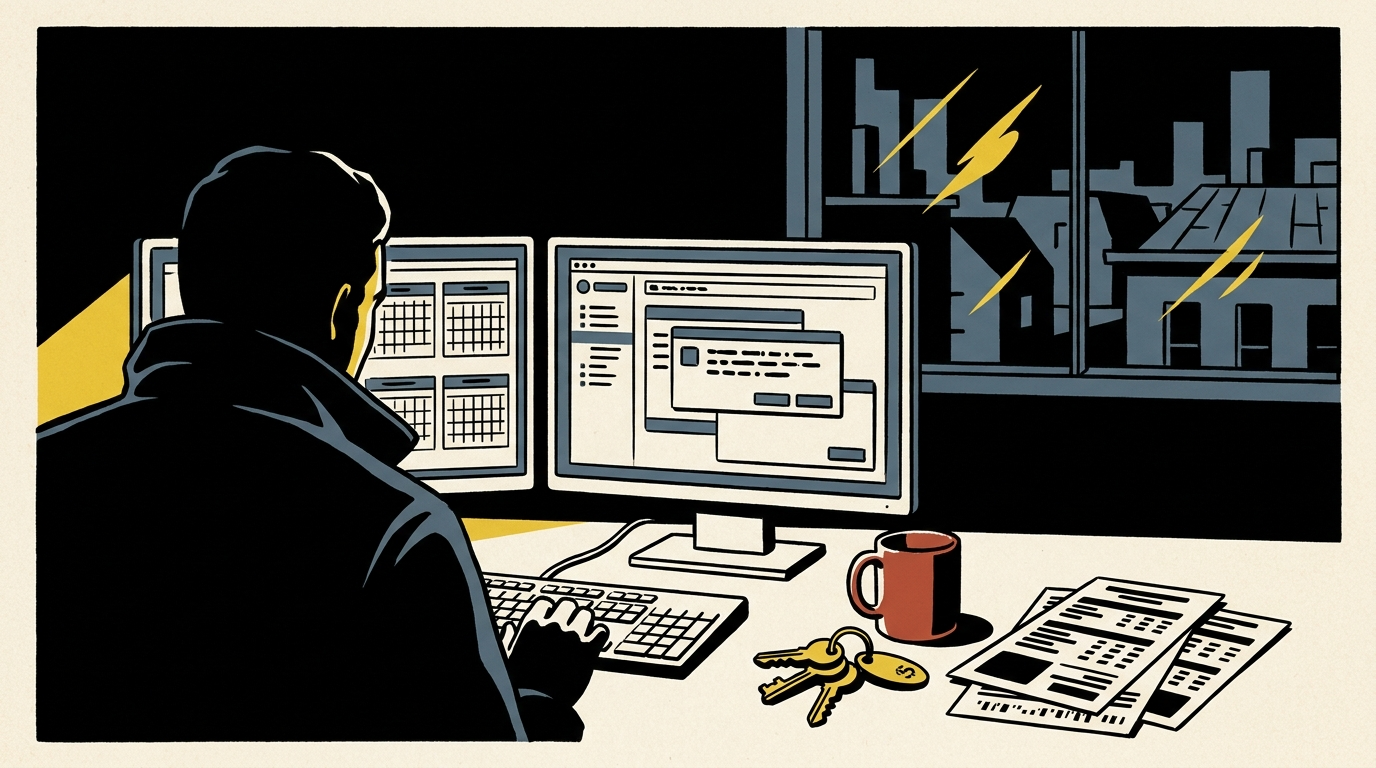
The genesis of a fake listing scam is often chillingly simple: data theft. Scammers are not building properties or hiring photographers. They are, in essence, digital parasites, feeding off the legitimate work of others. Their primary tool is automation – bots that tirelessly scrape popular short-term rental platforms like Airbnb, Vrbo, and Booking.com. These bots are programmed to identify high-performing listings: properties with excellent reviews, high occupancy rates, and attractive photos in desirable locations. They're looking for the 'best of the best' because these are the listings most likely to attract bookings.
Once identified, the entire listing is cloned. This includes all property descriptions, amenity lists, house rules, and crucially, the high-resolution photographs. Sometimes, scammers will even use AI tools or simple photo editing software to slightly alter images – perhaps changing a wall color, adding a generic piece of furniture, or mirroring an image – in a crude attempt to bypass basic image recognition algorithms used by platforms. They might even generate entirely new, but generic, host profiles, sometimes using deepfake technology for profile pictures, creating an illusion of a credible, if bland, host.
The cloned listing is then uploaded to the same platform, or often, to a different one. A common tactic is to scrape a highly-rated Airbnb listing and then post it on Vrbo or Booking.com, or vice-versa, hoping that guests won't cross-reference or that the platforms' internal detection systems won't immediately flag it as a duplicate. These fake listings often appear with slightly lower prices than the legitimate one, or with an enticing 'special discount' to create a sense of urgency and value. This price differential is a key psychological trigger for guests, making the fraudulent listing appear like a fantastic deal. The scammer's overhead is zero: no property acquisition, no maintenance, no cleaning fees, no permit costs, no property taxes. Their entire business model is based on pure profit from stolen bookings, which allows them to undercut legitimate hosts significantly.
The sheer volume of new listings uploaded daily across global platforms makes detection a monumental task. While platforms invest heavily in AI and moderation teams, the scammers continually evolve their methods, playing a perpetual cat-and-mouse game. The sophisticated nature of these operations means they are not isolated incidents but often part of larger, organized criminal networks, leveraging technology to exploit the trust inherent in the peer-to-peer sharing economy.
The Bait and Switch: The Off-Platform Payment Trap
Once a cloned listing is live and a guest expresses interest, the scammer's next move is to redirect communication and, more importantly, payment, off the secure platform. This is the linchpin of the entire operation, as platforms typically only guarantee bookings and payments made directly through their systems. Scammers are masters of social engineering, employing a range of convincing tactics to achieve this diversion.
The initial interaction often starts normally through the platform's messaging system. The scammer, posing as the host, will respond to inquiries, answer questions about the property, and appear helpful and accommodating. This builds a false sense of security and trust. Then comes the pivot. The scammer might claim there's a 'technical glitch' with the platform's payment system, preventing them from accepting the booking directly. They might offer a 'special, limited-time discount' if the guest pays outside the platform, framing it as a way to avoid platform fees for both parties. Another common ruse is to claim they prefer a different payment method for 'faster processing' or 'easier booking management,' especially for last-minute reservations.
The requested payment methods are almost always untraceable or difficult to reverse. These include wire transfers, direct bank transfers, cryptocurrency, or gift cards (e.g., Amazon, Apple, Google Play). These methods bypass credit card protections and platform safeguards. Once the money is sent, it's gone. The urgency created by the 'special offer' or 'limited availability' pushes guests to act quickly, overriding their natural caution. The scammer might even send a professional-looking invoice or a fake booking confirmation email, complete with platform logos, to further legitimize the off-platform transaction.
Guests, eager for a good deal or simply trusting the initial appearance of a legitimate listing, often fall prey. They might rationalize the off-platform request as a quirk of the host or a way to save money. The inherent desire for a smooth, affordable travel experience blinds them to the red flags. By the time they arrive at the property, keys nowhere to be found, they realize they've been duped. The money is lost, the vacation is ruined, and their trust in the entire STR ecosystem takes a massive hit.
The Innocent Bystander: When Real Hosts Get Framed
This is where the scam hits home for legitimate hosts. You've done everything right: invested in your property, secured permits, maintained high standards, earned glowing reviews, and meticulously managed your bookings through official channels. Yet, suddenly, you're dragged into a nightmare not of your own making. The first sign often isn't a notification from a platform, but a frantic, angry guest showing up at your door, demanding entry to a reservation you know nothing about.
The fallout is immediate and multifaceted. Firstly, there's the reputational damage. An upset guest, having lost money and had their trip ruined, is unlikely to be rational. They will often accuse the legitimate host directly, assuming you are part of the scam or, at best, grossly negligent. This can lead to negative social media posts, direct complaints to local authorities, and, crucially, reports to the platforms themselves. Even if the platform eventually clears your name, the initial flag can trigger investigations, temporary listing suspensions, or a reduction in your listing's visibility, impacting your occupancy rate and RevPAR.
Financially, the impact can be severe. While you haven't lost a direct payment, you lose the opportunity for legitimate bookings if your listing is temporarily taken down or deprioritized. The time and emotional energy spent dealing with these false accusations are substantial. You have to gather evidence, communicate with frustrated guests who feel wronged, and navigate complex platform support channels. This diversion of resources away from property management, guest relations, and marketing directly impacts your bottom line. A host's average daily rate (ADR) and overall income are built on consistent bookings and positive guest experiences; a scam like this erodes both.
Beyond the immediate financial and reputational hit, there's the profound emotional toll. Hosts take pride in their businesses. To be falsely accused of fraud, to see your carefully built brand compromised by a faceless criminal, is deeply distressing. Many hosts express feelings of helplessness and frustration, caught between a scammer they can't reach, a guest they can't satisfy, and a platform struggling to keep up. The cleaning fees you budget for, the local taxes you pay, the permit costs you incur – these are all legitimate expenses that underscore your commitment to a real business, a commitment that scammers completely bypass, making the injustice even more acute.
The Economics of Deception: Why the Scammers Win (Often)
Understanding why these scams proliferate requires a hard look at the economics and incentives at play. For the scammer, the business model is almost perfectly designed for high reward and low risk. Their cost of entry is minimal: some basic coding knowledge for scraping, access to VPNs for anonymity, and potentially some cheap, disposable email addresses and phone numbers. They don't need to purchase property, pay mortgages, hire staff, or comply with local regulations like permit fees or lodging taxes. Every dollar they successfully divert from a guest is pure profit, minus negligible operational costs.
The scale of the internet allows them to cast a wide net. A single cloned listing, if undetected for even a few days, can generate multiple fraudulent bookings. When one listing is taken down, another can be spun up almost instantly. This rapid iteration and low overhead mean that even a low success rate can yield substantial returns. If only 1% of their attempts result in a successful off-platform payment, and they're running thousands of fake listings globally, the cumulative profit can be immense. This economic asymmetry – zero cost for the scammer versus significant cost for the victim – makes the enterprise incredibly attractive to criminal elements.
Enforcement is another critical factor. These scammers often operate across international borders, making legal pursuit incredibly challenging. Local law enforcement agencies, already stretched thin, often lack the resources, expertise, or jurisdiction to effectively investigate and prosecute online fraud that originates halfway across the world. Platforms, while having internal fraud teams, are primarily technology companies, not law enforcement. Their focus is often on removing fraudulent listings and preventing future occurrences, rather than pursuing individual criminals through legal channels. The fragmented nature of regulation and jurisdiction provides a fertile ground for these operations to thrive with relative impunity.
The platforms themselves face a difficult trade-off. They need to balance robust security measures with user experience and growth. Overly aggressive verification processes or immediate suspensions based on algorithmic flags can alienate legitimate hosts and guests, slowing down transactions and hindering market expansion. This constant tension between security and usability creates exploitable gaps that scammers are quick to identify and exploit. For every security patch implemented, scammers devise a new workaround, perpetuating a relentless arms race that heavily favors the agile, anonymous aggressor.
Platform Protections and Their Limits: A Tightrope Walk
Major short-term rental platforms are not oblivious to these scams; they invest significant resources into combating fraud. Their efforts typically fall into several categories:
- Automated Detection: AI and machine learning algorithms are trained to spot suspicious patterns: multiple listings with identical photos, unusually low prices for premium locations, new host accounts with immediate high booking volume, or keywords in messages attempting to move communication off-platform.
- Manual Review: Teams of human moderators review flagged listings and suspicious communications, acting as a crucial layer of defense where AI might fall short.
- Secure Messaging Systems: Platforms provide encrypted, monitored messaging channels designed to prevent the exchange of personal contact information before a booking is confirmed, and to flag attempts to divert communication.
- Secure Payment Gateways: All legitimate bookings are processed through the platform's own payment systems, which offer fraud protection, chargeback mechanisms, and a clear record of transactions.
- Educational Campaigns: Platforms often publish warnings and advice for guests and hosts, emphasizing the importance of staying on-platform for all communications and payments.
Despite these efforts, significant limitations persist. The sheer scale of listings – millions globally – makes comprehensive, real-time human review impossible. Automated systems, while powerful, can be bypassed by sophisticated scammers who continually adapt their tactics. For instance, subtle changes to images or descriptions can evade image recognition, and code words can bypass keyword filters. The battle is constant, with scammers always seeking the next vulnerability.
Furthermore, platforms operate under a marketplace model, acting as intermediaries rather than direct providers of accommodation. While they strive to create a safe environment, their terms of service typically place the ultimate responsibility for verifying the legitimacy of a listing and adhering to platform rules on both the host and the guest. If a guest willingly takes communication or payment off-platform, they often forfeit the platform's protections, including refund guarantees. This guest responsibility, while necessary, is often overlooked by travelers eager for a deal, creating the very opening scammers need.
The trade-off between strict security and user experience is a constant challenge. Overly intrusive verification processes or delays in listing activation could deter legitimate hosts. Aggressive automated flagging could lead to 'false positives,' inconveniencing real hosts and guests. Platforms must walk a tightrope, balancing the need for security with the imperative to maintain a seamless, growing marketplace. The financial incentive for platforms is to facilitate bookings, and while fraud is detrimental to that long-term goal, overly burdensome security measures can also stifle growth in the short term, creating a complex problem without easy answers.
The Host's Arsenal: Proactive Defense Against the Blowback
For legitimate hosts and property managers, waiting for platforms to solve this problem entirely is a losing strategy. The onus falls, at least in part, on you to protect your business, your brand, and your guests. This requires a proactive, multi-pronged defense strategy.
- Monitor Your Digital Footprint: Regularly conduct reverse image searches of your listing photos on Google Images, TinEye, or other search engines. This can reveal if your photos are being used on other sites or cloned listings. Search for your property address and unique listing descriptions. Set up Google Alerts for your property name, address, and host name. Vigilance is your first line of defense.
- Establish a Strong Off-Platform Brand Presence: Create and maintain an official website for your property or management company. Be active on social media platforms relevant to travel. This provides a legitimate point of reference for guests to verify your identity. If a guest sees a cloned listing, they can cross-reference it with your established brand. Ensure your official channels clearly state how you conduct bookings and payments – always through the platform for initial reservations.
- Educate Your Guests: This is crucial. In your welcome messages, house manuals, and even on your physical property, include clear, concise warnings about booking scams. Advise guests to ONLY communicate and pay through the official platform channels. Explain that you will NEVER ask for payment via wire transfer, gift cards, or direct bank transfers. Reinforce that platform protection is tied to on-platform transactions.
- Rapid Response Protocol: Develop a clear plan for what to do if you suspect a cloned listing or are contacted by a scammed guest.
- Immediately report any suspicious listings to the platform(s) where they appear. Provide screenshots and all relevant details.
- Document everything: communications with scammed guests, platform support tickets, any evidence of the fraudulent listing.
- Communicate empathetically with scammed guests. While you're not responsible for their loss, their anger is real. Offer to help them report the scam to the platform and local authorities. Provide your legitimate booking confirmations to demonstrate your innocence.
- Watermark Your Photos: While not foolproof, adding a subtle, professional watermark with your property name or logo to your listing photos can make it harder for scammers to use them convincingly without revealing their fraud.
- Vary Your Listing Content: Periodically update your listing description and even some photos. This makes it harder for scammers to maintain exact clones and can help platform algorithms detect discrepancies.
The scammers are weaponizing the very success of legitimate hosts, cloning their listings, impersonating their brands, and rerouting payments into their own pockets.
The Policy Labyrinth: Regulation, Liability, and the Future
The legal and regulatory landscape surrounding short-term rental scams is a complex, often ambiguous, territory. Unlike traditional financial fraud with established legal frameworks, the digital, cross-border nature of these fake listing scams presents unique challenges. Existing consumer protection laws can apply, but their enforcement against anonymous, international perpetrators is difficult. Generally, if a guest pays off-platform, they lose the protections offered by their credit card company or the platform's guarantee, placing the burden of loss squarely on them.
The question of platform liability is a persistent debate. While platforms invest in fraud prevention, they typically maintain that they are not responsible for transactions that occur outside their official channels. Their terms of service are designed to limit liability for user-generated content and off-platform interactions. However, as these scams become more prevalent and sophisticated, there is increasing pressure from consumer advocates and, potentially, regulators for platforms to do more. This could manifest in several ways:
- Stricter Verification for New Listings: Moving beyond simple email and phone verification to require more robust identity checks for all new hosts and properties, especially those attempting to list highly desirable or expensive rentals.
- Enhanced AI and Human Moderation: Continuous investment in advanced detection technologies and larger, better-trained moderation teams to proactively identify and remove cloned listings before they cause harm.
- Clearer Liability Standards: Potential legislative efforts to define the extent of platform responsibility when fraudulent listings operate unchecked on their sites, even if payments are diverted.
- Industry-Wide Data Sharing: Greater collaboration between platforms to share information about known scam tactics, fraudulent accounts, and compromised listings, creating a more unified front against these criminals.
The future of combating these scams will likely involve a combination of technological advancements, policy shifts, and increased user awareness. As artificial intelligence becomes more sophisticated, it will undoubtedly be deployed more effectively by platforms to detect anomalies and identify deepfakes. However, AI is a double-edged sword; scammers will also leverage it to create more convincing fake content and automate their operations further. The human element, both in diligent platform moderation and in informed guest behavior, will remain critical.
Ultimately, the long-term solution lies in rebuilding and reinforcing trust. This means platforms must be transparent about their security measures, hosts must actively protect their brand and educate their guests, and guests must exercise caution and adhere to safe booking practices. Without a collective effort, the ghost listings will continue to haunt the industry, eroding the very foundation of trust that has allowed short-term rentals to flourish.
The bottom line for hosts
This isn't just about guests losing money; it's about your business and your reputation. The fake listing scam is a direct threat to your livelihood, even if you never directly lose a dime. The damage to trust, the time spent fighting false accusations, and the potential impact on your booking rates are real and measurable. You cannot afford to be complacent.
Your primary defense is vigilance and proactive communication. Make it a routine to search for your property's photos and description online. Set up alerts. Be loud and clear with every guest: all communications and payments must happen exclusively through the booking platform. Emphasize that this is for their protection and yours. Include this message in your welcome guide, your pre-arrival emails, and even a discreet sign in your property. You are not just a host; you are a guardian of your brand and an educator for your guests.
If a scammed guest contacts you, respond with empathy and a clear commitment to help them navigate the platform's reporting process. Document everything. Your quick, professional response, even in a difficult situation, can mitigate reputational damage and demonstrate your integrity. The short-term rental industry thrives on trust, and in this era of sophisticated digital deception, maintaining that trust requires an active, informed, and relentless defense.
About this piece
An original expert-analysis column by the STR NEWS desk. Figures are illustrative of how the market behaves; confirm specifics for your own market before you act.


Read the desk every morning.
The day's crackdowns and platform moves, the money, the design and the stays going viral, plus the desk's verdict, in one short email every morning.