The Nirvana Premium: Kurt Cobain's Olympia Apartment and the Monetization of Grunge
A historic Olympia apartment where Kurt Cobain wrote 'Nevermind' is now on Airbnb, exposing the raw financial power—and ethical tightrope—of rock-and-roll real estate.
The irony is thick enough to choke on. Kurt Cobain, a man who spent his brief, spectacular career fleeing the clutches of corporate commercialism, has had his old Olympia apartment converted into an Airbnb. The very place where the high priest of grunge lived on cheap frozen dinners, wrote the songs that destroyed hair metal, and spray-painted the walls in a damp, pre-fame haze is now available for nightly booking. For a fee, any traveler with a verified profile and a valid credit card can sleep where much of Nevermind was written.
This is the modern short-term rental market in a nutshell: nothing is sacred, everything is monetizable, and history is the ultimate amenity. The transition of 114 Pear Street NE from a cheap, moldy punk-rock crash pad into a yield-generating accommodation asset is more than just a curiosity for music fans. It is a masterclass in the commercialization of cultural heritage, demonstrating how operators can extract premium returns from properties that would otherwise be unremarkable, low-yielding units in secondary markets.
For the short-term rental industry, the Cobain apartment is a textbook case of asset positioning. It raises critical questions about the ethics of heritage hospitality, the economics of the cultural premium, and the operational realities of managing a property that is treated by its guests not just as a place to sleep, but as a shrine. When a home becomes a monument, the standard rules of hospitality are rewritten, and the line between preservation and exploitation becomes razor-thin.
What happened
According to reporting by MyNorthwest.com, the apartment at 114 Pear Street NE in Olympia, Washington, where Kurt Cobain lived from 1989 to 1991, has been listed on the short-term rental platform Airbnb. The property, located in a modest residential pocket of the state capital, served as Cobain's creative crucible during his relationship with Tracy Marander. It was here, in a small, damp space, that Cobain penned much of Nirvana's seminal 1991 album Nevermind.
The conversion of the space has sparked intense debate among music preservationists, local residents, and short-term rental operators. The listing features details that reference its historic occupant, capitalizing on the immense, enduring global interest in Cobain's life and work. While some fans view the commercialization of the property as a betrayal of the musician's anti-establishment ethos, others argue that preserving the building as an active, self-sustaining rental is preferable to letting it fall into disrepair or face demolition.
MyNorthwest.com notes that the property has drawn significant attention from travelers seeking an experiential connection to rock history, demonstrating the potent draw of pop-culture tourism in the lodging sector. The apartment has been updated to meet modern hospitality standards while retaining elements that evoke its late-1980s aesthetic, creating a delicate balance between historical authenticity and guest comfort.
The commodification of counterculture and the rise of rock tourism
The transformation of Cobain's apartment is part of a broader, highly lucrative trend within the short-term rental industry: the commodification of counterculture. Over the past decade, the travel market has shifted decisively away from standardized hotel rooms toward highly specific, narrative-driven accommodations. Consumers, particularly millennials and Gen Z travelers, are no longer content with merely visiting historical sites; they want to inhabit them, even if only for a weekend.
This desire for experiential immersion has turned historic rock-and-roll properties into prime real estate. Across the globe, properties associated with musical legends are being converted into short-term rentals. From Jimi Hendrix's London flat to Jim Morrison's West Hollywood cabin, the homes where cultural revolutions were plotted are now functioning as high-yield lodging assets. The appeal to the consumer is obvious: it is the ultimate form of fan access, offering a tangible connection to the creative spirits of their idols.
For the property owner, this trend represents an unparalleled opportunity to escape the commodity pricing trap of the standard short-term rental market. In a crowded marketplace where hundreds of identical-looking apartments compete on price, a property with a unique, uncopyable historical narrative possesses a natural monopoly. You can build a newer, larger, more modern apartment, but you cannot build the room where Kurt Cobain wrote Polly. That historical association is a proprietary asset that cannot be replicated by competitors, allowing the host to command a significant pricing premium.
However, this monetization of the counterculture carries inherent risks. The core appeal of grunge music was its authenticity, its raw rejection of commercial systems, and its alignment with the marginalized and dispossessed. Converting the cradle of that movement into a commercial hospitality product can alienate the very community that keeps the artist's legacy alive. Operators must navigate this tension carefully, ensuring that their marketing and presentation respect the history they are selling, lest they be accused of cheapening the legacy for a quick buck.
The economics of the heritage premium
To understand the financial power of the heritage premium, one must look at the real estate dynamics of secondary markets like Olympia, Washington. Olympia is not Seattle or Vancouver; it does not enjoy a constant influx of high-spending business travelers or international tourists. The local long-term rental market is driven largely by state government employees, students from The Evergreen State College, and local service workers. In a typical year, a standard one-bedroom apartment in Olympia commands a modest monthly rent, with yields that are steady but unexciting.
In the short-term rental market, a standard, non-themed property in a city like Olympia must compete fiercely for a limited pool of travelers. Occupancy rates can be highly seasonal, peaking during the summer months and dipping significantly during the dark, rainy Pacific Northwest winters. To maintain viability, standard hosts must constantly adjust their rates, participate in platform promotions, and spend heavily on marketing and professional photography.
Now, inject a historical narrative into the equation. By positioning the property as the birthplace of Nevermind, the operator completely bypasses the local demand dynamics. The target market is no longer the casual traveler looking for a cheap place to stay while visiting relatives; it is the global community of Nirvana fans, music historians, and pop-culture tourists. These travelers are highly motivated, relatively price-insensitive, and willing to make a pilgrimage specifically to stay in this property.
This pricing power is reflected in the numbers. While a standard one-bedroom apartment in Olympia might struggle to maintain a high average daily rate, a historic property can command a massive premium. Even at a conservative estimate, the heritage premium can easily double or triple the average daily rate of comparable properties in the same neighborhood. This translates directly into a radically improved cash-on-cash return and a compressed payback period for the initial acquisition and renovation capital. The math is simple: history pays, and it pays handsomely.
The regulatory and preservationist tightrope
Operating a high-profile historical short-term rental is not without its legal and regulatory challenges. Municipalities across the country are cracking down on short-term rentals, implementing strict licensing requirements, caps on the number of permits, and outright bans in residential zones. For owners of historic properties, these regulations can be even more complex, as they often intersect with historic preservation ordinances and building codes.
In Olympia, short-term rentals are subject to local regulations designed to protect the housing stock and minimize neighborhood disruption. Hosts must obtain a business license, comply with safety standards, and pay local lodging taxes. When a property is recognized as having historical significance, any alterations to the building's exterior or structural layout may require approval from local preservation boards. This can significantly complicate renovations, as modernizing the plumbing, electrical systems, and fire safety measures to meet lodging standards must be done without damaging the historic integrity of the structure.
Moreover, preservationists often view short-term rentals with skepticism. They worry that high guest turnover will lead to accelerated wear and tear on fragile historic structures, or that the commercial focus of the operator will result in insensitive alterations that erase the building's history. There is also the concern of public access: if a historic site is locked behind a private booking platform, it is effectively closed to the public, turning a shared cultural resource into an exclusive playground for those who can afford the nightly rate.
Conversely, short-term rentals can actually be a powerful tool for historic preservation. Many historic homes are expensive to maintain, and public funding or grants for preservation are notoriously scarce. By generating a steady stream of high-margin hospitality revenue, a short-term rental can provide the financial resources necessary to keep a historic building in excellent repair. Without this commercial viability, many historic properties would be at risk of neglect, decay, or redevelopment into modern, characterless structures.
The authenticity trap: designing for the modern pilgrim
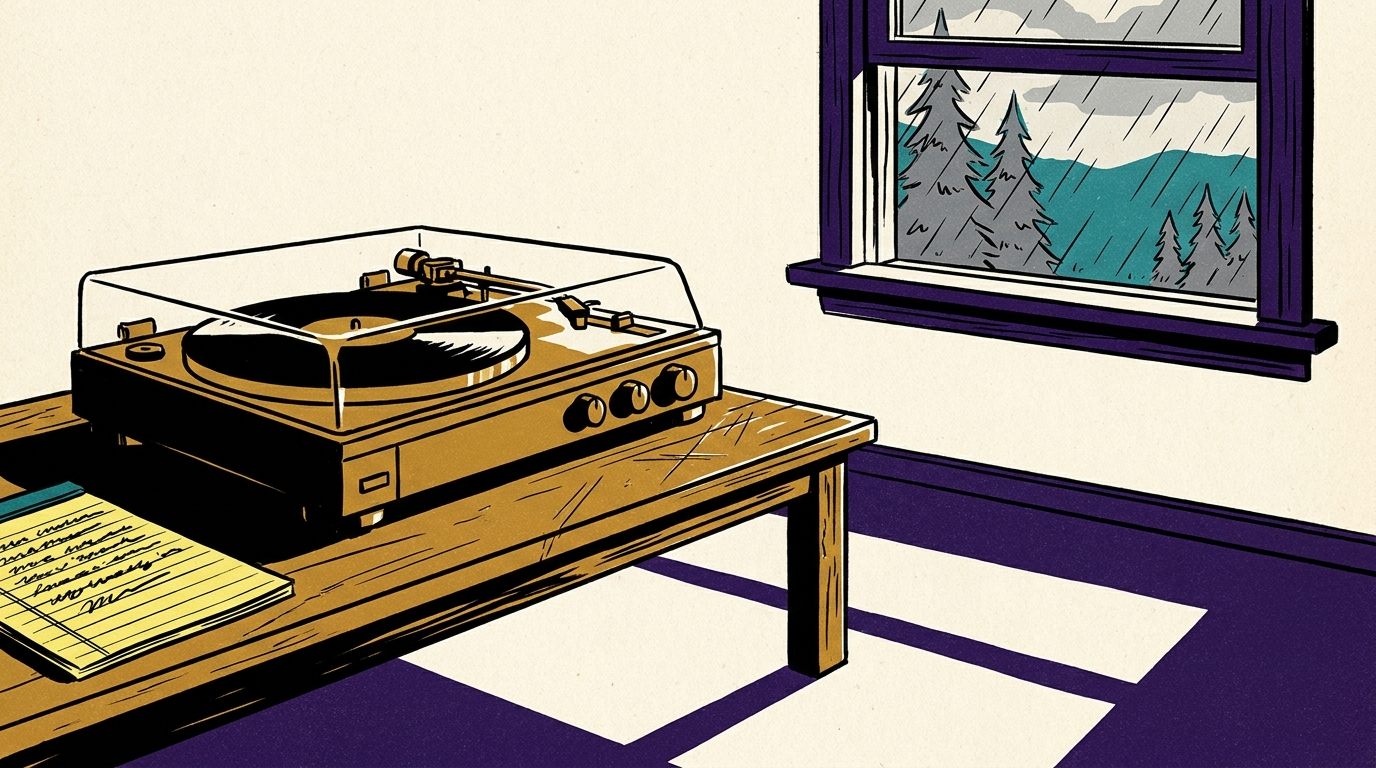
One of the most difficult challenges in managing a heritage short-term rental is what we call the authenticity trap. When guests book a stay at Kurt Cobain's old apartment, they are chasing a specific mood. They want to feel the damp, creative isolation of 1989 Olympia. They want to imagine Cobain sitting in the corner, strumming an acoustic guitar while the rain beats against the window. They want authenticity.
However, the reality of late-1980s punk-rock living is entirely incompatible with modern hospitality expectations. By all accounts, Cobain's apartment during his residency was damp, cluttered, and frequently messy, with paint-splattered walls and a diet consisting largely of cheap macaroni and cheese. If a host were to deliver a truly authentic replication of that environment, they would be hit with an immediate flood of one-star reviews, complaints about cleanliness, and demands for refunds from guests accustomed to high-end hotel standards.
Therefore, the host must engage in a careful act of curation, creating a clean, comfortable simulation of the past. This means providing modern comforts—high-speed Wi-Fi, premium mattresses, clean linens, and functional heating—while layering on design elements that evoke the desired era. This might include vintage furniture, record players with a selection of classic vinyl, framed historical photos, and subtle artistic nods to the building's famous resident. The goal is to make the space feel historic and atmospheric without sacrificing the basic comforts that modern travelers take for granted.
This design challenge requires a deep understanding of the target demographic. Fans are highly sensitive to commercial cynicism; if the space feels like a cheap, opportunistic exploitation of Cobain's memory, they will reject it. The design must feel respectful, thoughtful, and genuinely connected to the history. It is a delicate balance: the property must feel old enough to be authentic, but clean and functional enough to justify a premium nightly rate.
History is the ultimate amenity, a proprietary asset that cannot be replicated by competitors, allowing the host to command a massive pricing premium.
The platform play: why Airbnb loves cultural landmarks
The monetization of properties like the Cobain apartment is not just a win for individual hosts; it is also a key component of Airbnb's global brand strategy. In recent years, the platform has faced increasing criticism over its impact on housing affordability, neighborhood displacement, and the homogenization of travel. To counter this narrative and maintain its cultural relevance, Airbnb has leaned heavily into experiential travel and unique listings.
Unique, culturally significant properties generate massive amounts of earned media for the platform. A listing like Kurt Cobain's former apartment is a magnet for journalists, bloggers, and social media influencers, driving millions of impressions and generating free publicity that would cost millions of dollars to acquire through traditional advertising. It reinforces the idea that Airbnb is not just a tech platform for renting rooms, but a portal to unique, unforgettable life experiences.
This strategy is formalized in initiatives like Airbnb's Icons category, which features highly publicized, often platform-sponsored stays in famous locations, such as the house from the movie Up or Prince's Purple Rain villa. While these high-profile listings represent a tiny fraction of the platform's overall inventory and booking volume, their marketing value is immense. They create a halo effect, drawing users to the platform who may end up booking more conventional properties.
For the independent operator of a historic property, this platform appetite is a massive advantage. It means that unique, narrative-rich listings are often favored by the platform's search algorithms, receiving higher visibility and promotion. However, hosts must also be aware that they are part of a larger corporate marketing engine. They must maintain high operational standards to protect both their own reputation and that of the platform, as any negative press or operational failures at a high-profile historic property will be amplified globally.
Managing the neighborhood friction and fan pilgrimage
Operating a high-profile short-term rental is not just an interior design and marketing challenge; it is also a community relations challenge. When a quiet residential building at 114 Pear Street NE becomes an international destination for music fans, the surrounding neighborhood is inevitably affected. Neighbors who did not sign up to live next to a rock-and-roll tourist attraction may quickly grow resentful of the constant influx of strangers.
The primary source of friction is the physical presence of fans. Even those who do not book the apartment may visit the street to take photos, leave tributes, or simply linger outside the building. This can lead to concerns about privacy, parking congestion, and security among long-term residents. For guests staying in the apartment, the knowledge that fans are gathered outside can also detract from their experience, making them feel like they are living in a fishbowl.
To mitigate these issues, professional property management is essential. Hosts must establish clear boundaries and rules for guests, ensuring that they respect the peace and quiet of the neighborhood. This includes strict quiet hours, parking restrictions, and clear communication about where guests can and cannot go on the property. It also means engaging with the local community, addressing neighbors' concerns proactively, and perhaps even dedicating a portion of the rental proceeds to local community or preservation projects to build goodwill.
Security is another critical consideration. High-profile properties can be targets for vandalism, trespassing, or theft. Hosts must invest in discreet, high-quality security systems, such as smart locks, noise monitors, and exterior security cameras, to monitor the property without violating guests' privacy. Managing a historic monument requires a proactive, hands-on approach that balances the needs of the guests, the safety of the asset, and the peace of the neighborhood.
What hosts should do now
If you own or are considering acquiring a property with historical, cultural, or architectural significance, there are concrete steps you must take to successfully navigate the heritage short-term rental market.
- Verify local zoning and preservation rules: Before investing a single dollar in renovations, consult with local planners and historic preservation boards to understand what modifications are permitted and what licenses are required.
- Invest in respectful, high-quality design: Avoid cheap, gimmicky themes. Hire a professional designer to create a space that balances historical authenticity with modern hospitality standards, ensuring the property feels respectful of its heritage.
- Implement advanced property management tech: Protect your asset and your neighborhood with smart locks, noise-monitoring devices, and exterior security cameras to manage guest behavior and prevent unauthorized gatherings.
- Proactively manage neighbor relations: Meet with your neighbors, share your contact information, establish strict house rules regarding noise and parking, and address any community concerns immediately to prevent complaints.
- Tell the story in your marketing: Your property's history is your unique selling proposition. Write a compelling, accurate listing description that highlights the property's narrative, and use professional photography to showcase its unique character.
The short-term rental market is maturing, and the era of generic, white-box apartments is drawing to a close. As travelers increasingly seek out unique, narrative-driven experiences, properties with a genuine connection to history—like Kurt Cobain's Olympia apartment—will continue to command a premium. By understanding the economics of the heritage premium, respecting the history, and managing the operational challenges with professionalism, smart hosts can unlock incredible value from culturally significant real estate.
Checked by the standards desk (Eleanor Quist): 2 specifics were removed or attributed as unverified before publication.



Read the desk every morning.
The day's crackdowns and platform moves, the money, the design and the stays going viral, plus the desk's verdict, in one short email every morning.