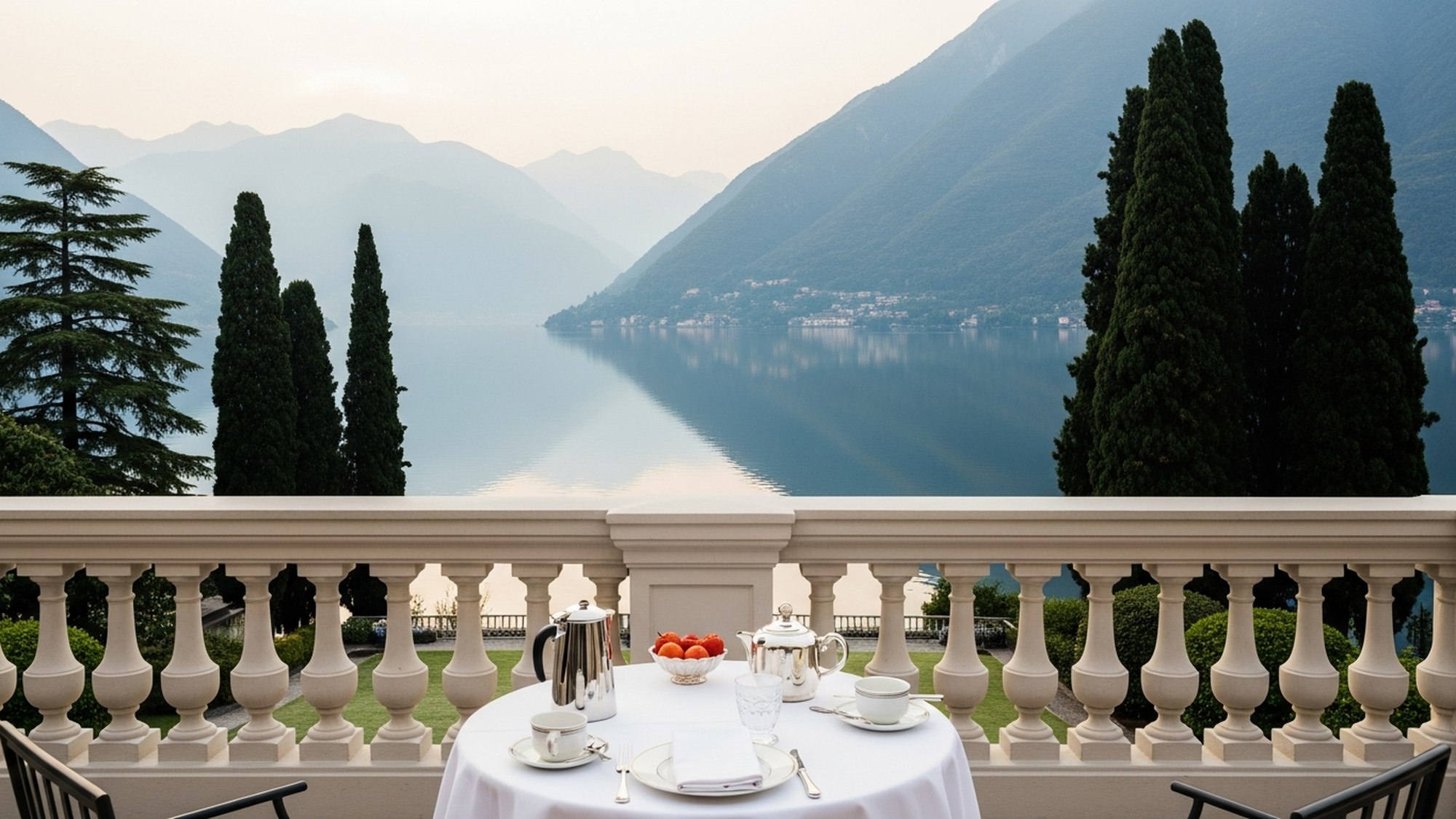
The Insta-Bubble: A-Frames, Domes, Treehouses Are Overrunning the Market. Is Your Novelty Stay Already Obsolete?
The STR world is awash with unique-stay listings, each promising Instagram fame and outsized profits. But as the floodgates open, the once-lucrative niche is rapidly becoming a crowded commodity. We dig into the data and
Wake up, hosts. The fairy tale is over. For years, the internet promised easy money for anyone bold enough to list a treehouse, an A-frame, or a geodesic dome. They called it the 'unique stay' revolution, a gold rush for the gram, and for a glorious stretch, it delivered. Guests paid obscene premiums to sleep in a glorified tent or a geometrically challenging cabin, all for the bragging rights and the perfect photo op. But the party is ending, and the hangover is going to be brutal for those who mistook a trend for a permanent market shift. The once-scarce, high-ADR novelty property is now just another listing in a sea of identical aspirations.
We saw this coming. Every time a niche market proves profitable, the fast followers pile in, driving down prices and eroding the very 'uniqueness' that generated the appeal. What was once a rare, design-led experience is now a common sight, easily replicable, and increasingly unremarkable. The market is correcting, and it’s time for a hard look at where these properties stand today, and more importantly, where they are headed tomorrow.
This isn't about shaming anyone who built a dome with their own two hands. It's about facing the cold, hard reality of market dynamics. Your differentiator has been copied, often poorly, by a thousand other hopefuls. The unique stay boom is transitioning from a premium-generating phenomenon to a highly competitive, often saturated, sector. The question isn't whether these properties still book; it's whether they still command the premiums that justified their often-exorbitant upfront costs and ongoing operational headaches.
The Gold Rush for the Gram
The rise of the unique stay was fueled by something more potent than mere accommodation: social currency. In an age dominated by visual platforms, a stay wasn't just about a bed; it was about content. A striking A-frame in a pine forest, a futuristic dome under a canopy of stars, a whimsical treehouse among ancient oaks – these weren't just places to sleep, they were backdrops for a curated online identity. Guests weren't just paying for the night; they were paying for the likes, the shares, the envy of their followers. This fundamental shift in consumer motivation created an entirely new pricing dynamic for short-term rentals.
Hosts, savvy and quick to adapt, understood this. They invested heavily in design, in photogenic locations, and in the 'vibe.' Professional photography became non-negotiable. Every detail, from the minimalist decor to the outdoor fire pit, was chosen for its visual impact. Platforms like Airbnb, with their algorithmic push for novelty and their emphasis on 'categories' like 'Treehouses,' 'Domes,' and 'Amazing Views,' only accelerated this trend. They actively promoted these listings, giving them prime placement in search results and editorial features. It was a perfect storm: hosts building photogenic properties, guests eager for shareable experiences, and platforms eager to showcase their diverse offerings.
The early returns were spectacular. Many pioneer hosts reported average daily rates (ADR) that dwarfed those of conventional apartments or even high-end vacation homes in the same market. Occupancy, while perhaps not reaching the consistent 80-90% of a city center apartment, was often robust enough, especially during peak seasons, to generate impressive RevPAR. The math seemed simple: invest more in design, charge significantly more per night, and watch the profits roll in. This success story became a powerful siren call, drawing in hordes of new investors, developers, and DIY enthusiasts, all chasing the same dream.
The Economics of Novelty: Why Premiums Stick (for now)
The core appeal of a novelty listing is its perceived scarcity and experiential value. A guest booking an A-frame isn't just seeking shelter; they're seeking a specific aesthetic, a break from the mundane, an Instagram moment. This allows hosts to command a significant premium over traditional STRs. Where a conventional 2-bedroom cabin in a rural market might fetch $150-200 a night, a well-designed A-frame or dome in the same area could easily demand $300-500, sometimes more on weekends or holidays. The initial investment, often substantially higher due to specialized construction, materials, and engineering, was justified by these elevated ADRs.
Consider the build costs. Constructing a standard rectangular house benefits from economies of scale, standardized materials, and well-understood building techniques. Building a geodesic dome, on the other hand, often requires specialized kits, custom fabrication, and contractors with niche skills. Treehouses involve complex structural engineering, custom supports, and often significant tree work. These aren't off-the-shelf projects. Permit costs, too, can be higher, as inspectors may need to review non-standard plans more rigorously. The financing options can also be more limited, with traditional lenders often wary of unconventional collateral. These initial hurdles screened out many, keeping the supply somewhat constrained in the early days.
Operationally, these properties also present unique cost structures. Cleaning fees, a constant source of guest friction, are often higher for unique spaces. Irregular shapes, custom fixtures, and the expectation of pristine condition for a premium product mean cleaners might spend more time, or require specialized tools and techniques. Maintenance can also be more complex. A leak in a standard roof is one thing; a leak in a complex, multi-faceted dome structure is another. The materials themselves – cedar siding on an A-frame, specific membrane for a yurt – often require specialized care or replacement. These are not minor considerations; they eat into profit margins, even at high ADRs.
The Permit Maze and Regulatory Headwinds
For many aspiring unique-stay hosts, the romantic vision of building a secluded retreat crashes head-first into the brutal reality of local zoning and building codes. Traditional residential zoning is built around traditional structures. A-frames might sneak by, but domes, yurts, and especially treehouses often don't fit neatly into established categories. Many jurisdictions simply don't have clear guidelines for non-conventional dwellings, leading to protracted permit processes, expensive engineering reviews, or outright denials.
Consider the structural integrity requirements. A building inspector's job is to ensure safety. A standard stick-built house has well-established engineering principles. A treehouse, however, requires specialized knowledge of tree dynamics, load distribution, and long-term tree health. Domes, while structurally sound, often require stamped engineering plans to prove their wind and snow load capabilities, especially in extreme climates. These engineering costs alone can add tens of thousands to a project budget.
Beyond structure, there are utility hookups. Septic systems, water wells, and electrical connections must meet code, regardless of the structure's shape. Access roads, fire breaks, and emergency vehicle access are also critical, particularly for remote, unique stays that often seek isolation. Some areas simply forbid short-term rentals in certain zones, or impose strict limits on density, which can block even a compliant build from being rentable. Many hosts, frustrated by the bureaucratic labyrinth, have historically attempted to skirt these rules, building in 'gray areas' or even entirely off-grid without proper permits. This is a dangerous game. Local authorities are increasingly sophisticated in identifying unpermitted STRs, and the penalties — forced removal, hefty fines, or even legal action — can wipe out any perceived savings.
The Marketing Machine: How Platforms Push the New
The major short-term rental platforms, especially Airbnb, played an undeniable role in supercharging the unique stay trend. Their marketing departments understood the power of visual storytelling and the desire for differentiated travel experiences. They actively created and promoted 'categories' for unique properties, making it easier for guests to discover these listings. If a guest was searching for a 'cabin,' they might see dozens of conventional options. But if they filtered for 'treehouse,' they were presented with a curated selection of truly distinct properties. This categorization provided a powerful marketing boost, essentially creating a dedicated showcase for these novel listings.
Algorithms also favored novelty and engagement. When a new, visually striking property launched, it often received an initial boost in visibility. High click-through rates, saves to wishlists, and bookings for these properties signaled to the algorithm that they were popular, reinforcing their visibility. This created a positive feedback loop: more visibility led to more bookings, which led to more reviews, which further improved ranking. For hosts, this meant that investing in a truly unique and photographable property could translate into organic marketing that far outstripped what a conventional listing could achieve.
Moreover, platforms benefited from the 'halo effect' of these aspirational listings. They presented a more exciting, diverse image of short-term rentals, attracting new users and reinforcing their brand as a portal to extraordinary travel. The platform fee structure, typically a percentage of the booking total, also meant that higher ADRs on unique stays translated into higher revenue for the platforms themselves. It was a symbiotic relationship: hosts got unparalleled marketing exposure, guests got unique experiences, and platforms grew their user base and revenue. This dynamic, however, is precisely what made the market so attractive to latecomers, eventually leading to the crowding we see today.
The once-scarce, high-ADR novelty property is now just another listing in a sea of identical aspirations.
The Crowding Effect: When Novelty Becomes Niche, Then Commonplace
This is where the rubber meets the road. The 'unique' market has become, in many areas, anything but. What started as a handful of pioneering A-frames and domes quickly multiplied. The success stories were widely publicized, inspiring countless others to enter the fray. Developers, seeing the outsized returns, began building entire communities of identical tiny homes or modular domes. The result? Saturation.
AirDNA, a prominent short-term rental data provider, has consistently reported a significant increase in supply across 'unique' categories in many popular vacation markets. While precise, publicly attributed figures for specific types like 'treehouses' are not always available by specific cities, the trend in broader categories like 'cabins' or 'unconventional stays' points to a clear pattern: supply growth often outstripping demand growth in specific sub-markets. What happens when 20 identical A-frames pop up within a 30-minute drive of each other, all vying for the same pool of guests? ADR compression. The premium you once commanded simply vanishes. Guests now have choices, and they will naturally gravitate towards the best value, or the one with slightly better reviews, or perhaps the one that just launched and has a lower introductory rate.
This erosion of ADR is a severe threat to the profitability of unique stays. These properties often come with higher fixed costs: higher initial investment, more complex maintenance, and potentially higher cleaning and insurance premiums. If your ADR drops by 20-30% because of increased competition, your profit margins, which were built on those high rates, can evaporate quickly. The 'race to the bottom' is a real phenomenon, and it hits high-cost, high-overhead operations particularly hard. We are seeing markets where a well-executed dome, once a rare gem, now struggles to achieve the same RevPAR as a conventional, less 'sexy' but efficiently managed three-bedroom house. The market isn't rejecting unique stays; it's simply re-pricing them to reflect their new reality as a common offering, not a rare one.
Beyond the Photo Op: The Operational Realities
The glossy photos on a listing page often obscure the grittier realities of operating a unique stay. These properties, by their very nature, introduce operational complexities that a standard home simply does not. Maintenance is a prime example. A conventional rectangular structure is relatively straightforward to repair. Common materials, standard dimensions, and readily available contractors make fixes predictable and often affordable. A dome with a specific membrane, however, or a treehouse requiring a skilled arborist, presents entirely different challenges.
Specialized components often mean higher repair costs and longer wait times for parts or specialized labor. Heating and cooling can also be more complex. Irregular shapes can lead to less efficient insulation or uneven heat distribution, potentially increasing utility bills. Accessibility is another factor often overlooked. Spiral staircases, elevated platforms, or remote locations can limit the guest pool, making it difficult for families with young children, elderly guests, or those with mobility issues. While some hosts lean into this, targeting a specific adventurous demographic, it still narrows the market.
Guest expectations are also significantly higher for a unique stay. Guests who pay a premium for an 'experience' are less forgiving of minor imperfections. A squeaky floorboard in a standard cabin might be overlooked; in a meticulously designed treehouse, it might become a point of frustration. Cleaning, as mentioned earlier, is often more demanding due to unique surfaces, custom layouts, and the sheer desire to maintain the 'magazine-ready' appearance. These operational hurdles, when combined with falling ADRs, can quickly turn a dream investment into a logistical nightmare. The 'set it and forget it' model simply does not apply here; these properties demand a hands-on, often specialized, approach to management.
The Counter-Argument: Stick to the Fundamentals
While the unique stay market commanded the headlines, the unsung heroes of the STR world continued to quietly churn out consistent returns: the well-located, well-managed, conventional property. The 3-bedroom, 2-bathroom house near a major attraction, the condo walking distance to downtown, the comfortable beach cottage with direct access – these are the workhorses of the industry. They may not generate 'wow' photos for Instagram, but they generate steady cash flow, often with lower operational complexity and more predictable maintenance schedules.
The appeal of these fundamental properties lies in their broad market appeal. They cater to families, business travelers, groups of friends, and couples – a much wider demographic than the niche appeal of a treehouse. Their construction costs are generally lower and more predictable, and they integrate seamlessly into existing zoning and building codes. Financing is typically easier to secure. From a management perspective, sourcing cleaners, maintenance technicians, and repair parts is straightforward. There's less bespoke problem-solving and more reliance on established industry practices.
Furthermore, while unique stays battle for decreasing premiums, conventional properties, especially those that focus on excellent service, cleanliness, and essential amenities (good Wi-Fi, comfortable beds, well-stocked kitchens), continue to perform reliably. They often achieve higher occupancy rates because their appeal is functional and practical, not just experiential. A consistent 70-80% occupancy at a moderate ADR often produces a more stable and less volatile revenue stream than a 40-50% occupancy at a high ADR that is constantly under threat from new competition. In a market where novelty is becoming common, reliability and strong fundamentals are proving to be the real differentiators.
The Next Wave of Novelty, or the Return to Basics?
So, what does the future hold for the unique stay? Is it simply a case of market correction, or a deeper shift in consumer preference? We believe it's both. There will always be a segment of travelers seeking truly extraordinary experiences, and genuinely innovative, well-executed unique stays will continue to command a premium. But the bar for 'unique' is getting significantly higher. Merely building a standard A-frame or dome is no longer enough. The next wave of successful novelty properties will need to offer something truly exceptional, whether that's an unparalleled location, groundbreaking design, integrated immersive experiences, or sustainable features that genuinely resonate with guests.
The challenge for hosts now is to differentiate within a crowded field. This might involve investing in amenities that go beyond the visual: private hot tubs, gourmet outdoor kitchens, stargazing equipment, or truly personalized service. It means leaning into authentic local experiences rather than generic aesthetics. It means understanding that the 'Instagrammability' is only the hook; the actual stay needs to deliver an equally compelling experience to earn five-star reviews and repeat bookings.
However, for the vast majority of hosts and investors, the smart money is likely shifting back to the fundamentals. The allure of quick, high returns from a novelty build is fading, replaced by the enduring wisdom of location, quality, and efficient management. The market is reminding us that while trends can be lucrative, they are also fleeting. Sustainable success in the short-term rental industry ultimately rests on meeting consistent, broad-based demand with a quality product and impeccable service, regardless of whether that product is a cutting-edge dome or a comfortable suburban home.
The bottom line for hosts
If you're already operating a unique stay, your focus must shift from simply riding the wave to actively defending your position. This means doubling down on guest experience, maintaining immaculate conditions, constantly refreshing amenities, and actively seeking repeat bookings. You cannot rely on novelty alone anymore. Invest in top-tier photography, but ensure the reality lives up to the hype. Consider dynamic pricing strategies that react swiftly to market saturation and seasonal shifts.
For those contemplating a unique stay build, proceed with extreme caution. The era of easy premiums is largely over. Conduct rigorous market research beyond just scrolling Instagram. Is there genuine, undersupplied demand for your specific concept in your chosen location, or are you just adding another similar unit to an already crowded market? Be brutally honest about your construction and operational costs. Understand that your break-even point is likely much higher, and your ADR potential much lower, than it was even two or three years ago. The 'unique stay' is no longer a guaranteed golden ticket; it's a high-stakes gamble in a maturing, competitive market. Sometimes, the most profitable move is the most boring one: buy a decent house in a desirable location, furnish it well, and manage it professionally. The market still pays for reliability, even if it doesn't always go viral.
About this piece
An original expert-analysis column by the STR NEWS desk. Figures are illustrative of how the market behaves; confirm specifics for your own market before you act.

Related from the desk

Read the desk every morning.
The day's crackdowns and platform moves, the money, the design and the stays going viral, plus the desk's verdict, in one short email every morning.