When Vacation Rentals Burn: The Legal Battle Over Who Actually Pays
A Wisconsin fire that killed four guests has triggered a high-stakes legal battle, exposing the paper-thin safety net of platform insurance and the limits of Section 230.
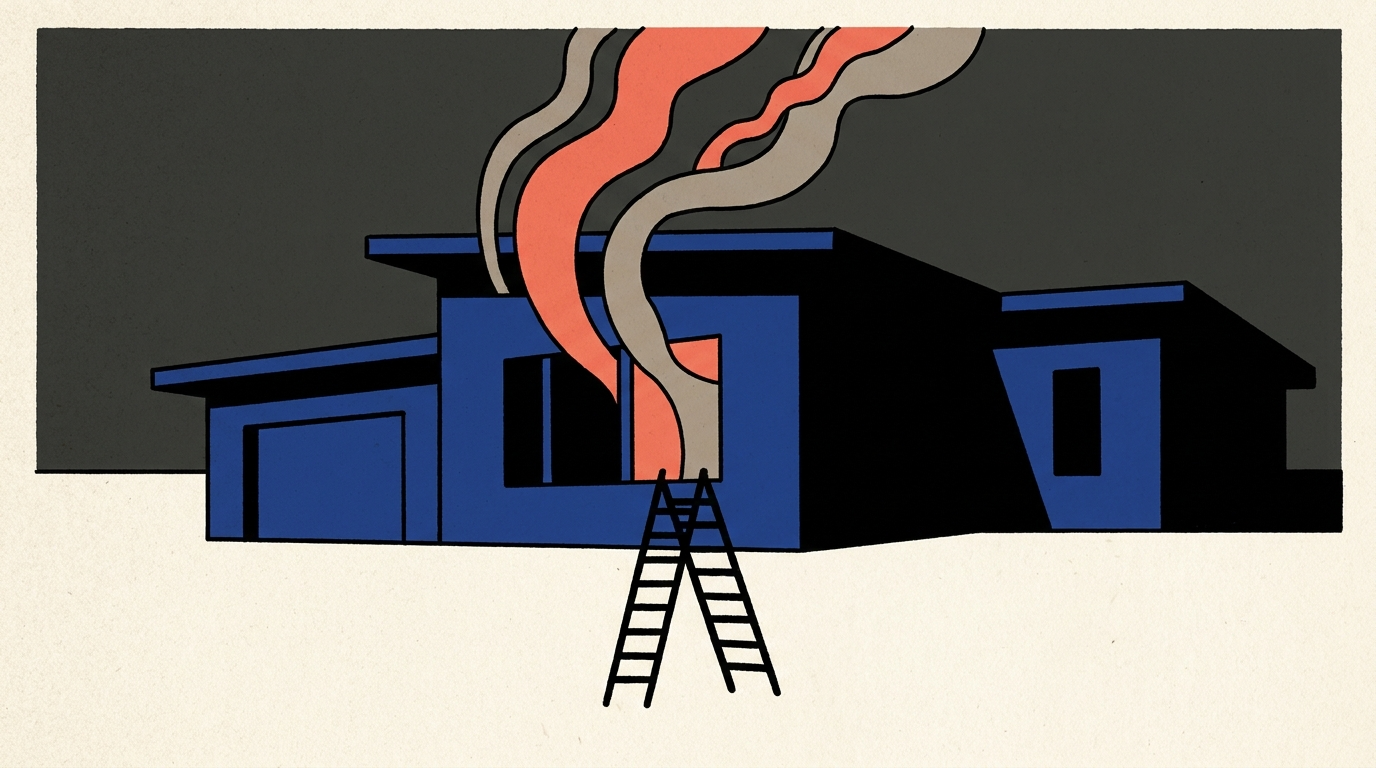
The midnight fire is the ultimate nightmare of the hospitality business. In the quiet hours before dawn, when sleep is deepest, a single spark in a wall cavity or a faulty appliance can turn a wood-frame structure into an inescapable furnace within minutes. For traditional hoteliers, this nightmare is managed through millions of dollars in hardwired safety infrastructure, municipal inspections, and strict adherence to commercial fire codes. For the short-term rental industry, however, safety has long been treated as a checkbox on a digital onboarding screen. It is a system built on trust, self-certification, and the convenient legal fiction that online marketplaces are merely neutral bulletin boards rather than active lodging providers.
That legal fiction is now facing a catastrophic collision with reality in a Wisconsin courtroom. A devastating fire in the summer of 2021, which claimed the lives of four family members at a vacation rental, has triggered a high-stakes wrongful death lawsuit against the property owners, Vrbo, and its parent company, Expedia Group. The litigation lays bare the deepest, most uncomfortable vulnerability of the short-term rental economy: when a tragedy of this magnitude occurs, the platforms will immediately retreat behind a wall of federal immunity and corporate disclaimers, leaving individual hosts and mom-and-pop property managers to face financial and legal ruin alone. This case is not just an isolated tragedy; it is a systemic warning shot for every operator who relies on platform-provided insurance and the illusion of corporate backup.
To understand the stakes of this battle, one must look past the polished marketing materials of the major booking sites and examine the cold mechanics of property law, insurance policy exclusions, and the twenty-eight-year-old internet statute that protects multi-billion-dollar tech companies from the physical consequences of their business models. The outcome of this case could reshape the liability landscape for the entire short-term rental sector, forcing a fundamental reckoning over who actually bears the cost of guest safety.
What happened
In July 2021, the Noyes family arrived at a rented vacation home in Sister Bay, Wisconsin, a popular destination in the scenic peninsula of Door County. The property had been booked through the Vrbo platform, a subsidiary of Expedia Group. In the middle of the night, a fast-moving fire swept through the residence. Four members of the family perished in the fire. The tragedy left surviving family members to navigate unimaginable grief.
The subsequent investigation into the tragedy revealed a series of critical safety failures at the property. According to court documents and local fire reports, the rental home lacked functioning, interconnected smoke detectors on the upper floor where the family was sleeping. Furthermore, the architectural layout of the property did not provide a safe, secondary means of escape from the upper bedrooms, trapping the victims as toxic smoke filled the stairwell. The local authorities determined that the fire had originated in a utility area, but the lack of early warning systems turned what should have been a survivable incident into a multi-generational tragedy.
In the wake of the fire, a comprehensive wrongful death lawsuit was filed in Wisconsin state court. The action names the individual property owners as primary defendants, but it also takes the aggressive step of naming Vrbo and Expedia Group as direct defendants. The plaintiffs argue that the platforms are not merely passive listing services, but active brokers of the hospitality transaction. The lawsuit alleges that Vrbo and Expedia Group failed in their duty of care by marketing, promoting, and collecting fees for a property that did not meet basic, fundamental safety standards. The plaintiffs contend that by holding themselves out as trusted providers of family vacation rentals, the platforms assumed a responsibility to verify that the properties they profit from are actually fit for human habitation.
The shield of Section 230
The immediate legal response from Expedia Group was swift, predictable, and entirely in line with the established playbook of the Silicon Valley tech lobby. The platform filed motions to dismiss the claims against it, pointing directly to Section 230 of the Communications Decency Act of 1996. This federal statute, originally drafted in the infancy of the World Wide Web to protect internet service providers from being sued for defamatory comments posted by users on online message boards, has grown into the ultimate shield for the gig economy and digital marketplaces.
Under Section 230, interactive computer services cannot be treated as the publisher or speaker of information provided by third-party content creators. In the context of the short-term rental industry, Vrbo and Airbnb have successfully argued for years that they are merely digital matchmakers. If a host lists a property and falsely claims that it is equipped with working smoke detectors, carbon monoxide alarms, and fire extinguishers, the platform argues that any liability for that false claim rests solely on the host. The platform, according to this argument, is just the publisher of the host's description, not the author of it, and is therefore federally immune from any lawsuit arising from the inaccuracy of the listing.
“The legal fiction that these platforms are merely digital bulletin boards is crumbling under the weight of physical-world tragedies.”
This defense has allowed the short-term rental giants to scale their businesses to millions of listings worldwide without ever having to hire a single physical inspector or verify the safety of a single bedroom. It is a highly lucrative, asset-light model that externalizes all physical risks to the individual property owners while capturing a significant percentage of every transaction. In the Wisconsin case, Expedia Group's legal team is asserting that because they did not own, manage, or physically control the Sister Bay property, they cannot be held responsible for its physical defects or the absence of working safety equipment.
Chipping away at the platform armor
The legal landscape, however, is no longer as hospitable to the tech giants as it once was. Across the United States, plaintiffs' attorneys are mounting sophisticated challenges to Section 230, arguing that the modern short-term rental platform is a far cry from the simple bulletin boards of the 1990s. Today, platforms like Vrbo and Airbnb do not just publish classified ads; they actively manage the entire transactional ecosystem. They set strict cancellation policies, control the flow of communication between guest and host, process payments, collect commissions, dictate house rules, and use proprietary algorithms to promote certain properties over others.
Several recent court rulings in other sectors of the gig economy have begun to chip away at this corporate armor. In lawsuits involving rideshare giants like Uber and Lyft, courts have increasingly ruled that platforms can be held liable for negligent hiring or failure to screen drivers, finding that their operational involvement extends far beyond mere digital publishing. In the product liability arena, courts have held e-commerce platforms like Amazon liable for defective goods sold by third-party merchants if the platform exercised significant control over the transaction, fulfillment, and payment processing.
In the Wisconsin litigation, the plaintiffs are utilizing these precise arguments to bypass the Section 230 shield. They contend that Vrbo is not being sued for the content of the listing, but rather for its negligent facilitation of a commercial transaction involving an unsafe physical space. If the court accepts this distinction, it could establish a revolutionary precedent. A ruling that denies Section 230 protection to booking platforms in cases of physical injury or death would send shockwaves through the corporate offices of Expedia Group and Airbnb, forcing them to completely rethink their hands-off approach to property safety.
The illusion of the million-dollar policy
To ease the anxieties of local governments and nervous hosts, both Vrbo and Airbnb have heavily promoted their built-in $1 million liability insurance programs. For the average mom-and-pop host, these programs are presented as a comprehensive safety net that protects them from financial ruin in the event of a guest injury. However, a close reading of the policy terms, exclusions, and legal realities reveals that this million-dollar coverage is often more of a marketing tool than a robust risk-mitigation strategy.
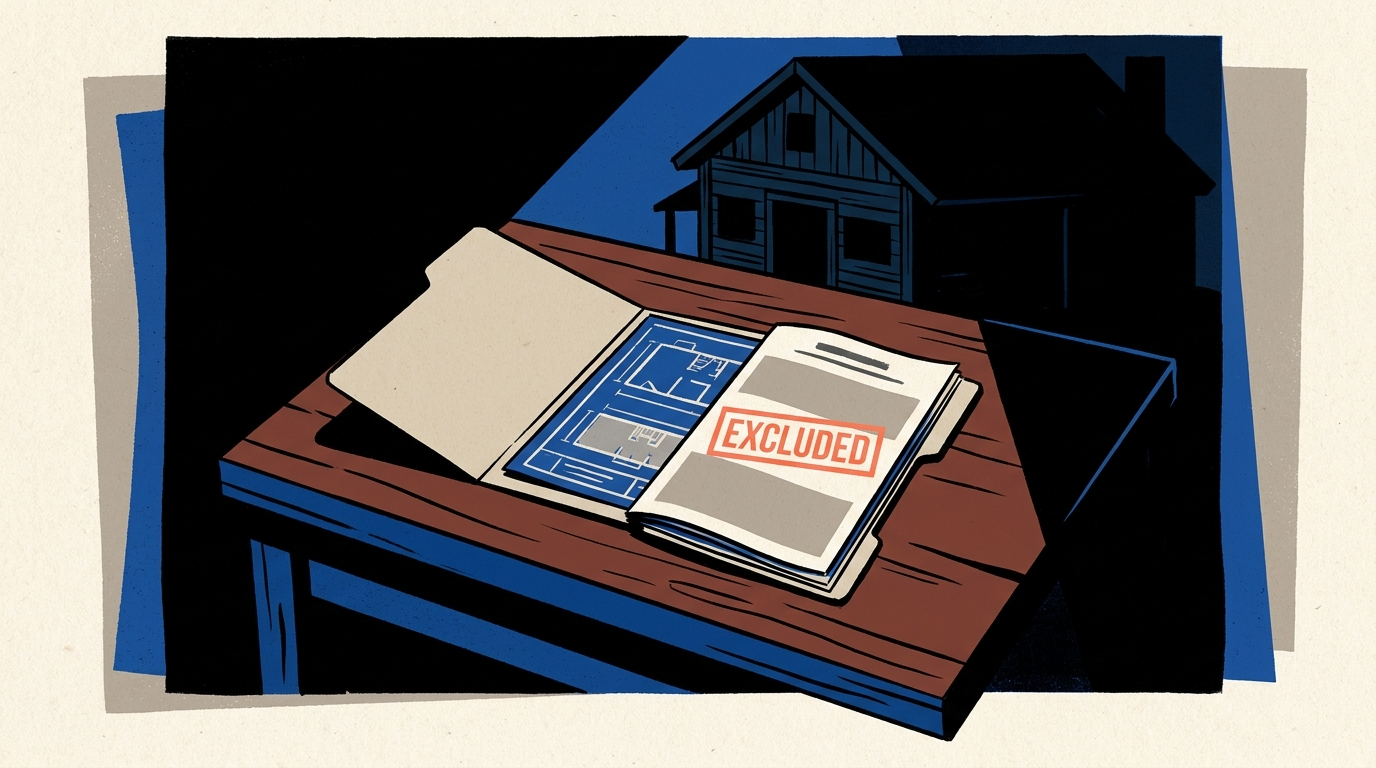
First, these platform-provided policies are commercial general liability instruments designed primarily to protect the platform's own balance sheet. The host is included as an additional insured, but the coverage is subject to a laundry list of strict exclusions. Most notably, these policies frequently exclude coverage for claims arising from intentional acts, criminal conduct, or violations of local laws and building codes. If a local municipality requires a short-term rental permit, and the host is operating without one, the insurance carrier may deny coverage entirely. If the property is found to be in violation of local fire codes, such as lacking required egress windows or hardwired smoke alarms, the carrier can issue a reservation of rights letter or outright deny the claim, leaving the host to defend themselves in court with their own money.
Second, in a catastrophic event involving multiple fatalities, a $1 million limit is woefully inadequate. In a wrongful death lawsuit involving four individuals, the potential damages for loss of consortium, pain and suffering, medical expenses, and lost future earnings can easily reach tens of millions of dollars. Once the $1 million limit of the platform's policy is exhausted, the insurance company's duty to defend the host terminates. At that point, the plaintiff's legal team will target the host's personal assets. This includes their primary residence, personal savings, investment accounts, and future wages, leading directly to personal bankruptcy and financial ruin.
The hotel standard vs. the wild west
The regulatory double standard between traditional lodging and short-term rentals is the root cause of this safety crisis. For more than a century, the hotel industry has been subjected to intense, uncompromising regulatory oversight. This oversight was born out of blood; catastrophic hotel fires in the early and mid-twentieth century forced governments to realize that commercial lodging requires commercial-grade safety standards. Today, any licensed hotel in the United States must comply with the National Fire Protection Association's Life Safety Code, which mandates hardwired, interconnected smoke detection systems, automatic commercial sprinklers, illuminated exit signs, fire-rated doors, and regular, unannounced physical inspections by local fire marshals.
Short-term rentals, by contrast, have largely bypassed these rigorous standards by operating under standard residential building codes. In the vast majority of jurisdictions, a homeowner can list a property on Vrbo or Airbnb by simply checking a box on a screen self-certifying that they have smoke alarms and fire extinguishers. There is no physical inspection, no verification of electrical systems, and no requirement for commercial-grade fire suppression systems. This regulatory gap allows platforms to scale their inventory rapidly at zero cost, but it leaves guests exposed to hazards that would never be tolerated in a licensed hotel.
The asset-light business model only works if the platforms can successfully externalize all physical risks to the individual property owners.
This regulatory gap is not just a safety hazard; it is a massive financial liability for hosts. In the event of a fire, the host cannot claim ignorance of local safety standards. In a civil lawsuit, a jury will be asked to compare the safety measures of the rental property to the standard of care expected of a professional lodging operator. If the host failed to provide the basic safety infrastructure that a reasonable guest would expect—such as working, interconnected smoke alarms and clear, unobstructed emergency exits—the host will be found negligent, regardless of whether the local municipality actively enforced those codes.
Who cashes in and who eats the loss
In the current short-term rental ecosystem, the financial incentives are heavily tilted in favor of the platforms, while the physical and legal risks are entirely borne by the hosts and the guests. When a booking is made, the platform takes its transaction fee, which is a pure, high-margin software fee. The platform incurs no maintenance costs, pays no property taxes, and bears no direct liability for the physical structure. If the property burns down, the platform loses a single listing out of millions; its corporate balance sheet is entirely unaffected.
The host, on the other hand, is the one who eats the catastrophic loss. Even if the host has a primary homeowner's insurance policy, they may find themselves completely unprotected. The vast majority of standard homeowner's insurance policies contain strict commercial activity exclusions. If a property is being used for short-term rentals without a specific commercial or short-term rental endorsement, the carrier will deny coverage for any fire damage or liability claims arising from a guest's stay. The host is then left with a destroyed property, a unpaid mortgage, and a multi-million-dollar lawsuit that they must defend out of pocket.
This economic reality is why the Noyes lawsuit is being watched so closely by the legal teams of Expedia Group and Airbnb. If the courts begin to hold platforms liable for the physical safety of their listings, the entire business model of the short-term rental industry will be forced to change. The platforms would be forced to implement rigorous physical inspection programs, verify the safety certifications of every listing, and significantly increase their insurance reserves. The cost of operating these platforms would skyrocket, and the rapid, frictionless onboarding of new listings would come to a grinding halt.
The real cost of safety compliance
For years, the short-term rental lobby has fought against local municipal regulations that mandate physical inspections and commercial-grade safety equipment. They have argued that such regulations are overly burdensome for individual homeowners, that they destroy the unique character of vacation rentals, and that they represent an unnecessary regulatory overreach. But the Wisconsin tragedy demonstrates that the real cost of safety compliance is nothing compared to the cost of non-compliance.
The cost of installing interconnected, hardwired smoke detectors, carbon monoxide alarms, and clear emergency escape ladders in a standard residential home is a few hundred dollars. The cost of obtaining a professional, commercial-grade short-term rental insurance policy from a reputable, specialized carrier is a few thousand dollars a year. Compared to the potential loss of human life, the destruction of a multi-million-dollar property, and the lifelong financial ruin of a wrongful death lawsuit, these compliance costs are a rounding error. Yet, thousands of hosts continue to operate in the regulatory shadows, relying on cheap, battery-operated smoke alarms and the hope that nothing will ever go wrong.
The reality is that as the short-term rental industry matures, the standard of care expected of hosts is rising. Juries and judges are no longer viewing vacation rentals as casual home-sharing arrangements between neighbors; they are viewing them as commercial lodging businesses that must be held to a professional standard of safety. The platforms may continue to fight in court to protect their own corporate immunity, but they will not be there to protect the individual host when the deposition starts.
What hosts should do now
The Wisconsin tragedy and the subsequent lawsuit against Vrbo and Expedia serve as a stark wake-up call for every short-term rental host and property manager. To protect your guests from harm and yourself from total financial ruin, you must take immediate, proactive steps to professionalize your safety and risk-management protocols.
- Upgrade to hardwired, interconnected smoke and carbon monoxide detectors: Do not rely on cheap, battery-operated units that can be disabled by guests or fail due to dead batteries. Install hardwired detectors that are interconnected throughout the property, ensuring that if an alarm is triggered in the basement, it sounds simultaneously in every bedroom.
- Secure a dedicated commercial short-term rental insurance policy: Immediately contact a specialized commercial insurance broker and secure a policy specifically designed for short-term rentals (such as Proper Insurance or a similar specialized carrier). Ensure your policy includes at least $2 million in commercial general liability coverage, covers host liability for wrongful death, and does not contain exclusions for local code violations.
- Conduct a professional egress audit of your property: Ensure that every sleeping room has at least two independent means of escape, such as a door and an easily openable window with an emergency escape ladder for upper floors. Never list a room as a bedroom if it does not meet strict municipal egress requirements.
- Implement a documented safety inspection checklist: Establish a rigorous safety checklist that is completed and documented by your cleaning or management staff before every single guest check-in. This checklist must verify that all smoke alarms are functioning, fire extinguishers are charged, exits are unobstructed, and first-aid kits are fully stocked. Keep these digital records archived as legal proof of your ongoing duty of care.
- Obtain and maintain all required municipal permits: Ensure your property is fully licensed and permitted in accordance with all local, county, and state regulations. Do not operate in the regulatory shadows; a lack of proper permitting is the easiest way for your primary insurance carrier to deny coverage in the event of a catastrophic claim.
The lessons of the Noyes family tragedy are clear, painful, and non-negotiable. Guest safety is not a marketing checkbox, and platform-provided insurance is not a substitute for professional risk management. By taking full ownership of your property's safety infrastructure and securing robust, commercial-grade insurance, you protect the lives of your guests and the financial future of your business. Do not wait for a local tragedy or a court ruling to force your hand; professionalize your operation today.
Checked by the standards desk (Eleanor Quist): 3 specifics were removed or attributed as unverified before publication.

Read the desk every morning.
The day's crackdowns and platform moves, the money, the design and the stays going viral, plus the desk's verdict, in one short email every morning.