The Social Arbitrage: How Small Hosts Beat Big Capital on Social Feeds
The era of listing and waiting is dead. Here is the workable playbook for seeding organic virality to fill your calendar without buying fake engagement.
The global short-term rental market is currently suffering from a brutal operational hangover. After years of unchecked supply growth—fueled by low interest rates and a pandemic-induced flight from urban centers—hosts are waking up to a stark reality: the simple act of listing a property on Airbnb or Vrbo is no longer a guarantee of a full calendar. According to recent reports from industry analytics platforms like AirDNA, active listing counts have reached historic highs in almost every major vacation rental market, while average occupancy rates have compressed from their post-pandemic peaks. In this climate of hyper-saturation, the traditional playbook of lowering rates to win the race to the bottom is a path to financial ruin.
The hosts who are surviving, and indeed thriving, are those who have figured out how to bypass the major booking platforms’ search algorithms entirely. They are driving direct traffic through organic social media virality. Yet, the average host’s approach to social media is a tragedy of wasted effort. They post low-resolution photos of empty bedrooms, buy fake followers from sketchy online agencies, or participate in circle-back comment groups that the algorithms of Meta and TikTok easily identify and penalize.
True digital virality is not a lottery, nor is it a pay-to-play scheme. It is a highly repeatable exercise in physical asset design, psychological incentive structuring, and hyper-targeted distribution. By understanding the mechanics of how modern recommendation engines distribute short-form video, any small-scale host with a single property can seed a single piece of content that fills their shoulder-season calendar, shifting their operation from a cash-burning hobby to a highly profitable business.
How it actually works
To understand how a short-term rental property goes viral, you must first discard the outdated notion that social media is about building an audience. On modern platforms like TikTok and Instagram Reels, the follow graph is largely obsolete. It has been replaced by the interest graph, powered by recommendation algorithms that evaluate every single piece of content on its individual merits, regardless of how many followers the poster has. This structural shift is the single greatest advantage a small host has over a multinational hospitality brand.
When a video is uploaded, the recommendation engine distributes it to a small test audience of perhaps a few hundred users. The algorithm then measures a series of hard engagement metrics. The most critical of these is watch time, specifically the completion rate and loop rate. If a user watches a seven-second video all the way to the end, or better yet, lets it loop a second time, the algorithm flags that content as highly engaging. The next most critical metric is the share rate and the save rate. When a user saves a video to a collection or sends it to a friend via direct message, they are signaling to the platform that the content has real-world utility or aspirational value.
If the test group's engagement metrics exceed a specific mathematical threshold, the algorithm pushes the video to a second, larger tier of users, and then a third, and eventually to the main feed of millions of people. For a short-term rental, this means a video showing a singular, captivating physical interaction can easily rack up millions of views within forty-eight hours.
Once a video achieves this scale, a small percentage of viewers will click through to the profile page. If that profile is optimized with a clear, direct-booking link and a streamlined path to purchase, a fraction of those profile visitors will check availability. In a market where a typical vacation home requires only fifteen to twenty bookings a month to achieve full occupancy, even a conversion rate of 0.01% on a million-view video can completely book out a property for the next six months. It is a pure numbers game, but the entire funnel rests on creating a piece of visual media that forces a scrolling user to freeze.
The cold math of shoulder season survival
Let us look at the cold balance sheet of a typical short-term rental. The business is defined by its high fixed costs. Whether your property is occupied by a paying guest or sits entirely dark, you must pay the mortgage interest, the property taxes, the commercial liability insurance, the monthly utility bills, the lawn maintenance fees, and the software subscription costs for your property management system and channel manager.
In a strong high season—say, July in a lakefront community—market demand is high enough that even mediocre properties can command top-dollar rates and achieve high occupancy. The high season is where hosts make their profit. The shoulder season—those transitional months of autumn and spring—is where hosts lose it all. During these months, the local tourism board stops spending advertising dollars, families return to school, and the pool of active travelers shrinks by seventy or eighty percent.
To survive the shoulder season, hosts typically slash their Average Daily Rate (ADR). But lowering your price too far is a dangerous game. It compresses your margins to the point where a single unexpected plumbing repair or a high cleaning fee can wipe out an entire month's revenue. Furthermore, deep discounting often attracts a different class of guest, one who is far more likely to cause property damage, violate noise ordinances, or leave negative reviews.
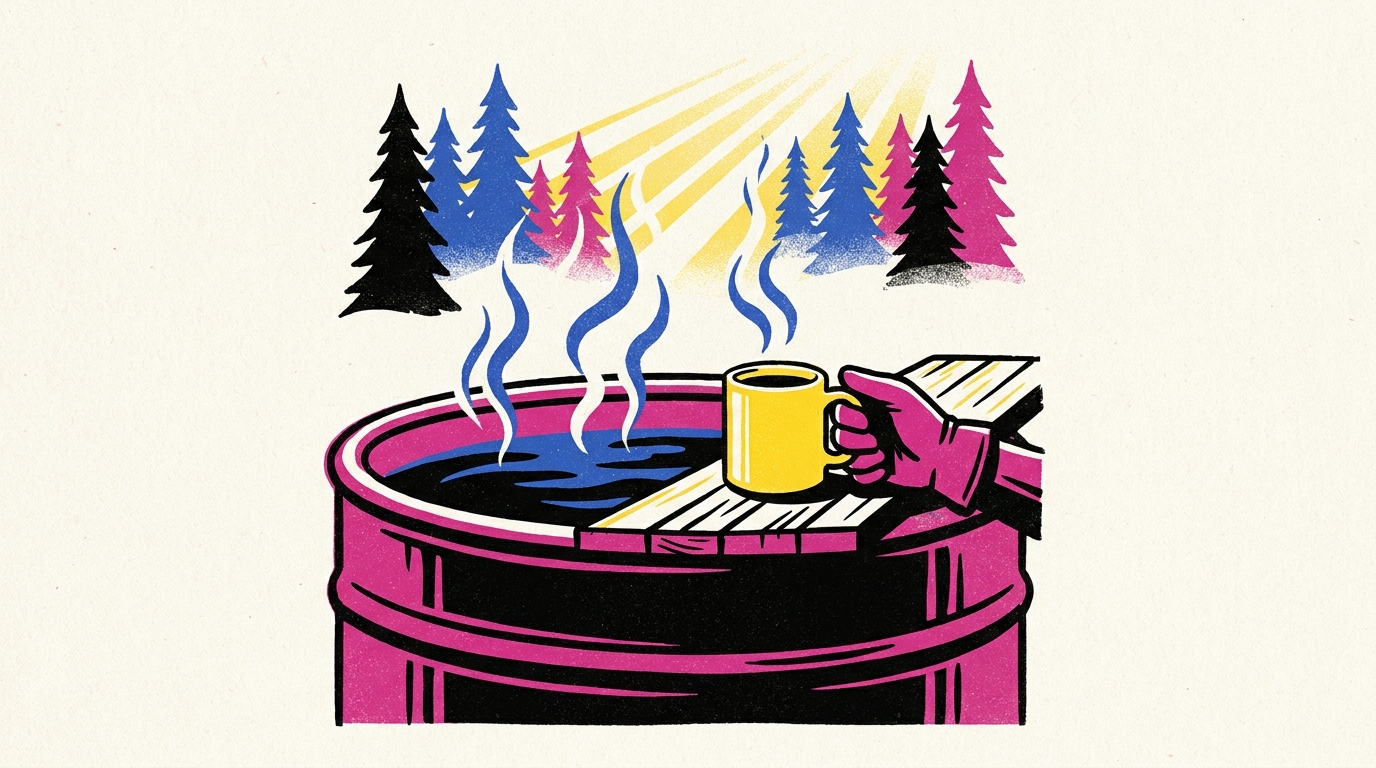
This is where organic social media marketing transforms the financial model. If you can generate direct demand during the shoulder season, you do not have to compete on price on the public travel agency sites. A viral video creates an emotional connection that bypasses the rational, price-sensitive comparison shopping that occurs on Airbnb or Vrbo. A guest who decides they must stay at your specific property because they saw a mesmerizing video of your outdoor copper tub steaming in the autumn fog is not comparing your price to the cheaper, more generic cabin down the road. They are buying the experience they saw on their screen.
By filling just five to ten additional nights during a slow month through direct, social-media-driven bookings, you can raise your Revenue Per Available Room (RevPAR) from a loss-making level to a highly profitable one. Moreover, because these bookings are direct, you avoid the standard platform guest fees, which can run as high as fourteen percent, and the host service fees, which typically sit at three percent. This preservation of margin is the difference between an asset that builds wealth and one that drains it.
The kinetic stage: designing for the lens
Most hosts make the fatal mistake of designing their properties for themselves, or worse, for a generic real estate staging catalog. They buy neutral-colored sofas, hang mass-produced prints of beach scenes, and install standard stainless-steel appliances. While this clean, inoffensive aesthetic might prevent negative reviews, it does absolutely nothing to capture attention on a fast-moving social media feed. It lacks a physical hook.
A physical hook is an element of the property that is highly visual, tactile, and immediately understandable within the first two seconds of a silent video clip. It must be something that the viewer can easily project themselves into. Consider the mechanics of the most successful short-term rental videos. They rarely show the entire house in a wide shot. Instead, they focus on a specific, high-contrast, kinetic interaction.
It could be the physical action of pulling back a heavy canvas curtain to reveal a panoramic view of a pine forest. It could be the visual contrast of dark, moody charcoal walls against a bright, roaring wood fire. It could be the geometric perfection of an A-frame window framing a snowstorm while a hot cup of tea steams on the windowsill.
To design a property for virality, you must think like a cinematographer. Identify the one area of your home that has the potential to be a visual anchor. This is not about spending tens of thousands of dollars on renovations. It is about creating a high-impact zone. Paint a single wall in a deep, unexpected color like forest green or matte black to create a striking backdrop. Install a unique light fixture that casts warm, dramatic shadows across the room. Create an outdoor bathing area with a simple stock tank pool or a vintage cast-iron clawfoot tub set against a wooden privacy screen.
The key is that this area must be functional and inviting to interact with. When guests arrive, they should feel an almost irresistible urge to pull out their phones and film themselves using it. Nobody shares a video of a clean kitchen; they share videos of experiences they want to put themselves into. You are not just selling a place to sleep; you are selling a visual stage where your guests can perform their own aspirational lifestyles for their own social circles.
The micro-creator barter protocol
If you are a host with a small following, how do you seed your first piece of viral content? You do not need to spend money on expensive digital agencies or pay thousands of dollars to celebrity influencers with millions of disengaged followers. The most effective route is the micro-creator exchange.
A micro-creator is someone with a social media following of between five thousand and fifty thousand people. They typically have highly engaged, niche audiences that trust their recommendations implicitly. More importantly, they are constantly in need of high-quality, visually interesting locations to shoot content for their own channels.
To implement this playbook, start by identifying ten to fifteen micro-creators who live within a three-hour drive of your property. This geographic proximity is crucial: these creators represent your primary drive-to market, and their followers are the exact demographic most likely to book a weekend getaway at your home. Look for creators who focus on travel, interior design, lifestyle, or outdoor adventure, and whose aesthetic style aligns with the vibe of your property.
Reach out to them with a clear, professional pitch. Do not offer money. Instead, offer a trade: a free two-night stay during your lowest-occupancy midweek days in exchange for a highly specific set of deliverables. Your pitch should outline exactly what you expect in return. A typical agreement might require the creator to produce one high-quality video post, share three stories during their stay tagging your property, and provide you with five raw, unedited video clips that you can use on your own channels.
This is a win-win transaction. The creator gets a free vacation and high-quality content for their feed, which helps them grow their own brand. You get professional-grade marketing assets and exposure to a highly targeted audience for the cost of a couple of cleaning fees and some minor utility usage. It is the cheapest and most effective advertising campaign you will ever run.
Algorithmic realities vs. synthetic shortcuts
The temptation to take shortcuts is the single greatest threat to a host's social media strategy. When a host sees their organic posts struggle to break past a few hundred views, they often turn to black-hat tactics. They buy thousands of followers from digital click farms, join engagement pods where other hosts artificially comment on their posts, or spend hundreds of dollars on poorly targeted Meta ads.
These tactics are not just ineffective; they are actively destructive. Social media platforms employ hundreds of software engineers whose sole job is to detect and penalize artificial activity. When you buy fake followers, you are filling your audience list with inactive, automated accounts. When you post a new video, the algorithm distributes it to a small sample of your followers first. If those followers are dead accounts, they will not watch, share, or save the video. The algorithm interprets this complete lack of engagement as a sign that your content is of poor quality, and it will immediately halt the distribution of your video to the broader public.
Engagement groups are equally dangerous. The algorithm is highly sophisticated; it monitors the relationship between accounts. If the same circle of twenty short-term rental hosts consistently comments on each other's posts within minutes of uploading, the platform’s security systems flag this pattern as artificial manipulation. The account is shadowbanned, meaning its content is suppressed from appearing on discovery feeds like the Instagram Explore page or the TikTok For You page.
The modern recommendation engine does not care about your follower count. It is entirely focused on user retention. A brand-new account with zero followers can upload a video that gets three million views if that video holds a user's attention for the first three seconds and encourages them to watch until the end. Stop trying to trick the machine. Focus instead on creating raw, authentic, high-contrast video footage that appeals to human curiosity and aspiration.
Frictionless funnels: converting attention to cash
Virality without conversion is merely an expensive form of entertainment. If your video gets millions of views but your booking calendar remains empty, your marketing funnel has failed. The gap between a viral view and a completed booking is where most hosts lose their hard-earned momentum.
To convert passive viewers into high-paying guests, you must build a frictionless pathway. This starts with your social media profile page. Your bio must be laser-focused, stating your exact location and the primary appeal of your property. Do not clutter it with inspirational quotes or links to your personal blog. Use a single, clean link-in-bio tool like Linktree or Lnk.Bio, or better yet, a direct link to your own direct-booking website.
Your landing page must be optimized for mobile devices, as over ninety percent of social media traffic is viewed on phones. It should load in under two seconds. The search bar where guests enter their travel dates must be prominent and easy to use. If a guest must navigate through multiple pages, read endless paragraphs of house rules, or fill out a long contact form just to see a price, they will close the tab and return to their social media feed.
Furthermore, your pricing and policies must align with the expectations of an impulse buyer. If a viral visitor is inspired to book a weekend trip, but your property management system is configured with a four-night minimum stay during the shoulder season, you are turning away paying customers. Reduce your minimum stay requirements to two nights for off-peak periods, ensure your cleaning fees are reasonable and transparent, and integrate a modern payment processor like Stripe that supports Apple Pay and credit card transactions. The fewer steps there are between the initial click and the confirmation screen, the higher your conversion rate will be.
Operational shock and the regulatory spotlight
A sudden wave of viral success brings immediate operational pressure that can break an unprepared short-term rental business. When a post catches fire, your messaging inbox will be flooded with hundreds of notifications. You will receive inquiries from travelers, questions from local looke-loos, and a barrage of requests from other influencers seeking free accommodation.
To survive this influx, you must have automated systems in place before your content goes live. Use a property management system like Hospitable or Guesty to set up automated messaging flows that handle common inquiries instantly. These tools can automatically respond to questions about parking, check-in times, pet policies, and availability, keeping your response rate high without requiring you to sit at your phone twenty-four hours a day.
You must also prepare your physical operations. A fully booked shoulder-season calendar means back-to-back stays, leaving your cleaning crew with a narrow four-hour window to reset the home. If your property is large or has complex amenities like hot tubs, outdoor fire pits, or extensive laundry needs, a single cleaning delay can disrupt the entire schedule, leading to late check-ins and poor guest reviews. Coordinate with your team in advance, establish clear checklists, and pay your cleaners a premium rate to ensure reliability during high-pressure periods.
Finally, beware of the regulatory spotlight. In many highly regulated markets—such as coastal cities, historic mountain towns, or areas governed by strict homeowners associations (HOAs)—a sudden spike in public attention can draw the scrutiny of local code enforcement officers. Ensure your property is fully permitted, your transient occupancy taxes are paid up to date, and your guest screening protocols are robust. Install external noise monitors like Minut or NoiseAware to prevent rowdy behavior before it disturbs your neighbors. Virality is a powerful tool, but it must be backed by institutional-grade operational discipline to prevent your success from becoming your undoing.
The psychology of the save button
To design social media content that performs well, you must understand the psychology of the user on the other side of the screen. Why does someone press the save button? The save button is the ultimate algorithmic signal of intent. When a user saves a post, they are not just showing passive enjoyment; they are creating a digital bookmark for their future self. They are saying, “I want to go here,” or “I want my life to look like this.”
This psychological mechanism is rooted in identity and aspiration. Users curate their saved folders as a reflection of their ideal lifestyles. Therefore, your video content must not look like an advertisement. It must look like a lived experience. Avoid cold, clinical shots of empty rooms. Instead, capture human, tactile moments that feel organic and real. Show a hand pouring freshly brewed coffee into a ceramic mug as steam rises against a dark wood background. Show a pair of feet walking down a stone path toward an outdoor sauna in the early morning light.
These videos should contain no talking, no sales pitches, and no corporate branding. The audio should consist of high-quality ambient sounds—the crackle of a campfire, the rustle of wind through the trees, the sound of rain hitting a tin roof—paired with a trending, atmospheric music track. By stripping away the commercial markers, you allow the viewer to project themselves into the frame. They do not feel like they are being sold a rental; they feel like they are discovering a peaceful moment that they desperately want to experience in person. This emotional resonance is what drives high save rates, pushing your content deep into the algorithmic loop.
The long-term lifecycle of viral assets
The impact of a viral post does not end when the initial wave of views subsides. A single successful piece of content can be repurposed, repackaged, and distributed across multiple platforms to create a sustained marketing engine that drives bookings for months.
When you have a video that performs exceptionally well on Instagram Reels, do not let it sit in isolation. Upload the exact same asset to TikTok, YouTube Shorts, and Pinterest Idea Pins. Each of these platforms has its own unique user base and recommendation algorithm. A video that receives moderate views on Instagram might find a massive, highly engaged audience on TikTok, or drive long-term search traffic on Pinterest.
Furthermore, the raw high-resolution assets generated by your micro-creator partnerships are valuable intellectual property. You can use these photos and video clips to replace the sterile, professional listing photos on your OTA profiles. Dynamic, action-oriented photos—such as a guest reading a book by a large bay window or preparing a meal in a beautifully lit kitchen—often perform better on Airbnb and Vrbo search results than empty, wide-angle real estate photography. They help your listing stand out in a sea of generic thumbnails, improving your click-through rate and organic platform search rankings.
By building a library of high-performing visual assets, you create a self-sustaining marketing loop. The content drives direct bookings, which increases your revenue and cash flow, allowing you to invest in further property improvements, which in turn provides more visually compelling material for future campaigns. It is a compounding cycle that moves your short-term rental business away from complete reliance on third-party platforms and puts control of your revenue pipeline firmly back in your hands.
Nobody shares a video of a clean kitchen; they share videos of experiences they want to put themselves into.
What hosts should do now
To transition your property from a stagnant online listing to a self-marketing viral asset, you must take immediate, structured steps to redesign your physical space and your digital funnel.
- Identify your kinetic hook: Audit your property to find or create one high-impact, tactile area that guests can easily record, such as an outdoor stock tank pool, a moody accent wall, or a unique fireplace setup.
- Source five local micro-creators: Research and contact five content creators within a three-hour drive who have five thousand to fifty thousand highly engaged followers, offering a free midweek stay in exchange for specific video deliverables.
- Streamline your direct-booking funnel: Ensure your social media profile links directly to a fast, mobile-friendly landing page with a direct-booking engine, and reduce off-season minimum stay requirements to two nights.
- Automate your messaging and operations: Implement a property management system to handle the sudden volume of guest inquiries and operational demands that follow a spike in social media traffic.
- Repurpose your high-performing assets: Distribute your successful short-form videos across Instagram Reels, TikTok, and Pinterest, and update your listing platform thumbnails with high-engagement action shots.
By shifting your focus from artificial shortcuts to authentic, highly visual experiences, you can transform your property into a self-sustaining marketing engine that keeps your calendar full throughout the entire year.
Checked by the standards desk (Eleanor Quist): every specific in this story was traced to its source material before publication.
About this piece
An original expert-analysis column by the Stay Gazette desk. Figures are illustrative of how the market behaves; confirm specifics for your own market before you act.




Read the desk every morning.
The day's crackdowns and platform moves, the money, the design and the stays going viral, plus the desk's verdict, in one short email every morning.