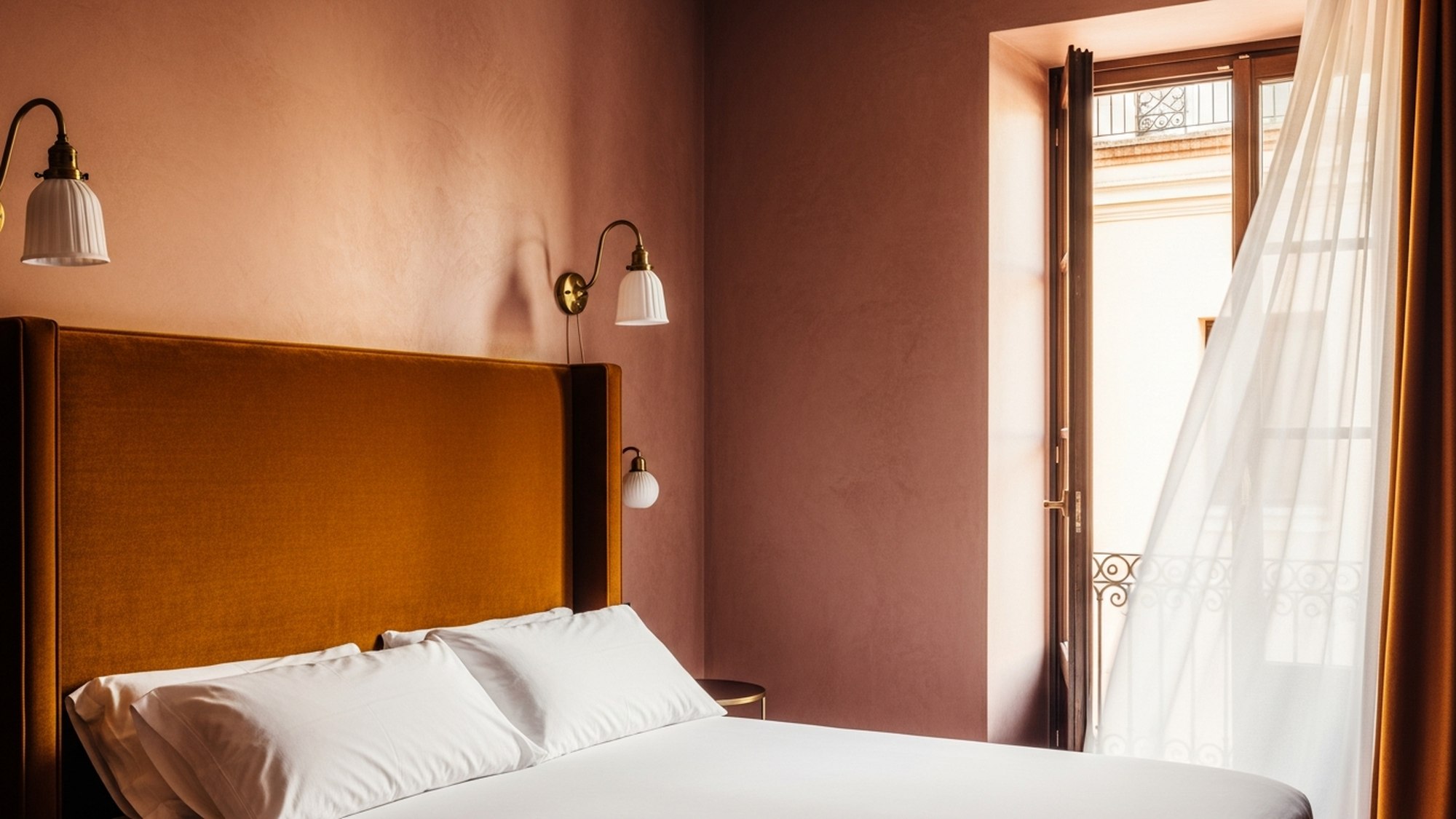
Your Listing Photos Are Killing Your Revenue. Here's How to Fix It.
In the brutal fight for bookings, amateur photos scream 'amateur host' to guests. Stop leaving money on the table. We break down the visual strategy top hosts use to dominate search and boost their bottom line.
Open up any major short-term rental platform, hit search, and start scrolling. What do you see? A relentless, pixelated warzone. Each listing is fighting for a fraction of a second of a guest's attention, a fleeting glance that decides whether they click through or scroll past. And for far too many hosts, that battle is lost before it even begins, thanks to a gallery of images that do more to repel than to convert.
This isn't just about pretty pictures. This is about cold, hard cash. It's about occupancy rates that languish in the low single digits, average daily rates that scrape the bottom, and ultimately, about properties that fail to deliver on their investment potential. Your photos aren't just selling a place to stay; they are selling a dream, an experience, a memory. And if your dream looks like it was captured on a potato in the dark, guests are going to swipe right past your perfectly good unit and straight into the arms of a competitor who understood the assignment.
The visual language of short-term rentals is a high-stakes game. Platforms have conditioned guests to expect a certain level of polish, a professional sheen that signals quality, trustworthiness, and a host who takes their business seriously. Anything less reads as 'cheap,' 'risky,' or worse, 'unclean.' You might think your phone camera is good enough, but in a market where every basis point of occupancy and ADR is fought for, 'good enough' is often the fastest route to 'empty.' It’s time to stop making excuses and start making money.
The Brutal Truth of the Search Page
Think about how a guest shops for an STR. They open Airbnb or Vrbo, punch in a destination and dates, and then they're hit with a grid. Thousands of options, often. What's the first filter? Price, sure, but after that, it's entirely visual. The human brain processes images exponentially faster than text. Your listing title, your clever description, your perfectly calculated pricing strategy — none of it matters if the initial visual hook doesn't land. The main photo, the 'hero shot,' is a gatekeeper. If it doesn't compel a click, the rest of your meticulously crafted listing is functionally invisible.
Platforms like Airbnb and Vrbo are essentially visual marketplaces. They thrive on engagement. A listing that gets clicked, saved, and eventually booked, signals to their algorithms that it's a quality option. This, in turn, can improve its ranking in search results, creating a virtuous cycle. Conversely, listings with low click-through rates, even if priced competitively, can be deprioritized. It's not a conspiracy; it's just how the digital economy works. The platform wants to show guests what they're most likely to book, and visual appeal is a massive component of that prediction.
Competition is fierce, especially in desirable markets. In places like Miami Beach, Nashville, or a mountain resort town in Colorado, the sheer volume of available STRs means hosts are constantly vying for limited guest dollars. A quick scroll through any popular destination reveals a stark divide: listings with vibrant, well-composed, professionally lit images often dominate the top results, while those with dim, blurry, or poorly framed shots are relegated to the digital Siberia of page five or six. It's not enough to just 'have' photos; you need photos that compel action, photos that stand out in a crowded field of visual noise. This isn't just about aesthetics; it's about market share.
Amateur Hour Costs You Real Money
Let's talk about the specific visual mistakes that scream 'amateur' and drain your bank account. These aren't minor quibbles; these are fundamental errors that directly impact your perceived value and, by extension, your bottom line. The biggest offender is poor lighting. A dark room looks small, dingy, and uninviting. It hides details, obscures cleanliness, and makes even a well-appointed space appear depressing. Guests aren't looking for a cave; they're looking for a bright, airy escape. Investing in a professional photographer means investing in someone who understands how to manipulate natural and artificial light to make your space shine, often bringing their own lighting equipment to achieve this.
Another common blunder: clutter and personal items. Nothing says 'unprofessional' faster than a host's toothbrush on the bathroom counter, a pile of mail on the kitchen island, or family photos on the bedside table. Guests want to imagine themselves in the space, not feel like they're invading someone else's home. Your listing needs to be depersonalized and immaculate. Every item in the shot should contribute to the narrative of a clean, well-managed, dedicated guest space. This extends to visible wires, overflowing trash cans, or stray shoes. These small details aggregate into a larger perception of a host who cuts corners, and guests will mentally discount your property.
Poor composition and awkward angles also signal a lack of care. Wide-angle lenses used incorrectly can distort rooms, making them appear cavernous and sterile, or conversely, cramped. Shots taken from too high or too low, or at strange angles, are jarring. What a professional photographer does is use specific lenses and techniques to make rooms look inviting and spacious, but still realistic. They frame shots to highlight architectural features, natural light, and the flow of the space, guiding the guest's eye through a visual tour that feels natural and appealing. Amateur hosts often just point and shoot, resulting in choppy, uncoordinated visual storytelling.
The financial impact of these mistakes is quantifiable. Poor photos lead to lower occupancy. When guests have hundreds of options, they pick the visually superior one, even if it's slightly more expensive. This means your property sits empty more often. Lower occupancy forces hosts to drop their average daily rate (ADR) to attract bookings, further eroding profitability. This double whammy directly hits your RevPAR (Revenue Per Available Room), the industry's key performance indicator. If your RevPAR is lagging, look at your photos. It's often the lowest-hanging fruit for improvement.
The Psychology of the Click: What Guests Actually See
A guest isn't just looking at a bed or a kitchen; they're looking for trust, reliability, and an escape from their daily lives. The visual cues in your listing photos are powerful psychological triggers. A bright, clean, well-organized space communicates competence and care. It suggests that if the host put this much effort into the presentation, they'll likely put the same effort into cleanliness, maintenance, and guest communication. Conversely, blurry photos, dark rooms, or visible signs of wear and tear plant seeds of doubt. Guests subconsciously wonder: if the photos are this bad, what's the actual place like? Is it clean? Is it safe? Is it accurately represented?
Managing expectations is another critical function of quality photography. The goal isn't to deceive, but to showcase your property in its best, most honest light. High-quality photos, especially those that provide a comprehensive visual tour, help guests form an accurate mental picture of the space. This reduces the likelihood of disappointment upon arrival, which is a common cause of negative reviews. A professional photographer understands how to capture the true scale and feel of a room without resorting to misleading wide-angle distortion, which can lead to complaints about a space being smaller than it appeared.
Moreover, photos contribute heavily to the 'story' of your property. Every STR has a unique selling proposition, whether it's proximity to a beach, a unique architectural style, a specific amenity like a hot tub, or a curated local experience. Your photos are the primary medium for communicating this story. If you're a mountain cabin, your photos should evoke warmth, coziness, and natural beauty. If you're a city apartment, they should convey urban chic, convenience, and modern comfort. The visual narrative needs to be cohesive and compelling, drawing the guest into the imagined experience. Amateur photography often fails here, presenting a disjointed collection of snapshots rather than a curated journey.
Beyond the Snapshot: The Power of Professionalism
So, what exactly does a professional photographer bring to the table that your iPhone doesn't? It's not just about a better camera; it's about expertise, equipment, and an understanding of visual marketing specifically tailored for real estate and hospitality. A pro understands composition, lighting, and staging. They know how to make a small bathroom look functional and clean, or a large living room feel inviting rather than empty. They use specialized lenses to capture rooms without distortion, and they often bring external lighting to ensure every corner is bright and inviting, regardless of natural light conditions.
Post-processing is another crucial step where amateurs fall short. Professional photographers don't just take pictures; they edit them. This involves color correction, exposure adjustment, sharpening, and often compositing multiple exposures to achieve a perfectly lit image (known as HDR photography). This isn't about 'photoshopping' to misrepresent; it's about enhancing the natural beauty of a space, making colors pop, and ensuring shadows don't swallow details. The result is a gallery of images that are consistent in quality, tone, and style, creating a cohesive and polished look that builds confidence in potential guests.
The return on investment (ROI) for professional photography is often immediate and substantial. While the upfront cost can range from a few hundred dollars to over a thousand depending on market and property size, consider the alternative: weeks of lost bookings, lower ADRs, and the constant pressure to drop prices. A single additional booking at your target rate, or a small increase in your ADR over a few months, can easily cover the cost. Over the lifespan of your listing, professional photos will pay for themselves many times over by attracting more bookings, at better rates, and from more satisfied guests. It's a foundational business expense, not a luxury.
Your listing photos aren't just selling a place to stay; they are selling a dream, an experience, a memory. And if your dream looks like it was captured on a potato in the dark, guests are going to swipe right past your perfectly good unit.
The Hero Shot and the Art of the Photo Walkthrough
The single most important image in your entire listing is your primary photo, the 'hero shot.' This is the image that appears in search results and dictates whether a guest even considers clicking on your property. It needs to be your absolute best, most compelling, most representative shot. For many properties, this will be the living room, often showing a comfortable seating area, good natural light, and a glimpse of a desirable feature like a view or a fireplace. For a beach house, it might be an exterior shot showcasing the ocean proximity. For a cabin, perhaps a cozy interior with a rustic feel. The hero shot sets the tone and expectation for the entire property; get it wrong, and you've lost the battle.
Beyond the hero shot, the order of your photos tells a story, guiding the guest through the space virtually. Think of it as a guided tour. A common and highly effective sequence follows a logical flow that mimics walking through the property: Start with the main living area, move to the kitchen and dining area, then progress to the primary bedroom, followed by other bedrooms, then bathrooms. After interior spaces, showcase any outdoor areas (patio, deck, yard, pool) and then highlight key amenities (gym, communal spaces, unique features). Finish with detail shots or a local area photo if relevant.
Here's a standard, highly effective photo order:
- 1. The Hero Shot: Main living area or most appealing feature.
- 2. Main Living Area (alternate angle): Show more of the space and flow.
- 3. Kitchen: Clean, well-equipped, showing counter space and appliances.
- 4. Dining Area: Connects to kitchen or living, showing seating.
- 5. Primary Bedroom: Inviting bed, space, light.
- 6. Primary Bathroom: Spotless, well-lit.
- 7. Second Bedroom: If applicable, similar quality to primary.
- 8. Other Bedrooms: All sleeping areas should be shown.
- 9. Additional Bathrooms: All bathrooms must be visible.
- 10. Outdoor Space: Patio, deck, yard, pool, hot tub.
- 11. Unique Amenities: Fire pit, game room, gym access, unique decor.
- 12. Exterior Shot: If curb appeal is strong.
- 13. Neighborhood/View Shot: If a selling point.
The key is to show every single room and important area. Guests hate surprises. If you don't show a room, they will assume the worst – that it's small, dingy, or not available. Transparency builds trust, and a full visual walkthrough is paramount to converting curious browsers into confident bookers. Skipping a bathroom or a secondary bedroom is a rookie mistake that can cost you a booking, or worse, lead to a negative review.
Details, Amenities, and the Story Your Photos Tell
Beyond the major rooms, the details in your photos are what truly differentiate your listing and justify your pricing. These are the thoughtful touches that elevate an average stay into a memorable experience. Think about a beautifully arranged coffee station with a quality machine, a selection of local beans, and attractive mugs. A professional shot of this detail communicates care and hospitality. Similarly, a well-stocked bookshelf with interesting titles, a curated selection of board games, or a welcome basket with local treats, all deserve their own, well-composed detail shots.
Amenities are often the deciding factor for guests. If you have a dedicated workspace, a smart TV setup, a high-chair for families, or a dog bowl for pet-friendly units, these need to be visually highlighted. Don't just list 'washer and dryer' in your amenities; show a clean, functional laundry area. If you offer beach towels, show them neatly stacked. These tangible visuals reinforce the value proposition of your listing and help guests visualize their stay, confirming that you've thought of everything they might need. This is particularly important for justifying cleaning fees; if guests see a highly maintained, well-equipped property, a higher cleaning fee feels more reasonable than if the photos suggest a basic, unkempt space.
Capturing the 'vibe' of your location is another powerful use of photography. If your STR is in a historic district, show a glimpse of the charming street scene from a window. If it's a ski-in/ski-out condo, a photo of the slopes just outside your door is invaluable. These contextual shots sell the destination as much as the property itself. A professional photographer will understand how to integrate these elements without making the listing feel like a generic travel brochure. The goal is to provide a holistic visual experience that seamlessly blends the property with its unique surroundings.
Maintaining the Visual Edge: Updates and Consistency
Your listing photos aren't a 'set it and forget it' asset. Properties evolve, seasons change, and decor gets updated. Outdated photos can be just as detrimental as poor-quality ones. If you've renovated a bathroom, added new furniture, or significantly upgraded an amenity, you absolutely need to update your photo gallery. Guests will feel misled if they arrive to find a different (and often inferior) setup than what was pictured. This leads directly to negative reviews and can even result in platform penalties or refund requests for misrepresentation.
Seasonal photography can also be a powerful tool, especially for properties in destinations that see distinct changes throughout the year. A mountain cabin looks entirely different blanketed in snow than it does surrounded by vibrant autumn foliage or lush summer greens. Having a separate set of seasonal hero shots and a few supporting images can maximize appeal year-round. While not every host needs a full reshoot every season, a critical update to the main photo to reflect the current season can significantly improve conversion rates as it aligns with the guest's immediate travel context.
Consistency in editing and style across all your images is vital. A professional photographer will ensure that all photos have a uniform look, feel, and color balance. This creates a cohesive and polished gallery. When guests scroll through your listing, they shouldn't encounter jarring shifts in lighting, color temperature, or photographic style from one image to the next. Inconsistent photos suggest a patchwork effort, which can subconsciously erode trust and make your listing appear less professional. Think of it like a brand: every visual element should reinforce a consistent message of quality and attention to detail. This level of consistency is almost impossible to achieve without professional equipment and post-processing expertise.
The bottom line for hosts
Your listing photos are not a mere accessory; they are the engine of your short-term rental business. In a visually driven market, they are the single most impactful factor determining whether a guest clicks, books, and ultimately, leaves a positive review. The amateur mistakes — poor lighting, clutter, awkward angles, and inconsistent quality — are not just aesthetic flaws; they are revenue killers, directly impacting your occupancy rates and average daily rates.
The solution is clear and non-negotiable: invest in professional photography. A skilled real estate photographer brings the technical expertise, equipment, and post-processing capabilities to present your property in its absolute best light. They understand the psychology of the guest, how to tell a visual story, and how to create images that convert. Start with a compelling hero shot, arrange your photos in a logical walkthrough sequence, and ensure every important space and amenity is showcased with clarity and care. Don't forget to update your photos as your property evolves or to reflect seasonal changes. The upfront cost of professional photos is a small price to pay compared to the ongoing losses from an underperforming listing. This is not about being fancy; it's about being profitable. Stop leaving money on the table. Elevate your visuals, and you will elevate your business.
About this piece
An original expert-analysis column by the STR NEWS desk. Figures are illustrative of how the market behaves; confirm specifics for your own market before you act.

Related from the desk

Read the desk every morning.
The day's crackdowns and platform moves, the money, the design and the stays going viral, plus the desk's verdict, in one short email every morning.